Essential Accounting Tools Every Property Management Company Needs
Property management companies handle complex finances that go far beyond collecting rent. From tracking multi-property income and expenses to preparing detailed owner reports and tax documents, the financial side of real estate management is complex. Relying on basic spreadsheets or manual methods is time-consuming and prone to error. Yet many in the industry still do. […]
Property management companies handle complex finances that go far beyond collecting rent. From tracking multi-property income and expenses to preparing detailed owner reports and tax documents, the financial side of real estate management is complex. Relying on basic spreadsheets or manual methods is time-consuming and prone to error. Yet many in the industry still do. To stay efficient, accurate, and compliant, modern property managers are turning to specialized property management accounting tools that streamline every aspect of financial management. These tools help organize rent payments, automate expense tracking, simplify tax preparation, and ultimately answer the question of how to manage property finances efficiently. In this comprehensive guide, we’ll explore the essential landlord accounting tools and software features every property management company needs to succeed.

How to Manage Property Finances Efficiently
Strong financial systems are essential for keeping a property management business stable, scalable, and profitable. As portfolios grow, informal methods quickly become liabilities rather than solutions. The following strategies outline practical ways property managers can modernize financial operations:
- Replace Manual Tracking With Integrated Systems: Managing rent and expenses by hand creates unnecessary friction as transaction volume increases. Manual data entry introduces errors, delays reporting, and makes reconciliation difficult across multiple properties.
- Centralize Financial Data for Real-Time Visibility: Scattered spreadsheets and disconnected bank accounts limit awareness of financial performance. Centralized platforms pull transactions, balances, and reports into a single dashboard that updates continuously. Real-time visibility allows managers to identify late payments, overspending, or declining margins early. With current data always available, financial decisions become proactive rather than reactive. Centralization also simplifies collaboration, ensuring team members and stakeholders work from consistent, up-to-date information instead of outdated reports.
- Standardize Expense Categorization and Documentation: Inconsistent expense tracking makes budgets unreliable and tax preparation difficult. Establishing standardized categories ensures every transaction is classified correctly from the start. Digital receipt capture and attached documentation create audit-ready records without paper storage. Clear categorization improves reporting accuracy and reveals spending patterns that might otherwise go unnoticed. Over time, this structure helps managers compare properties objectively, identify inefficiencies, and support compliance without scrambling to reconstruct records months later.
- Use Alerts and Controls to Prevent Financial Slippage: Even well-organized systems need safeguards to catch issues early. Automated alerts for late rent, unusual expenses, or budget thresholds provide immediate signals when something requires attention. These controls prevent small problems from becoming costly ones. Instead of reviewing reports after the fact, managers can intervene in real time. Built-in checks also reduce reliance on memory or manual reviews, creating a more resilient financial operation that performs consistently under pressure
Robust rental property accounting software also provides checks and balances. Enforcing double-entry accounting rules that catch errors before they snowball. In short, the key to managing property finances efficiently is leveraging technology designed for the complexities of real estate accounting.
The Foundation: Accounting Software for Landlords and Property Managers
At the heart of your financial toolkit is property management accounting software. This is a specialized accounting system designed for rental properties. Unlike generic small-business accounting programs, these platforms understand the unique needs of landlords and property managers. Landlord accounting software is a digital tool built specifically to help landlords organize and streamline all processes related to rental finances and taxes. The software is equipped to handle multiple properties, each treated as its own mini-business with income, expenses, and reporting tracked per unit or building.
The property management and accounting software will offer several core capabilities out of the box. First, it should support multi-property bookkeeping, allowing you to track finances for each property separately while still rolling up totals for a portfolio-wide view. This ensures you can see the profitability of each building or unit at a glance. The software should also maintain a full general ledger with double-entry accounting. Double-entry accounting is the gold standard for accuracy and is crucial for producing balanced financial statements. A system with a true general ledger lets you generate accurate balance sheets, income statements, and cash flow reports.
Another essential feature is trust accounting functionality. If you manage properties on behalf of owners or hold tenant security deposits, many jurisdictions require these funds to be kept in separate trust accounts. Purpose-built property management systems include trust accounting modules that maintain separate ledgers for client funds and ensure compliance with state regulations by preventing commingling. In other words, the software will help you segregate tenant and owner monies from your operating funds, with clear records of whose money is where at all times. This protects your clients and keeps you compliant. Modern property management accounting platforms should also integrate with your bank and payment systems. Bank feed integration allows the software to automatically import and categorize transactions from your business bank accounts and credit cards. For example, if a tenant pays rent via ACH deposit, the system can record the income and even match it to the correct property and tenant ledger without manual input. Automated bank syncing not only saves time but also improves accuracy by eliminating typos and missed entries.

To choose the best accounting software for rental properties, prioritize solutions that include robust reporting and analytics features as well. Professional property managers need to produce reports like rent rolls, accounts receivable aging, and expense reports broken down by category and property. The software should generate these with a few clicks. The best accounting software for landlords even allows scheduling of reports or on-demand access through an owner portal, so your clients can view their property financials 24/7. Advanced platforms may also offer dashboards that visualize key metrics, giving you actionable insights at a glance.
Ensure the software is scalable and user-friendly. If you are a small landlord with just a handful of units, the best property management software for small landlords will be one that is easy to set up and doesn’t overwhelm you with unnecessary features. It should cover all the basics with an intuitive interface. As your portfolio grows, the software should be able to keep pace, handling dozens or hundreds of units without sacrificing performance. Cloud-based solutions are ideal here, as they often charge by number of units and can scale seamlessly while allowing access from anywhere. In summary, a dedicated accounting platform is the foundation of efficient property financial management.
Online Rent Collection and Income Tracking
Timely rent collection is the lifeblood of a property management company’s cash flow. Traditional methods like collecting paper checks or cash can be slow and insecure. That’s why an accounting tools for property managers toolkit isn’t complete without an online rent collection system. These tools allow tenants to pay rent electronically, and they automatically record each payment in your accounting system. Whether as a feature of your main software or a standalone service, online rent collection brings efficiency and transparency to the income side of your business.
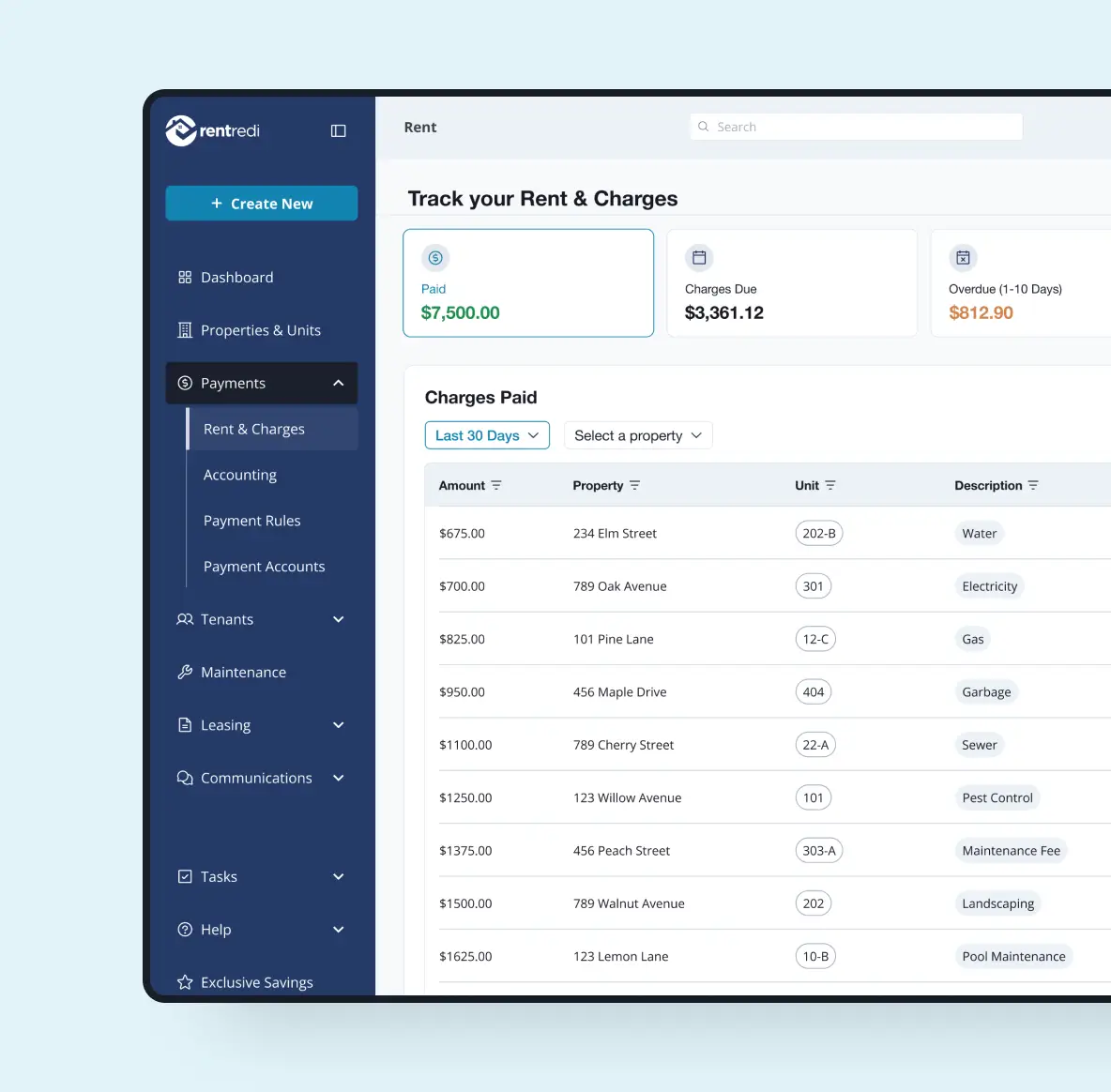
A good rent collection tool provides tenants multiple convenient ways to pay: ACH bank transfers, credit/debit cards, and sometimes even integrations for cash payments via retail locations. Tenants can often schedule recurring payments or set up autopay, ensuring you receive rent on time consistently. For property managers, this means no more trips to the bank to deposit checks and no more wondering which tenants have paid. You can see all incoming payments in real time on your dashboard. Real estate accounting software systems often send automated rent reminders and late notices as well, reducing the need to chase down tenants manually.
When evaluating the best software for landlords in terms of rent collection, look for tools that integrate directly with your accounting platform. Integration means that when a tenant pays online, the system automatically updates the tenant’s balance, marks the rent as paid for that unit, and posts the income to the correct property’s ledger, without you lifting a finger. Some all-in-one property management systems, like RentRedi, include built-in rent collection modules that tie into their accounting backend. In other cases, you might use a dedicated rent payment app that can export or sync data to your accounting software. Either approach is fine as long as you don’t end up re-entering data. The goal is a seamless flow from tenant payment to accounting records.
Streamlined Property Expense Tracking and Payables Management
Every property management company needs an efficient way to track expenses and pay the bills. From maintenance invoices and utility payments to property taxes, insurance premiums, and staff payroll, the outflows can be numerous and need careful recordkeeping. Property expense tracking tools help you log and monitor all expenses related to each property, ensuring nothing falls through the cracks. This is crucial not only for understanding your profitability but also for claiming deductions at tax time and providing accurate reports to property owners.
A good landlord accounting software or expense tool will allow you to categorize expenses by type and by property. This way, you can see exactly what each property is costing you to operate and identify any trends. It should also track vendor information, so you know who you paid, when, and for what service, useful for everything from budgeting to verifying contractor work. Setting up a standard chart of accounts is recommended, possibly using an industry template such as the NARPM standard chart of accounts for property management. This ensures consistency in how transactions are recorded.
Financial Reporting and Performance Analysis
Recording transactions is only half of the battle – the other half is analyzing that data to make informed decisions. That’s where robust financial reporting tools come in. Property management companies must regularly review how each property is performing, evaluate cash flow, and communicate results to owners or investors. Manually compiling reports from spreadsheets is labor-intensive and error-prone, which is why the best accounting software for landlords includes a comprehensive reporting suite
Budgeting and Forecasting Tools
Successful property management isn’t just about recording what has already happened – it’s also about planning for the future. Budgeting and forecasting tools allow you to project income and expenses for your properties, set financial goals, and anticipate cash needs or shortfalls. While small landlords might do this informally, growing companies benefit greatly from formal budgeting processes supported by software.
A budgeting tool typically lets you create an annual budget for each property. You’ll estimate how much rent you expect to collect for the year and how much you expect to spend in various categories. Good software will use historical data as a starting point. For example, it might show last year’s expenses in each category to help you set this year’s targets. You can often create scenarios or “what-if” models: e.g., “What if we increase rents by 5% and reduce maintenance costs by 10% – what does the net profit look like?” This scenario planning helps in making strategic decisions.
Budgeting tools integrated with your accounting system will then allow you to track actuals vs. budget. As the year progresses and you enter actual income and expenses, the software can generate budget comparison reports. These will highlight variances, showing where you are over or under budget. For instance, you might find that by mid-year, a property’s repair costs are already 80% of the annual budget due to an unplanned plumbing overhaul. That early warning enables you to adjust: maybe defer a non-urgent project or increase the budget if needed. It keeps surprises to a minimum by giving you time to react.

Tax Preparation and Compliance
One of the most burdensome aspects of property management accounting is dealing with taxes and compliance. Rental properties come with a host of tax considerations: rental income must be reported, expenses need to be deducted correctly, depreciation schedules must be maintained, and forms like 1099s must be issued to contractors. Without the right tools, preparing for tax season can be a nightmare of sorting receipts and reconciling accounts. That’s why a suite of landlord accounting tools should include features for tax preparation and compliance.
Maintaining clean books throughout the year is the best way to ease tax filing. Good records will help you monitor your rental property’s progress, prepare financial statements, identify sources of receipts, keep track of expenses, and support items reported on tax returns. In practice, this means using the tools discussed to ensure every transaction is logged and categorized properly.
Every property management company, whether it’s a solo landlord with a duplex or a firm overseeing hundreds of units, benefits from embracing these essential accounting tools. The initial effort to set up new systems or learn new software is quickly repaid through time savings, reduced errors, and improved financial outcomes. In a field where margins can be thin and oversight is crucial, having technology as your ally is no longer optional. It’s the standard for success. Equip yourself with the tools outlined above, and you’ll be well on your way to managing property finances not only efficiently, but confidently and sustainably as well.
Sources
- KPMG – Real estate technology trends. Survey infographic highlighting tech usage in real estate (2019).
- Pacific Accounting & Business Services – Best Accounting Software for Property Management Companies. Industry blog discussing features and benefits of specialized property management accounting software (2025).
- American Apartment Owners Association – Best Landlord Accounting Software in 2025. Article on why dedicated rental property accounting software is important and how it streamlines finances and taxes (2025).
- MRI Software – Survey: 42% of Real Estate Companies Rely on Spreadsheets or Paper Processes. Press release reporting survey results on property management practices and tenant preferences, including demand for e-payments (2018).
- Hall CPA (The Real Estate CPA) – Accounting Hacks for Small Landlords. CPA blog post offering tips for rental property bookkeeping, including digitizing receipts and investing in proper tools (2025).
Internal Revenue Service – Tips on Rental Real Estate Income, Deductions, and Recordkeeping. IRS guidance emphasizing the importance of good recordkeeping for rental properties to monitor progress and support tax filings (updated 2022).