Scale a Rental Portfolio: Systems That Work for 1 Unit to 100 Units

Managing a single rental property can feel like a full-time job on its own. As an independent landlord, you wear many hats: from leasing agent and handyman to accountant and customer service rep. But how to manage multiple rental units as your portfolio grows? The key is implementing the right systems early on. This article […]

9 min read

Managing a single rental property can feel like a full-time job on its own. As an independent landlord, you wear many hats: from leasing agent and handyman to accountant and customer service rep. But how to manage multiple rental units as your portfolio grows? The key is implementing the right systems early on. This article is a guide to help independent landlords build rental property systems that scale smoothly from 1 unit to 100 units. By adopting modern tools and standardized processes, even small landlords can streamline operations, keep tenants happy, and confidently pursue scaling rental properties into a thriving real estate portfolio.

Embrace Technology with Property Management Systems Early

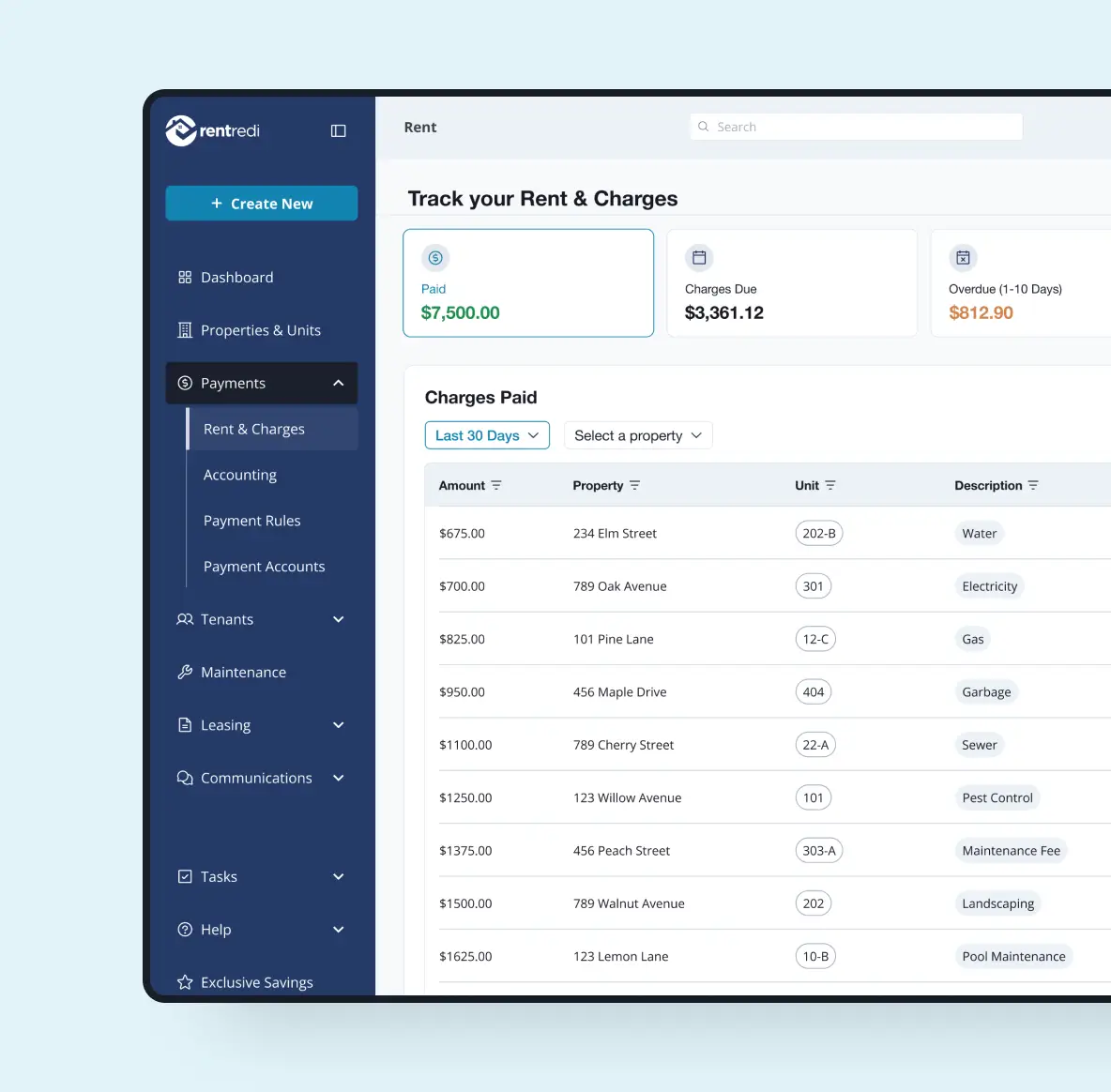
One of the smartest moves for an independent landlord is to leverage technology from the start. Relying on spreadsheets, paper checks, and ad-hoc processes might work for a single unit, but it quickly breaks down as you add more rentals. Modern real estate management software centralizes your core tasks, like advertising vacancies, screening tenants, collecting rent, tracking maintenance, and bookkeeping, into one integrated platform.

Adopting a digital property management system can dramatically increase your efficiency. Property management businesses saw improved operational efficiency after implementing new software tools. The takeaway for a small landlord is clear: using rental property management software isn’t a luxury reserved for big companies, but a necessity to save time and reduce errors as you scale. By automating routine work, you free yourself to focus on strategic growth. Scalable platforms like RentRedi are designed for independent landlords, providing the same capabilities large firms use, but in an affordable, user-friendly package you can start using with just one unit.

renter views a home exterior on a laptop screen, managing property details and maintenance online.

Standardize and Automate Your Operations

Growing from a “mom-and-pop” landlord into a professional operation requires a shift in mindset: you need to stop improvising and start systematizing. This means establishing consistent policies, workflows, and checklists across all aspects of management. Whenever you encounter a new scenario or recurring task, develop a repeatable process for it. For example, if one tenant asks to keep an exotic pet, decide on a rental property systems policy for pets that will apply to all properties. By standardizing decisions, you ensure the business runs the same way. Documented systems and policies allow you to keep a complicated business consistent even as it grows. Wherever possible, automate these processes using technology:

  • Automate Late Fee Policies: Configure your property management software to apply late fees automatically according to clearly defined lease terms. This removes emotional friction in rent collection and ensures consistent enforcement across all units. Automated rules prevent selective application and eliminate the need for manual tracking or follow-up calculations. Tenants receive predictable outcomes based on established agreements, reinforcing professionalism. By standardizing financial penalties, you protect cash flow, reduce disputes, and maintain operational discipline without increasing monthly administrative effort.
  • Standardize Communication: Create prewritten email templates for recurring scenarios such as rent reminders, maintenance updates, policy clarifications, and lease renewal notices. Structured messaging ensures that information is delivered accurately and professionally every time. Templates also reduce response delays, especially during busy periods, while maintaining a consistent brand voice. Instead of rewriting similar emails repeatedly, you can quickly personalize key details and send them efficiently.
  • Implement Recurring Task Scheduling: Use digital tools to schedule inspections, maintenance reviews, compliance checks, and lease milestones on a recurring basis. Automated reminders reduce the risk of overlooked responsibilities and create a proactive management rhythm. Rather than reacting to problems after they escalate, scheduled workflows keep property oversight organized and predictable. This structured cadence strengthens preventative maintenance efforts and supports long-term asset preservation. Reliable scheduling systems ensure critical tasks are completed consistently, even as your portfolio continues to expand.

The goal is for your rentals to almost “run themselves” through well-defined procedures and software that automates many tasks. See our guide on property management software for small landlords to explore tools that let you automate tasks like rent collection, maintenance requests, and tenant screening.

Simplify Rent Collection with Online Rent Payment Services

Rent collection is the lifeblood of your rental business, and one of the first areas to streamline. If you only have one or two tenants, you might get away with picking up checks or using a cash app, but on a larger scale, those methods become impractical and risky. Embracing online rent payment services offers significant scalability benefits. By allowing tenants to pay electronically through a secure portal, you eliminate the monthly hassle of chasing payments.

Better yet, you can enable features like autopay and automatic late fees so that the system works even when you’re asleep. Online rent payments aren’t just convenient. They lead to more reliable cash flow. Tenants who pay rent offline are 23% more likely to pay late than those who pay online. The message is clear. Digital payments reduce late payments and missed rent. With a robust rental management software platform, you can set up recurring billing, send reminders, and automatically issue receipts. Tenants appreciate the convenience, and you’ll appreciate getting the rent deposited directly into your account with detailed records for each property. When you have 50 or 100 units, manual rent collection would be a nightmare, but an online system scales effortlessly.

Streamline Maintenance with Property Maintenance Software

Staying on top of maintenance and repairs is another critical system to build early. For a solo landlord, it’s tempting to handle maintenance informally. Your tenant texts about a leaky faucet, you call a plumber when you get around to it, etc. However, as you scale to multiple properties, a casual approach will let things fall through the cracks.

Implementing property maintenance software or a maintenance tracking system is essential for scalability. This typically means using a tenant portal where renters can submit work orders, and a centralized dashboard where you can prioritize and assign those work orders to yourself or vendors. Each request is timestamped, tracked, and marked complete when resolved. Such a system ensures nothing is forgotten and enables you to easily monitor the status of all open maintenance issues across your portfolio. Prompt maintenance not only protects your property values, but it also directly impacts tenant retention.

Failing to fix problems quickly can cost you great tenants. With a structured maintenance workflow, you can set standards like responding to all urgent requests within 24 hours and documenting every fix. Many property management platforms, such as RentRedi, integrate maintenance coordination tools and even offer 24/7 maintenance call centers or vetted contractor marketplaces to help independent landlords handle repairs like a pro. Whether you manage 5 units or 100 units, use a system that makes maintenance proactive and organized, rather than reactive and chaotic.

Enhance Tenant Communication and Experience

When you only have one tenant, you might remember every phone conversation. But with dozens of tenants, you need a system to keep communication streamlined and documented. Modern rental property management software includes built-in communication tools. Think of it as a mini-CRM for your rentals. You can have tenants message you through an app or portal, send out bulk announcements to all tenants or specific buildings, and keep a log of every interaction. Consistent, timely communication boosts tenant satisfaction and reduces misunderstandings.

Many renters today actually expect a tech-enabled, responsive communication process. Both tenants and landlords now expect efficient systems, convenient tools, and real-time communication in property management. By using a centralized messaging platform instead of scattered texts and emails, you can respond faster and have an official record of what was said. This also helps if you eventually delegate some tasks to assistants or property managers. They can pick up conversations within the system. To manage prospective tenants and vacancies, consider using real estate CRM software or lead-tracking features offered by some property management platforms. This keeps all your inquiries, tour appointments, and applicant follow-ups organized so no opportunity slips through the cracks.

Digitize Lease Management and Documentation

Even with just a couple of units, paperwork can pile up quickly. When you’re managing 10 or 20 properties, paper filing cabinets and ad-hoc Google Drive folders won’t cut it. Implementing a lease management software solution will save you enormous headaches. The idea is to keep all important documents and lease details in one secure, searchable place. Use electronic leases and digital signature tools to eliminate printing and scanning.

miniature house sits on a laptop keyboard as a user navigates listings, tracking rental finances digitally.

You can send leases to new tenants for e-signature and store the executed copies in your system, attached to that tenant’s profile. With everything digitized, you can easily retrieve any lease in seconds, critical when you need to check a clause or expiration date. Additionally, a good system will let you set reminders for lease renewals and rent increases. At 50+ units, manually tracking which leases expire each month becomes error-prone. Instead, let the software alert you 60 or 90 days in advance so you can discuss renewals. Some platforms also support custom templates for lease agreements and addenda, ensuring you have consistent, lawyer-reviewed documents for every tenant.

Beyond leases, make use of digital storage for inspections, warranties, insurance policies, and tenant communications. Having a well-organized digital filing system means that scaling from 5 to 50 units doesn’t increase your admin workload linearly. The time to file and find documents stays minimal. Plus, you reduce legal risk by keeping thorough records. Treating paperwork and leases with a systematic, digital approach is a must as you expand.

Keep Solid Financial Records with Accounting Tools

Financial management is an area where novice landlords often rely on basic tools. But as you accumulate more properties and higher rental income, upgrading to dedicated property management accounting software will pay off. Accurate bookkeeping and reporting become exponentially more important with a large portfolio. You’ll likely be dealing with multiple mortgages, separate bank accounts, thousands of dollars in security deposits, and complex tax filings.

Good landlord accounting software, or an integrated accounting module within your property management platform, helps you track all of this seamlessly. It will automatically record rent payments and late fees by property, allow you to categorize expenses by unit, and generate financial statements such as profit-and-loss and cash flow reports. One best practice is to maintain separate accounts for each property to achieve financial clarity and improve accounting accuracy, meaning you track income and expenses on a per-property basis. This way, you can see which rentals are performing well and which need improvements or rent adjustments.

The right software makes this easy by tagging every transaction to a specific unit or building. Additionally, consider using tools that sync with your bank or offer integration with popular general ledgers. Automation in accounting can save countless hours, especially at tax time. Imagine auto-generating all your 1099 tax forms for contractors, or having a ready-made Schedule E for each property. With 100 units, these tasks would be herculean if done manually. By investing in robust accounting systems early, you establish a scalable financial infrastructure.

Scaling Your Rental Portfolio with Confidence

As you implement these systems, you’ll find that managing 10 properties isn’t ten times harder than managing one. Each additional unit should incrementally add to your profit more than your workload. The difference lies in having laid a solid foundation of processes and tools that do the heavy lifting. With everything organized on a single platform, you can manage a large portfolio part-time or alongside another career. Crucially, the systems you choose should be scalable: the methods that work for a single-family home should still work at 50 units. Modern all-in-one platforms like RentRedi are built to grow with you. By applying these strategies and leveraging the best property management software features available, you can turn your rentals into a well-oiled machine. Instead of drowning in maintenance calls or rent tracking, you’ll have real-time dashboards and automated workflows keeping you firmly in control. This not only saves you time and stress, but also positions you to seize new opportunities. You can confidently buy that next property knowing your systems can handle it. Scaling a real estate portfolio is achievable for independent landlords who prioritize smart systems. Treat your rental business like the scalable enterprise it is, and you’ll be able to go from 1 unit to 100 units while keeping both your sanity and your profitability intact.

Sources:

  • AZ Big Media – “The role of technology in modern property management: From apps to automation”
  • Steadily – “Managing Multiple Rental Properties: Tips for Success”