2026 Guide: How Landlords Can Increase On-Time Rent Payments Using Mobile Tools

Boost rental cash flow in 2026. Learn how landlords use mobile tools and automation to ensure on-time rent payments and improve tenant relationships.

7 min read

Rent collection went mobile faster than most of us expected. The pandemic nudged people toward contactless everything, but the shift stuck because the tools work. Most tenants are likely to have phones, and landlords need a predictable cash flow they can trust. Those two realities line up nicely. 

The challenge is real, though. Late payments mess with everything from mortgage coverage to maintenance planning. Chasing checks is time-consuming and awkward. And any missed month can throw a budget off for an entire quarter.

We’re going to look at something practical and doable: Using mobile tools to boost on-time rent payments. Not with gimmicks. But with simple features that tenants actually use and systems that keep your cash flow steady. Read on.

The Use of Mobile Tools for Rent Collection

Mobile tools in rent collection are the apps and services that let tenants pay from their phones while giving landlords clear visibility into what’s been paid and what’s pending. 

Think payment portals, rent apps, text reminders, digital wallets, and instant notifications that replace guesswork with a timeline you can trust. These tools streamline your rent collection as a landlord while giving your tenants the utmost convenience they deserve. Remember, the goal is to make more money from your rental properties.

Common features you’ll see across modern platforms include:

  • Scheduled and recurring payments (via ACH, debit, or credit)
  • Automated reminders (by push, email, or SMS) 
  • Instant payment confirmations and receipts
  • In-app maintenance requests and messaging
  • Shared ledgers with exportable reports for bookkeeping. 

The benefits work for everyone:

  • Tenants get convenience. They have clear due dates and a dependable way to avoid late fees.
  • Landlords get fewer surprises. They have less manual tracking and a professional system that takes the friction out of rent day. 

Learn from Tom Rockwell, CEO of Concrete Tools Direct. Having worked in the real estate industry, offering concrete tools, he has watched this shift unfold in real time. 

Rockwell says, “Tenants like paying from anywhere at any time. Landlords finally get real-time visibility into their cash flow. The automated reminders eliminate the awkwardness of chasing payments.”

If you’re wondering whether most renters have the tech to use these tools, the answer is yes. Smartphone adoption is widespread, and mobile internet usage is the norm in the U.S.

Pew Research Center tracks this over time and shows how firmly smartphones have become part of everyday life. Nearly all Americans (98%) own a cellphone, and 91% now own a smartphone, up from just 35% in 2011. This is a useful context for choosing a mobile-first approach to rent collection. 

Image source

The integration of mobile payment platforms

Leveraging mobile payment tools should be part of your smart property management. As a landlord or a property manager yourself, you have a wide range of options to accept rent via phone:

  • Purpose-built property management platforms: The best rent payment apps, like RentRedi, bundle payments with renter screening, property maintenance, tenant communications, and rent payments.
  • General-purpose tools. Payment portals like PayPal and Venmo are familiar to tenants as they can work for smaller operations. However, you’ll want to review their terms for business use and for handling tenant data. 
  • Bank-based tools. ACH pulls via your rent platform are the backbone of low-cost transactions. NACHA has reported robust growth in electronic payments across bill-pay use cases, including rent. ACH payment volume increased 4.2% to 8.5 billion transactions, with total payment value rising 6.6% to $22.1 trillion.

Image source

Andrew Bates, COO at Bates Electric, has witnessed the integration of mobile payment platforms in property management. Having worked with both landlords and tenants, he’s seen how this integration has improved rent collection.

Bates explains, “Integrating mobile payment platforms has transformed rent collection. Landlords gain real-time visibility while tenants pay with ease. A simple, secure setup makes the process seamless for both parties.”

Bates shares a few recommendations:

  • A simple integration path looks like this:
  • Decide which payment rails you’ll accept: ACH, debit, credit, or instant options where available. 
  • Connect a platform to your business bank account and verify deposits. 
  • Set due dates and late-fee rules in accordance with local regulations. 
  • Turn on recurring payments and automated reminders. 
  • Test the tenant experience on a phone before rollout. 
  • Provide clear onboarding instructions and a support contact. 
  • Technical considerations matter. Data security is non-negotiable, so look for:
  • User experience drives adoption. If tenants can set up autopay in under two minutes on a phone, usage tends to climb. Support also matters during the first week. Offer a direct line or chat for setup issues.

The benefits of increasing on-time payments

It’s time to automate your rent collection using mobile tools. If anything, you reap the benefits of increasing your rental payments. Here’s why you should consider doing so:

  • More predictable cash flow: Predictable rent collection changes how landlords can operate. When payments arrive on time, you can plan maintenance schedules. As a property owner or manager, you can negotiate better terms with vendors and even qualify for better financing.
  • Stronger tenant relationships: Automating the nudge takes the edge off and keeps things consistent. Over time, that consistency builds trust. Tenants see what’s due and get reminders before it’s late. Ultimately, they feel treated like valued customers rather than potential problems.
  • Administrative cost reduction: Fewer late payments usually mean fewer late-fee discussions and less administrative time. It also means fewer trips to the bank, fewer misplaced checks, and fewer manual reconciliations. 

Meanwhile, Adrian Iorga, Founder and President of Stairhopper Movers, recommends that rental businesses leverage mobile payment tools. He has learned that these can also benefit tenants or renters, having served clients who needed moving services.

Iorga mentions, “Increasing on-time rent payments benefits everyone. Landlords gain predictable cash flow and lower administrative costs, while tenants appreciate the convenience and clarity. Ultimately, mobile payment tools make it simple, keeping the process consistent and stress-free.”

The Federal Reserve’s research on consumer payments shows the steady shift toward electronic bill pay and automation over the past several years. 

Image source

In 2024, consumers made more payments and spent more overall than in 2023. The average number of monthly payments rose 6% to 48 per person, with credit card payments increasing to 17. Meanwhile, total monthly spending jumped 28% to $6,867, and the average payment value rose 21% to $142.

Best Practices for Using Mobile Tools Effectively

It’s crucial to offer platinum-level tenant support to boost your rental business’s ROI. Optimizing rent collection should be your top priority. However, you don’t need to reinvent your rent payment policy to see better results. A few straightforward moves using mobile tools can go a long way. 

That said, here are some of the best practices to follow:

Image source: Generated by the author via ChatGPT

  • Make autopay the default path. Encourage tenants to enroll during move-in or renewal. Offer a small incentive, if your local rules allow it, such as a one-time $10 credit for enabling ACH autopay.
  • Keep communication simple. Put your payment policy on a single short page and share it via email and in your tenant portal. Include due dates, grace periods, acceptable and payment types, not to mention what to do if someone needs help.
  • Offer quick how-tos. A 60-second video or a one-page guide with screenshots builds confidence. Tenants shouldn’t need more than a couple of taps to pay. 
  • Be deliberately inclusive. Provide a non-digital fallback for tenants who need it. Likewise, offer materials in the main languages your tenants speak. Ultimately, it’s best to offer flexible rent payment solutions that cater to all types of tenants.

The Future of Mobile Rent Collection Tools

The future of property management is bright and promising. But when it comes to rent collection, two trends are worth watching: Instant payments and smarter automation.

  • Faster payments: Modern rent collection tools can help landlords get paid quicker with ACH and card rent payments.  This makes rent day more precise and flexible. If you’ve ever waited over a week or bank holiday to see funds hit, you’ll appreciate why this matters. 
  • Smarter automation: On the intelligence side, expect tools that spot payment risks before they become problems. The next wave will use AI to predict payment behavior and proactively address potential issues. See platforms that analyze payment patterns to identify tenants who might struggle with upcoming payments. 

Take it from Leon Huang, CEO at RapidDirect. He has seen the rise of mobile rent collection in the real estate industry. He believes that as tech trends and market demands evolve, there’s so much more ahead. 

Huang says, “Put these together (smarter reminders and faster rails), and the rent experience starts to feel more like modern bill pay in other parts of life. But here’s the truth of the matter: The future of mobile rent collection has already begun.”

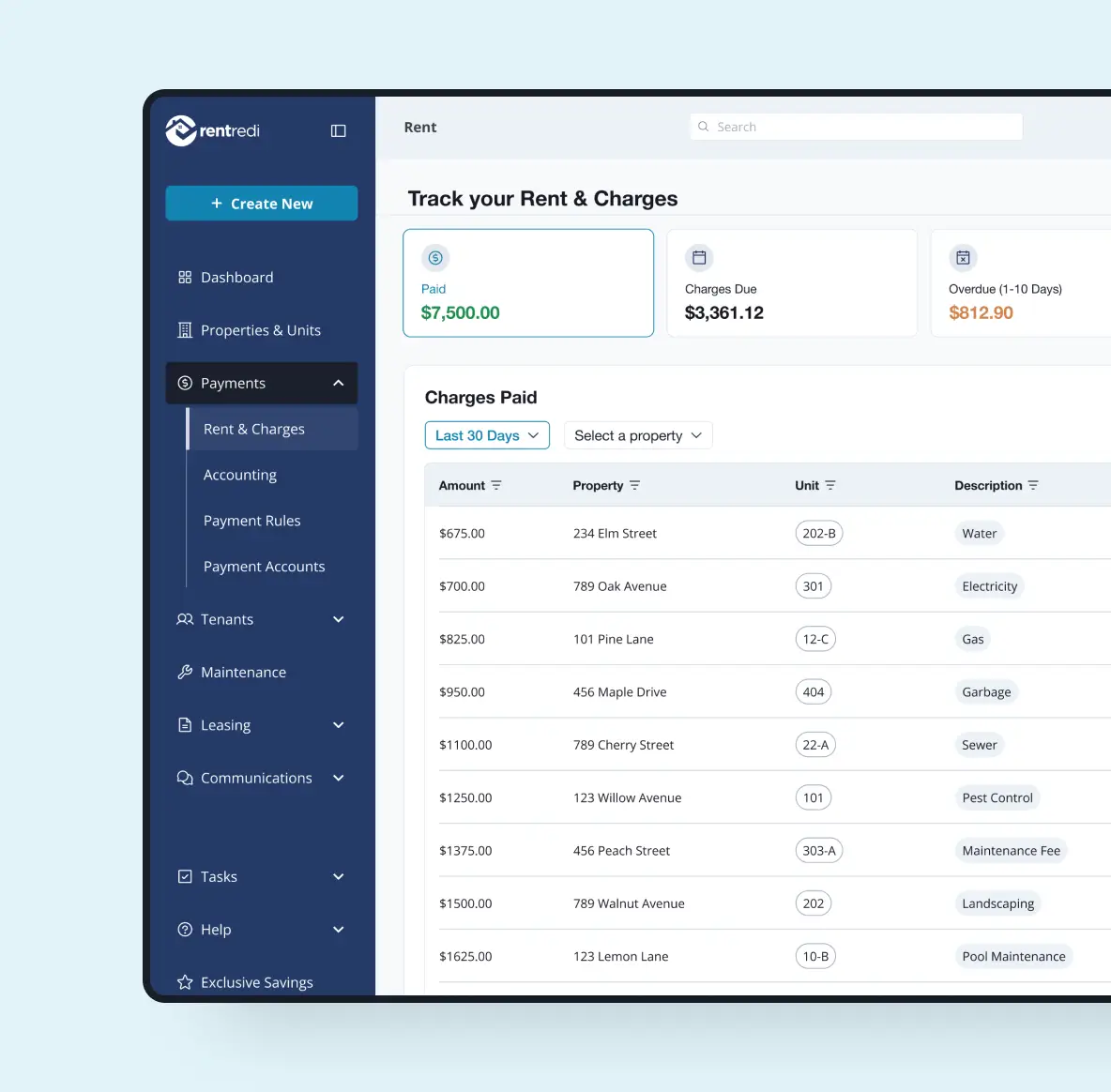
Take RentRedi’s property management platform, for instance. This tool offers rent collection and payment features to help you stay on top of your finances and reporting. On the flip side, tenants can use the mobile app to set payment reminders and even autopay.

Making Mobile Payments Work for Your Rental Properties

Mobile tools won’t fix every challenge in property management, but they make on-time payments far more likely. They cut out friction and keep conversations professional, ultimately giving you the clarity you need to run a steady operation.

If you’re getting started, choose a platform that meets your security and compliance needs. Also, test the tenant experience on a phone and keep your communication simple. Plus, consider a purpose-built solution and pick the setup that fits your portfolio. Ultimately, a small push now can pay off for years in better cash flow and fewer headaches.

Ready to explore? Spend 20 minutes comparing platforms like RentRedi, confirming your payment rails, and drafting your one-page payment policy. Then turn on reminders and invite tenants to set up autopay. Ultimately, let the system do the heavy lifting!