Choosing the best rental software is a crucial decision for landlords seeking to streamline property management, reduce administrative headaches, and maximize returns. With so many options available, RentRedi and AppFolio consistently stand out as leading platforms, but they cater to distinctly different needs. Whether you’re an independent landlord managing a handful of units or an enterprise overseeing hundreds of properties, understanding the strengths and limitations of each solution will help you make an informed choice. Read on to discover which platform offers the features and value that best align with your property management goals.
Ease of Use and User Experience
Getting Started and Onboarding
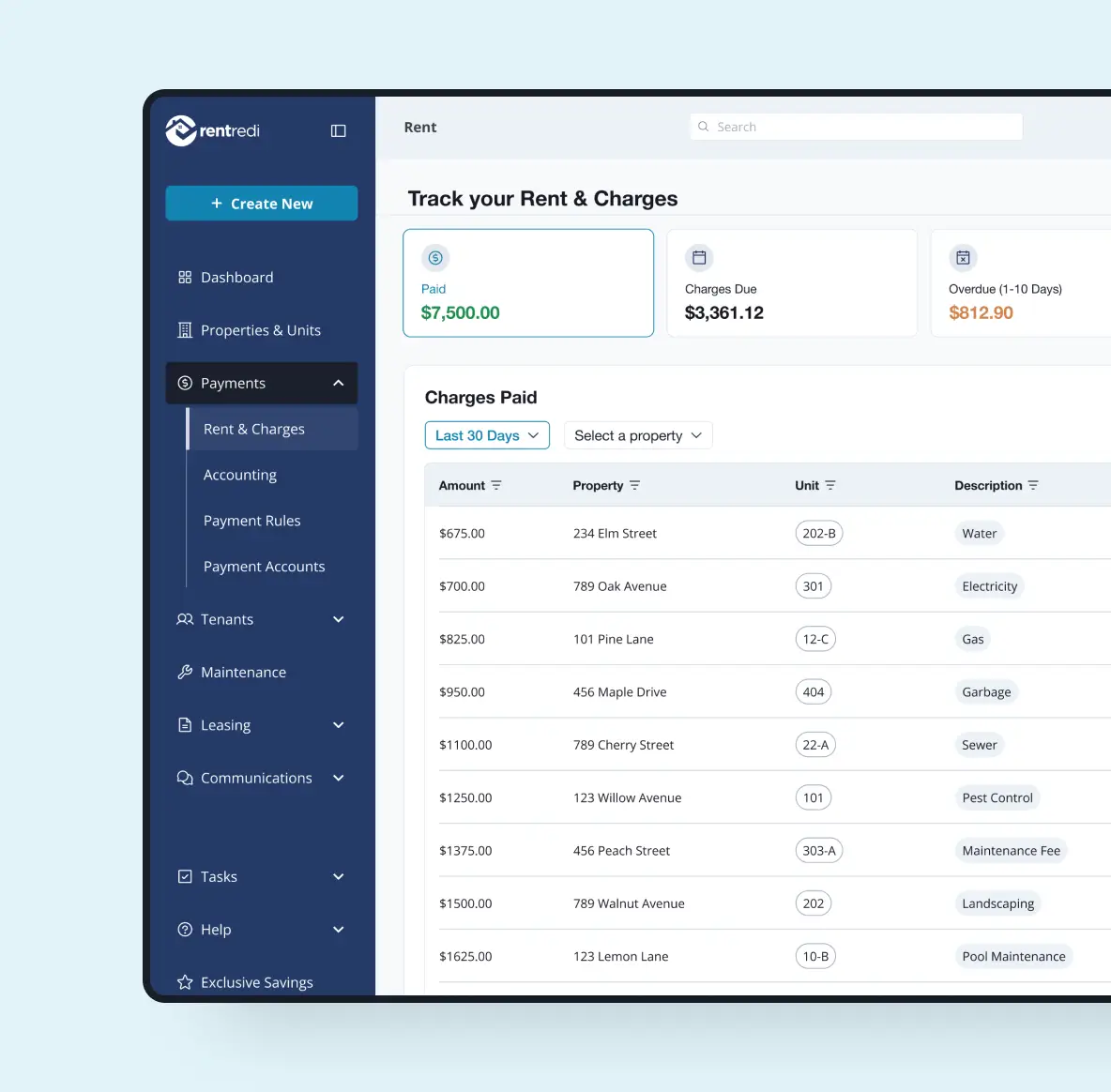
The usability and user experience of both platforms, including complexity, mobile optimization, and the learning curve for landlords. RentRedi and AppFolio take distinctly different approaches, each catering to a specific type of landlord. RentRedi is designed with simplicity and accessibility at its core, making it an attractive choice for independent landlords and those managing small to mid-sized portfolios. The platform features an intuitive interface that allows users to get started quickly, often requiring little to no formal training. Landlords can easily navigate between tasks such as rent collection, tenant screening, and maintenance management, with a dashboard that highlights key actions and streamlines daily operations. The onboarding process is straightforward, enabling new users to set up their accounts and begin managing properties within minutes.
Learning Curve and Complexity
In contrast, AppFolio is built for larger property management companies and organizations with more complex needs. While it offers a comprehensive suite of features, this breadth can lead to a steeper learning curve for new users, especially those without prior experience with property management software. AppFolio’s interface can feel overwhelming due to its array of advanced options and settings.
Mobile optimization is another area where the two platforms diverge. RentRedi was built as a mobile-first solution, providing fully featured apps for both iOS and Android. Landlords and tenants alike can manage essential tasks directly from their smartphones. This focus on mobile usability ensures that landlords can stay on top of their operations from anywhere, without being tied to a desktop. AppFolio, while offering mobile apps, is primarily desktop-centric. Certain advanced features and administrative functions are only accessible via the desktop version, which can limit flexibility for landlords who need to manage properties on the go.
The user experience on RentRedi is tailored for those who value simplicity, speed, and mobility, making it ideal for landlords who want to minimize time spent on administrative tasks. AppFolio, on the other hand, is best suited for those who require robust, enterprise-level functionality and are willing to invest the necessary time in training and onboarding to master its extensive feature set. This fundamental difference in approach shapes the overall usability and satisfaction of landlords using each platform.
Pricing and Cost Structure
The pricing models of both platforms include flat-rate and per-unit pricing, total cost of ownership, and budget and return on investment considerations. RentRedi and AppFolio use fundamentally different pricing models, which can significantly impact your budget, scalability, and long-term return on investment. Below is a breakdown of the key pricing considerations landlords should evaluate before choosing between these platforms.
- Flat-Rate Pricing with RentRedi: RentRedi offers a flat-rate pricing model, allowing landlords to manage unlimited properties and tenants for a single predictable fee. This approach eliminates per-unit charges, making it especially attractive for landlords with growing portfolios or those managing multiple properties. Regardless of whether you manage five units or fifty, your monthly or annual cost remains the same. This simplicity not only makes budgeting easier but also ensures that your software expenses don’t increase as your business expands.
- Per-Unit Pricing with AppFolio: AppFolio uses a per-unit pricing model, charging a set fee per property managed on the platform, with a minimum monthly cost. This model means that costs scale directly with portfolio size, which can quickly add up for landlords with even modest growth plans. For example, managing ten units could cost the same as the platform’s minimum monthly fee, while portfolios of fifty or more units may see costs climb significantly higher. This structure is often better suited for large property management companies that can leverage volume-based value.
- Total Cost of Ownership: The true cost of rental software goes beyond the subscription fee. Landlords should consider implementation expenses, potential training requirements, add-on features, and support costs. Platforms like AppFolio may require additional investment in onboarding and premium support, especially for complex portfolios. RentRedi’s straightforward setup helps minimize hidden expenses.
- Budget and Return on Investment (ROI) Considerations: Assessing the budget impact and potential ROI is essential when comparing software options. RentRedi’s flat-rate model provides cost certainty and can offer significant savings as your portfolio grows, making it easier to forecast long-term expenses. AppFolio’s per-unit pricing may deliver value for large-scale operations but can erode ROI for smaller landlords due to higher recurring costs.
Carefully analyzing each platform’s pricing model, total cost of ownership, and alignment with your budget and business goals will help you make the most cost-effective choice.
Customer Support and Service
When it comes to customer support and service, RentRedi and AppFolio take notably different approaches, differences that can significantly impact landlord satisfaction and day-to-day operations. RentRedi distinguishes itself by offering 24/7 live chat support, as well as phone and email assistance for both landlords and tenants. This round-the-clock availability ensures users receive timely help whenever issues arise, which is particularly valuable for independent landlords who may not operate on a traditional business schedule. RentRedi’s support team is praised for being knowledgeable, patient, and responsive, with many users highlighting positive experiences with setup assistance and troubleshooting. The platform also provides a comprehensive help center featuring video tutorials, step-by-step guides, and an extensive library of resources to empower users to resolve common issues independently.
AppFolio provides customer support primarily during standard business hours, with phone and email options available to users. While AppFolio offers onboarding services and training resources, access to premium or expedited support often comes at an additional cost. User feedback indicates that response times can be inconsistent, with some customers experiencing delays of several days or even weeks before reaching a live support representative or receiving a resolution for complex issues.
Suitability for Different Landlord Types
When evaluating RentRedi and AppFolio, it’s clear that each platform is purpose-built for distinct types of landlords and property managers, with their suitability resting on portfolio size, operational complexity, and available property management resources.
Best for Independent Landlords and Small Portfolios
RentRedi is intentionally designed for independent landlords and small to mid-sized portfolio owners, typically those managing anywhere from a single unit up to around 50 properties. These landlords often juggle property management alongside other personal or professional responsibilities, so they require software that is intuitive and minimizes the time spent on administrative tasks. This simplicity is a significant advantage for landlords who prioritize efficiency, cost certainty, and the ability to manage their properties from anywhere, whether at home, at work, or on the go. Additionally, RentRedi’s inclusive approach, offering unlimited properties and tenants under a single subscription, means that small landlords can scale their portfolios without worrying about escalating software costs or outgrowing the platform’s capabilities.
Designed for Large-Scale and Enterprise Property Managers
AppFolio is engineered with the needs of large-scale property management companies and enterprise-level landlords in mind. This platform excels when deployed by organizations managing hundreds or even thousands of units, often across diverse property types such as residential, commercial, or mixed-use portfolios. AppFolio’s comprehensive suite of features serves businesses with dedicated staff for various functions, such as leasing agents, accountants, and maintenance coordinators. Their complexity may feel overwhelming, and many of their advanced features may go unused. Conversely, for established property management firms seeking granular control, advanced analytics, and the ability to manage large teams and portfolios efficiently, AppFolio provides the depth and scalability required to support complex operations.
The best choice depends on the landlord’s unique circumstances. Independent landlords and small-scale property managers will find RentRedi’s affordability and mobile capabilities ideally suited to their needs, while large enterprises and property management firms will benefit most from AppFolio’s expansive feature set and scalability.
Decision-Making Guidance: How to Choose Between RentRedi and AppFolio
Choosing the right rental software is a critical decision that impacts your efficiency, costs, and long-term success as a landlord. To make the best choice between RentRedi and AppFolio, it’s important to take a strategic approach that goes beyond simply comparing features or price tags.
- Clarify Your Portfolio Needs and Growth Plans: Start by assessing the size and complexity of your rental portfolio and your anticipated growth over the next few years. Consider how many units you currently manage, the types of properties in your portfolio, and whether you plan to expand. A clear understanding of your requirements will help you determine if you need a platform built for independent landlords (like RentRedi) or an enterprise-level solution (like AppFolio) tailored for large portfolios and dedicated management teams.
- Evaluate Workflow Compatibility and Time Investment: Analyze how each platform fits into your daily operations and preferred management style. Examine whether the software streamlines routine tasks or introduces unnecessary complexity. Consider the learning curve, the onboarding process, and the time required to become proficient. Opt for a solution that minimizes administrative burden and integrates smoothly into your existing workflows, ensuring you can focus more on growing your business and less on troubleshooting software.
- Test the Software with Real-World Scenarios: Take advantage of free trials or money-back guarantees to thoroughly test each platform using real tasks you perform regularly, such as processing rent payments or screening tenants. Involve both landlords and tenants in the testing process to identify any potential friction points.
- Assess Long-Term Value and Scalability: Look beyond upfront costs and immediate features to evaluate the long-term value each platform delivers. Consider factors such as pricing structure, scalability, potential time and effort savings, and the platform’s ability to support your business as it evolves. Choose software that not only meets your current needs but also scales with your growth, protects your investment, and delivers ongoing returns through automation and improved tenant satisfaction.
Taking the time to evaluate your requirements, test the platforms, and consider long-term value ensures you select the software that best supports your goals as a landlord.
RentRedi vs Appfolio: Which is the Best Rental Software for Landlords?
If you’re a self-managing landlord or a property manager trying to scale, RentRedi offers unlimited pricing plans. This means our plans are flat-priced (so you don’t pay per unit or per tenant) and our features are all-inclusive. As a bonus, we’re also rated 5 stars by our customers. So, regardless of the plan you choose (monthly, quarterly, or annual), you will always have access to all our features and never have to pay more for your units.
Plus, we also offer prescreening services,e-lease signing, live customer support, and premium maintenance services so you can take a break from maintenance whenever you need one! You can learn more about how RentRedi works by watching our demo video and seeing how we can make property management easier for landlords. Also, you don’t have to take our word for it. Check outthese customer reviews about how much they love using RentRedi.
Frequently Asked Questions
Understanding the similarities and differences in core features is essential when choosing between RentRedi and AppFolio. Below, we address the most frequently asked questions about their key functionalities, helping you identify which platform best fits your property management needs.
How do RentRedi and AppFolio compare in rent collection features?
Both platforms support online rent collection, but RentRedi offers ACH, credit/debit cards, and cash payments at retail locations, while AppFolio provides ACH and credit card options with automated payment processing.
What tenant screening capabilities are available on each platform?
RentRedi and AppFolio both offer comprehensive tenant screening, including credit, criminal, and eviction checks through TransUnion, but RentRedi emphasizes mobile-friendly workflows for independent landlords.
How is maintenance management handled by RentRedi and AppFolio?
RentRedi integrates with a national contractor network for maintenance, allowing tenants to submit requests with photos and videos. AppFolio features AI-powered coordination and vendor portals, ideal for larger property management teams.
What financial management and accounting tools do the platforms provide?
RentRedi offers property-specific financial reporting, automated tracking, and tax-ready forms. AppFolio delivers advanced accounting with general ledger, accounts payable/receivable, and detailed reporting suited for enterprise operations.
How does the mobile experience differ between RentRedi and AppFolio?
RentRedi is built mobile-first, providing fully-featured apps for landlords and tenants. AppFolio offers mobile apps, but many advanced features require desktop access, making RentRedi more flexible for on-the-go management.
RentRedi vs Appfolio
| Features | RentRedi | Appfolio |
|---|---|---|
| Mobile Rent Payments | Yes | Yes |
| Cash rent payments | Yes | Yes |
| Credit boost for tenants | Yes | No |
| Document Storage & Sharing | Yes | Yes |
| E-Lease Signing | Yes | Yes |
| Maintenance request management | Yes | Yes |
| Option to outsource premium maintenance | Yes | No |
| Live Customer Support | Yes | No |
| Free teammate accounts | Yes | No |
| Unlimited free payment accounts | Yes | No |
| App available for landlords | Yes | Yes |
| App available for tenants | Yes | Yes |
| Block payments directly | Yes | Yes |
| In-app notifications to tenants | Yes, custom notifications to tenants regarding any important updates or information | Yes |
| Reminder communication to tenants | Yes, send rent reminders directly to tenant’s phones! | Yes |
| Built-in Prescreening | Yes, 10 simple questions to see if tenants qualify for your unit. One-click accept or reject | No |
| Tenant Screening | Yes, full credit, criminal, and eviction history report | Yes |
| Marketing Page | Yes, unlimited and free to share on Facebook Marketplace, Craigslist, your website, social media, and more! | Yes |
| Listings | Yes | Yes |
| Auto-Pay for Tenants | Yes | Yes |
| Google Calendar Sync | Yes | No |
| Renters Insurance for Tenants | Yes, affordable insurance plans for all your renters | Yes |
| Onboarding Process | You can get started on RentRedi immediately | Onboarding process lasts 4-6 weeks |
| Unlimited Units | Yes, all plans included unlimited units and NO minimums | No; CORE: $1.40 per unit / per monthPLUS: $3.00 per unit / per month |
Choosing the right platform depends on your portfolio size and operational needs. By understanding these core differences in features, you can select the software that streamlines your property management most effectively.