Summary
Rental property maintenance issues often begin with small warning signs that grow into expensive emergencies when ignored. Water damage, HVAC failures, drain clogs, roof leaks, electrical concerns, and appliance breakdowns are among the most common disruptions landlords face. A proactive maintenance strategy helps reduce repair costs, protect rental property value, improve tenant satisfaction, and prevent avoidable emergencies. By scheduling inspections, responding quickly to early issues, and using organized maintenance systems, landlords can keep operations stable and protect long-term returns.
Table of Contents
- HVAC Failures During Peak Seasons
- Drain Clogs and Sewer Line Backups
- Roof Damage and Exterior Envelope Deterioration
- Electrical Problems and Outdated Wiring
- Appliance Breakdowns and Wear-and-Tear Issues
- Pest Infestations and Recurring Entry Points
- Foundation Cracks and Structural Shifts
- Flooring Damage and Subfloor Deterioration
- Poor Preventive Maintenance Systems
- Turning Maintenance into a Managed Asset
- FAQs
Quick Takeaways:
- Water Damage is King: Leaky faucets and clogged drains are the most frequent (and potentially expensive) disruptions.
- HVAC is Seasonal: Annual inspections in Spring and Fall prevent 80% of emergency repair calls.
- Tenant Communication: A streamlined reporting system reduces “repair lag” and prevents minor issues from becoming structural disasters.
Rent doesn’t stop when something breaks. A leaking pipe, a failed water heater, or a backed-up drain can derail your day and your tenant’s routine at the same time. One maintenance call quickly turns into schedule changes, unexpected invoices, and frustrated residents who just want their home to function properly.
Most rental disruptions follow familiar patterns. Small warning signs show up long before the emergency. Landlords who pay attention to those patterns and act early avoid late-night calls and costly repairs. Proactive maintenance is not just upkeep. It protects cash flow, preserves property value, and keeps tenants confident in your management.
Plumbing Leaks and Hidden Water Damage
A small plumbing leak can quietly damage cabinets, subflooring, and drywall before anyone notices. A loose supply line under a sink or a slow drip behind a wall often goes unreported until stains appear or flooring begins to warp. By that point, repairs may require material replacement, moisture mitigation, and coordination with tenants to access the unit. It hurts rental property value and erodes tenant trust.
Proactive landlords schedule routine inspections and respond quickly at the first sign of moisture. Early assessments can trace the source and correct it before structural damage spreads. Addressing minor leaks promptly prevents larger claims, protects property value, and avoids unnecessary tenant disruption.
HVAC Failures During Peak Seasons
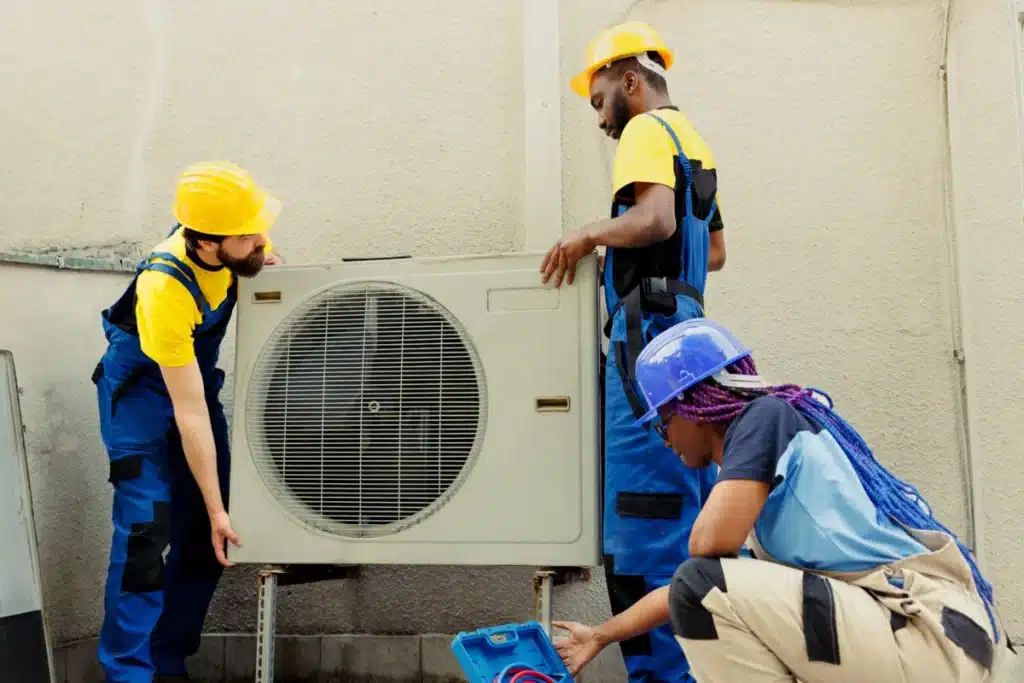
Heating and cooling systems tend to fail at the worst possible time. When temperatures spike or drop suddenly, overworked units break down under pressure. Tenants expect immediate resolution, and delayed repairs can quickly lead to complaints, lease disputes, or even habitability concerns.
Landlords service HVAC systems twice a year and replace filters on a consistent schedule. Routine inspections identify worn components, refrigerant issues, and airflow restrictions before peak demand hits. Planning also means securing dependable service partners before the busy season begins. Preventative care reduces emergency calls, shortens downtime, and keeps tenants comfortable when it matters most.
Drain Clogs and Sewer Line Backups
Clogged drains are more than an inconvenience. When sinks drain slowly or toilets back up, daily routines stop immediately. In multi-unit properties, one blockage can disrupt several tenants at once. Grease buildup, wipes, hair, and aging sewer lines often drive repeat problems that escalate without warning.
Proactive landlords reduce disruption by educating tenants on proper disposal and scheduling routine drain maintenance, especially in older buildings. Periodic camera inspections help spot root intrusion or pipe deterioration before a full backup occurs. Preventative cleaning costs far less than emergency remediation. When buildup keeps coming back, professional hydro jetting for tough clogs can clear the line more thoroughly and help reduce repeat incidents.
Roof Damage and Exterior Envelope Deterioration
Gradually, water may enter through clogged gutters, loose flashing, and damaged shingles. Months can pass before tenants notice stains on ceilings or walls. By then, moisture may have compromised insulation, framing, and interior finishes, increasing repair costs and tenant disruption.
Inspect roofs annually and after major storms. Clearing gutters, checking flashing around vents and chimneys, and sealing small vulnerabilities prevent larger failures. Regular exterior walkthroughs also protect siding and window seals. Maintaining the building envelope preserves structural integrity, reduces insurance risk, and prevents avoidable interior damage.
Electrical Problems and Outdated Wiring
Electrical issues create immediate safety concerns in rental properties. Flickering lights, tripped breakers, and warm outlets often signal overloaded circuits or aging wiring. In older buildings, outdated panels may struggle to handle modern appliance loads. Ignoring these warning signs increases fire risk and exposes landlords to liability.
Schedule electrical inspections, especially after property acquisition or renovations. Upgrading panels, replacing worn outlets, and testing smoke and carbon monoxide detectors protect both tenants and the asset. Addressing electrical weaknesses early prevents emergency calls, supports code compliance, and reduces the risk of costly damage claims.
Appliance Breakdowns and Wear-and-Tear Issues
Appliances fail on their own timeline, not when it’s convenient. A refrigerator that stops cooling or a water heater that quits working overnight disrupts daily life immediately. Tenants lose trust when essential equipment breaks without warning, especially if replacements take days to arrange.
Track the age and service history of every major appliance. Planning replacements before units reach the end of their expected lifespan prevents emergency purchases and rushed decisions. Budgeting for phased upgrades and responding quickly to early performance issues keeps properties competitive and reduces downtime between tenancies.
Pest Infestations and Recurring Entry Points
Pests create fast-moving problems in rental properties. Rodents chew wiring and insulation, while insects contaminate food areas and spread quickly between units. Once tenants report visible activity, the issue often extends beyond a single apartment and requires coordinated treatment.
Regular inspections and exterior maintenance reduce the likelihood of infestations. Sealing gaps around doors, windows, vents, and utility lines limits access points. Managing moisture around foundations and maintaining clean common areas also removes conditions that attract pests. Consistent preventative treatment protects habitability standards, supports tenant retention, and prevents minor sightings from becoming building-wide disruptions.
Foundation Cracks and Structural Shifts
Small foundation cracks often appear harmless, but they can signal movement beneath the property. Soil expansion, poor drainage, and seasonal moisture changes stress slabs and footings. Over time, that movement leads to uneven floors, sticking doors, and widening wall fractures that tenants quickly notice.
Monitoring cracks, checking grading around the building, and correcting drainage issues reduces long-term structural risk. Water should always move away from the foundation, not pool near it. Early evaluation by qualified professionals helps determine whether a crack is cosmetic or structural. Addressing shifts early protects long-term stability and prevents expensive structural repairs later.
Flooring Damage and Subfloor Deterioration
Flooring takes a daily impact from foot traffic, furniture movement, spills, and shifting moisture levels. Loose tiles, cracked grout, lifting laminate, and soft spots under carpet often signal deeper problems below the surface. What looks cosmetic can point to subfloor moisture, improper installation, or slow leaks that weaken structural support.
Routine inspections during turnovers and periodic checks in high-traffic areas help identify early wear. Addressing minor damage quickly prevents trip hazards and limits the spread of moisture into the subfloor. Replacing sections before deterioration spreads protects tenant safety, reduces liability exposure, and avoids full-room flooring replacements later.
Poor Preventive Maintenance Systems
Even well-maintained properties experience disruption when maintenance lacks structure. Missed inspections, undocumented repairs, and delayed responses create patterns of recurring problems. Without a clear system, small issues slip through the cracks and resurface as emergencies that strain budgets and tenant relationships.
A consistent maintenance framework reduces surprises. Digital tracking tools, scheduled inspections, and clear reporting channels help identify trends before they escalate. Organized records also support warranty claims and insurance documentation when needed. Treating maintenance as an operational system rather than a reaction to complaints keeps expenses predictable and properties stable.
Turning Maintenance into a Managed Asset
Maintenance doesn’t have to be a disruption; with the right systems, it becomes a routine part of a healthy investment. By staying ahead of these common issues, you protect both your property’s value and your relationship with your tenants.
A proactive approach turns maintenance from a constant source of stress into a structured part of operations. With consistent rental inspections, organized tracking, and timely repairs, rental properties operate more smoothly and stay competitive in any market. Over time, that consistency builds tenant trust and promotes long-term returns. Building tenant trust starts with responsiveness; join thousands of successful landlords who use RentRedi’s tenant app to receive instant maintenance alerts with photos and videos, ensuring repairs are handled accurately before they escalate into costly disruptions.
FAQs: Rental Property Maintenance Issues
Question: What is the most common maintenance issue in rental properties?
Answer: Plumbing leaks and water damage are among the most common maintenance issues in rental properties. Small leaks often go unnoticed until they damage flooring, drywall, or cabinets. Routine inspections and quick repairs help prevent larger structural problems and expensive remediation work.
Question: How often should landlords service HVAC systems?
Answer: HVAC systems should generally be serviced twice a year, typically in the spring and fall. Routine maintenance helps identify worn components, airflow restrictions, and refrigerant issues before peak heating or cooling seasons begin. Preventative servicing also reduces emergency breakdowns and improves tenant comfort.
Question: Why are drain clogs a serious problem in rental properties?
Answer: Drain clogs can disrupt daily routines, create sanitation concerns, and affect multiple units in multi-family properties. Recurring blockages may indicate deeper sewer line problems or buildup inside aging pipes. Regular drain maintenance and tenant education help reduce repeat issues.
Question: How can landlords prevent pest infestations?
Answer: Preventing pest infestations starts with sealing entry points, controlling moisture, and maintaining clean common areas. Routine inspections help identify problems before they spread between units. Consistent preventative pest treatments also support tenant satisfaction and habitability standards.
Question: What are the signs of electrical problems in a rental property?
Answer: Common signs include flickering lights, frequently tripped breakers, warm outlets, and overloaded circuits. These issues may indicate aging wiring or outdated electrical panels that require professional evaluation. Addressing electrical concerns early helps reduce safety risks and liability exposure.
Question: Why is preventative maintenance important for landlords?
Answer: Preventative maintenance helps landlords avoid expensive emergency repairs, protect property value, and improve tenant retention. Routine inspections and organized maintenance systems allow small issues to be resolved before they become larger disruptions. A proactive approach also helps stabilize long-term operating costs.
Rental property maintenance issues rarely appear without warning.
Most emergencies begin as small problems that escalate when inspections, communication, and preventative repairs are delayed. By staying proactive with maintenance planning, landlords can reduce disruptions, preserve property value, and improve tenant satisfaction over the long term.
- Schedule routine inspections for plumbing, HVAC, roofing, and electrical systems.
- Create a maintenance tracking system to document repairs and recurring issues.
- Encourage tenants to report problems early through a streamlined communication process.
Looking for a more organized way to manage rental maintenance and tenant communication? Explore tools like RentRedi to simplify repair tracking, improve response times, and keep your rental properties operating smoothly.