2026 Rental Market Trends: Tech Every Landlord Should Watch
Explore 2026 rental market trends shaping property management—from smart tech to AI screening—and how landlords can stay competitive.
Property management looks nothing like it did five years ago, so it’s crucial to keep up with 2026 rental market trends, particularly when leveraging technologies.
Lo and behold, tenants tour apartments from their couches and pay rent with a tap. They expect smart features the way they expect hot water. For landlords, that’s both exciting and a little daunting!
The message is clear: Staying ahead of tech trends goes beyond looking modern; It entails running a smoother operation and protecting your margins. More importantly, it’s about creating homes people want to stay in!
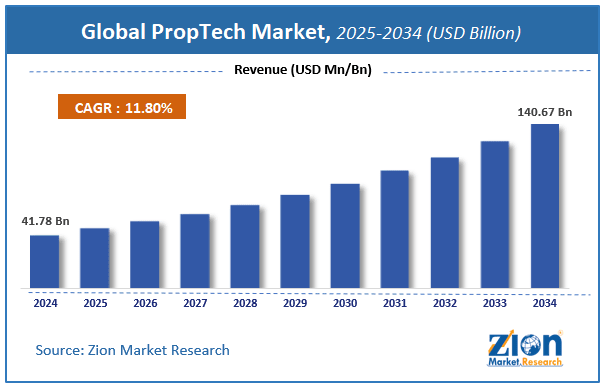
Good news: The property technology (PropTech) market is projected to grow from $41.78 billion in 2024 to $140.67 billion by 2034 at a 11.8% compound annual growth rate (CAGR).
A handful of technologies are separating the leaders from the pack as we head into 2026. Some are obvious, such as smart locks and automated rent collection. Others, like AI-driven screening and blockchain, are moving from buzzwords to useful tools.
As a property owner or manager, here’s what to invest in for your rental business this year:
1. Smart Home Tech: For Comfort and Convenience
Smart home features have moved from “nice to have” to expected for many renters. Think of the following:
- Smart locks cut down on lost keys and simplify move-ins.
- Connected thermostats keep units comfortable while shaving energy costs.
- Video doorbells and monitored security systems offer peace of mind, especially in urban or high-turnover buildings.
Smart home features have become a differentiator in the rental market. Properties with smart locks and connected thermostats attract quality tenants faster and command better rents. The initial investment pays for itself through reduced turnover.
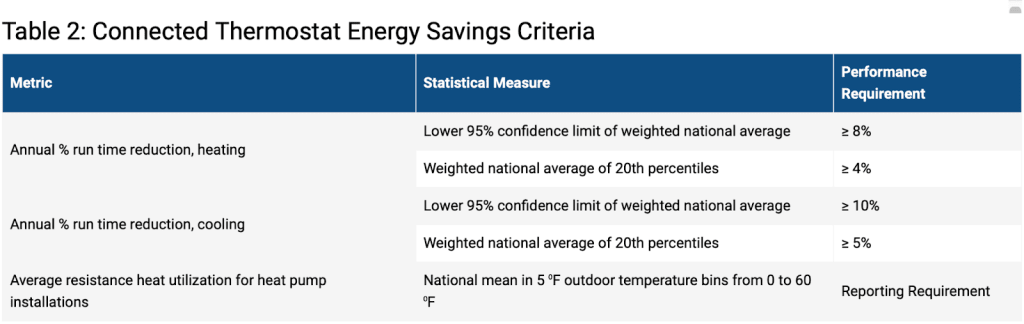
There’s simple math here, too. ENERGY STAR notes that certified connected thermostats can deliver about 8% savings on heating and cooling, depending on climate and usage patterns. That adds up across a portfolio and keeps tenants happier on utility bills.
Popular options:
- August and Yale for smart locks
- Schlage Encode for a no-hub setup
- Nest and Ecobee for thermostats
- Ring or SimpliSafe for flexible security.
Even a small starter kit (with a smart lock plus a thermostat) improves the day-to-day experience for everyone.
2. Property Management Software: For Centralized Handling
There are various property management software options readily available for landlords. These modern platforms do the heavy lifting behind the scenes:
- Rent collection
- Maintenance requests
- Lease renewals
- Tenant communications in one place
How does it help? Automated reminders reduce late payments. In-app maintenance means no more lost voicemails. Centralized messaging keeps conversations easy to find. With mobile apps for tenants, you lower friction across the board.
The real power comes from having all your data in a centralized platform. This makes it easier to manage properties and tenants as well as make smarter decisions.
Take the use of Rentredi’s property management software, for instance. This robust platform lets you handle tasks, such as property listings and tenant applications, rent collection and rental reporting, as well as maintenance requests and tenant communication.
3. VR and AT: For Digital Property Tours
Virtual and augmented reality aren’t just pandemic holdovers anymore. These tech make up the future of property management, gradually gaining ground in the real estate market.
They’re standard marketing tools, especially in competitive markets and for tenants relocating from other cities.
- 3D tours and AR overlays help people understand space and flow in a way static photos can’t. They also prequalify interest, where serious prospects get a realistic feel before they step inside. So, your in-person showings are with renters already halfway to a decision.
- Virtual reality tours have changed the dynamics of property showings. Landlords can now showcase properties to qualified prospects anywhere in the world. Properties with VR tours lease faster, especially in competitive markets.
Kos Chekanov, CEO at Artkai, has witnessed the rise of extended reality (XR) across multiple industries, including real estate. Through his work in digital product development, he has leveraged virtual and extended reality to help clients engage stakeholders in more immersive and meaningful ways.
Chekanov shares, “Extended reality is no longer just a visualization tool but a decision-making aid. In real estate, for instance, VR and AR help prospects understand scale, layout, and context before they ever visit a property. That clarity leads to better-qualified inquiries and more confident renters.”
Platforms like Zillow 3D Home and Ricoh360 Tours make capture and publishing straightforward. Listings with 3D tours see higher engagement and more qualified leads. Likewise, properties with virtual tours often attract significantly more inquiries than those without.
4. AI Tenant Screening: For Quality and Efficiency
Landlords have always wanted faster screening with fewer surprises. It’s not about replacing judgment; It’s about getting reliable inputs so humans can make better decisions. That’s where AI comes into the picture. It can spot patterns in large datasets. It also helps reduce manual errors and deliver consistent evaluations.
Take it from Adrian Iorga, Founder and President of Stairhopper Movers. He has his fair share of using AI to handle various functions for his moving company. He’s seen firsthand how property owners use AI-powered platforms to screen tenants.
Iorga says, “AI-powered screening delivers consistency and efficiency that manual processes can’t match. The technology analyzes patterns across thousands of data points to identify reliable tenants while maintaining fair housing compliance. Transparency matters…tenants should understand how decisions are made.”
Beyond screening speed and accuracy, the broader AI ROI for enterprise is becoming hard to ignore. Across industries, businesses are using AI to reduce operational costs and improve decision quality. They use this technology to scale processes without adding headcount.
In real estate, AI-powered tenant screening delivers measurable returns. It shortens vacancy periods and reduces manual workload. It also lowers the risk of costly placement mistakes by turning smarter decisions into tangible financial outcomes.
Here are a few best practices:
- Share your screening criteria up front, in plain language.
- Offer a path for human review or appeal when needed.
- Use explainable models and keep documentation.
- Audit your process regularly for disparate impact.
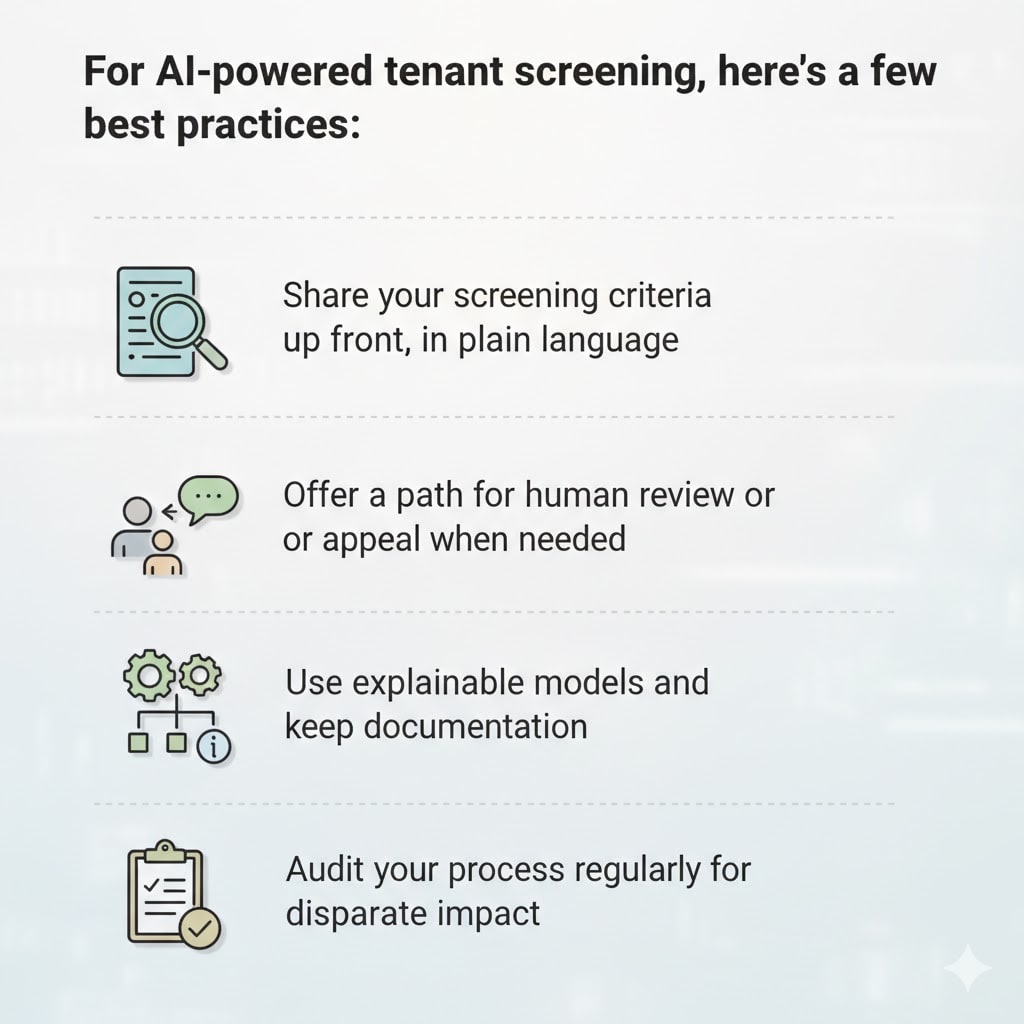
Image source: Generated by the author using Gemini
5. IoT and Predictive Maintenance: For Prevention and Action
Predictive maintenance helps prevent costly repairs. It uses sensors and software to spot little issues before they turn into big repairs. For example:
- Water leak sensors catch slow drips under sinks or around water heaters.
- HVAC monitors flag performance drops that hint at a failing capacitor or clogged filter.
- Vibration and temperature sensors on pumps or motors warn you before things seize up on a holiday weekend.
Andrew Bates, COO at Bates Electric, recommends that rental businesses invest in predictive maintenance. Having worked with various clients seeking electrical repairs, he’s also seen how renters struggle with plumbing and HVAC issues.
Bates explains how predictive maintenance works. He says, “IoT sensors act as an early warning system. “Water leak detectors and HVAC monitors catch problems when they’re minor fixes rather than major repairs. Property owners using predictive maintenance report fewer emergency calls and lower annual repair costs.”
Practical starting points:
- Install smart leak sensors around water heaters, under kitchen and bathroom sinks, and near laundry.
- Add smart thermostats and HVAC monitors in climate-heavy markets.
- Tie alerts into your property management system so your team sees the ping and can dispatch quickly.
Across industries, predictive maintenance has been shown to cut maintenance costs and reduce downtime. Real estate is now applying those lessons at scale.
Case in point: Even tiny leaks waste a surprising amount of water and can lead to mold or structural damage if missed. The EPA notes that household leaks waste nearly a trillion gallons of water nationwide each year. Its research shows that fixing leaks saves substantial water and avoids costly damage. Ultimately, early detection has environmental and financial benefits.

6. Blockchain Technology: For Secure Transactions
There’s a need to digitize your rental business in today’s real estate market. Enter blockchain technology. This tech isn’t going to replace your lease PDFs overnight, but it’s steadily finding its place in real estate workflows.
Think secure ledgers that record leases, renewals, amendments, and deposit transactions in a tamper-evident way. Smart contracts can automatically execute routine steps (such as releasing a deposit when move-out conditions are met), reducing disputes and manual follow-up.
Blockchain creates an immutable record of every transaction and agreement. Smart contracts execute automatically when conditions are met, eliminating delays and disputes. This brings transparency to rental transactions while reducing the administrative burden.
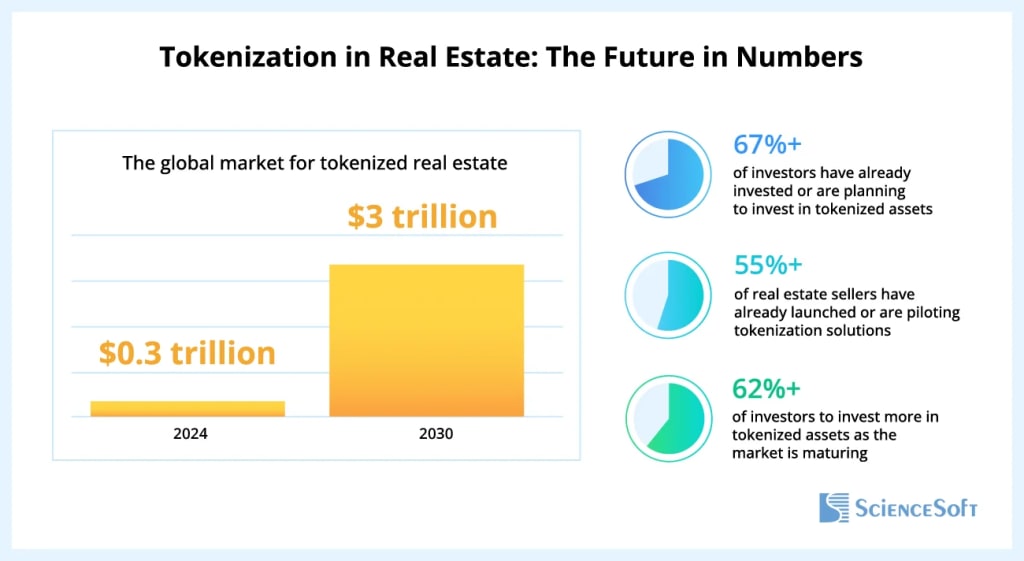
According to ScienceSoft, the tokenized real estate market could reach $3 trillion, accounting for about 15% of real estate assets under management by 2030. While still early, rising seller adoption and strong investor demand are already driving market growth.
There’s healthy skepticism, and that’s fair.
But pilot programs and enterprise use cases are increasing, especially where transparency and audit trails matter. Deloitte has tracked how distributed ledgers could underpin more secure, automated real estate transactions over time. It suggests that blockchain can streamline record-keeping and contract execution in real estate.
Final Words: Keeping up with 2026 Rental Tech Trends
The tech stack for 2026 isn’t complicated. You just have to keep up with the rental tech trends this year.
Smart home basics create a better living experience. Modern software keeps you organized and frees up time. VR tours widen your reach. AI screening speeds up decisions while staying compliant. IoT taps you on the shoulder before a small issue becomes a big bill. Blockchain nudges transactions toward clarity. Smart marketing meets renters where they are.
You don’t have to adopt everything at once. Start with two or three wins. Ultimately, the landlords who keep experimenting and measuring are the ones who’ll fill units faster and spend less time fighting fires!
Ready to invest in tech trends for your rental business this year? Start with RentRedi’s property management software, enabling you to handle tenant screening, rental marketing, tenant communication, property maintenance, and rent collection, all in one place. Sign up today to get started!