Pricing rentals used to feel simple. Pull a few comps, scan listings, add a bump for upgrades, and call it done. But in today’s market, that approach can leave money on the table. Or units sitting vacant.
Demand shifts fast. By neighborhood, floor plan, even day of the week. Rules of thumb just can’t keep up anymore. Which is why pricing needs to reflect what’s happening right now. Not last year.
That’s where artificial intelligence (AI) and machine learning (ML) come in. Think of them less as complex tech and more like a smart assistant that tracks your market 24/7. They help you set the right price to boost occupancy and revenue.
So, keep reading to learn how to use AI/ML for rental pricing.
Key Takeaways
- Dynamic pricing helps you avoid long vacancies and underpricing
- Machine learning spots patterns you’d likely miss manually
- Better pricing = more stable cash flow and fewer turnovers
- You stay competitive without constantly checking listings
- You’re not replacing your judgment, but you’re improving it
The Use of Machine Learning in Real Estate
Machine learning simply means using past data to make smarter future decisions.
Feed it data like:
- past rental prices
- property features
- renter demand signals
…and it can estimate:
- how much rent a unit can get
- how fast it will lease
- when demand will rise or fall
No coding or technical background required to benefit from this. You’re just using smarter tools.
You’ve already seen this in action:
- Retail uses it to recommend products.
- Banks use it for credit decisions.
- Delivery apps use it to optimize routes.
Rental property management tech works the same way. Just applied to your units and pricing.
Take it from Adrian Iorga, Founder and President of Stairhopper Movers. He sees similar patterns from the demand side of relocations.
Iorga says, “We track when and why people move…and the patterns are more predictable than most think. Seasonality, job changes, even neighborhood trends all influence timing. Machine learning helps connect those signals. This can give property managers a clearer picture of when demand will spike and how pricing should respond.”
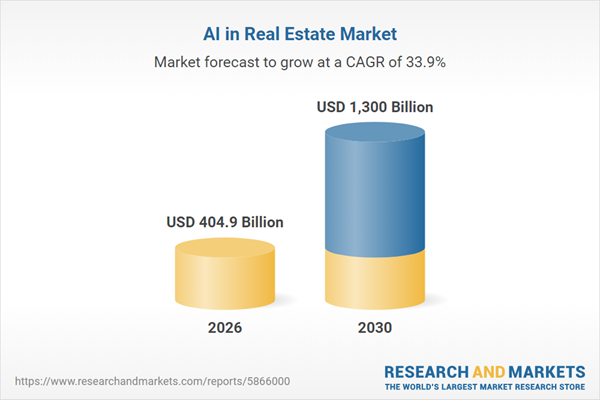
AI in real estate is growing fast, projected to jump from $301.58 billion in 2025 to $404.9 billion in 2026. That tells us one thing: this isn’t a trend; it’s becoming standard.
The Importance of Dynamic Pricing and Data-driven Optimization in Rentals
Why dynamic pricing matters for landlords
Dynamic pricing is one of the pricing models used in business, including real estate. It simply means adjusting rent based on real-time supply and demand. You’ve seen this before:
- Flights cost more on busy weekends
- Hotels charge more during peak seasons
- Airbnb’s Smart Pricing updates nightly rates

Rentals work the same way. You just haven’t had the tools until now.
Learn from Gregor Emmian, Deputy Chief Digital Growth Officer at Rise. From a digital growth perspective, he emphasizes that pricing performs best when it adapts to real-time renter behavior. Not fixed assumptions.
Emmian explains, “In fast-moving markets, timing matters just as much as pricing. When you adjust rates based on when renters are actively searching or ready to move, you increase your chances of converting interest into leases. The key is staying in sync with demand instead of reacting after the fact.”
What this means for your wallet
- Stable cash flow. You don’t want the highest rent. You want the right rent.
- Too high → longer vacancies
- Too low → lost income
Machine learning helps you find that “just right” price that keeps tenants longer (think 2–3+ years). This saves you thousands in turnover costs.
- Fewer expensive turnovers. Every vacancy costs you:
- Lost rent
- Cleaning/repairs
- Marketing time
Better pricing reduces churn. Keeping good tenants in place longer.
- Predictability. Instead of reacting late, you can:
- Prepare for slow seasons
- Adjust pricing before demand drops
- Plan ahead for peak leasing months
That means fewer surprises and smoother income month to month.
What data do you actually need?
You don’t need “big data” to start, but you do need the right data. Think quality over quantity. Clean, consistent, connected. That’s where data-driven property management becomes essential.
Strong rental pricing models typically use:
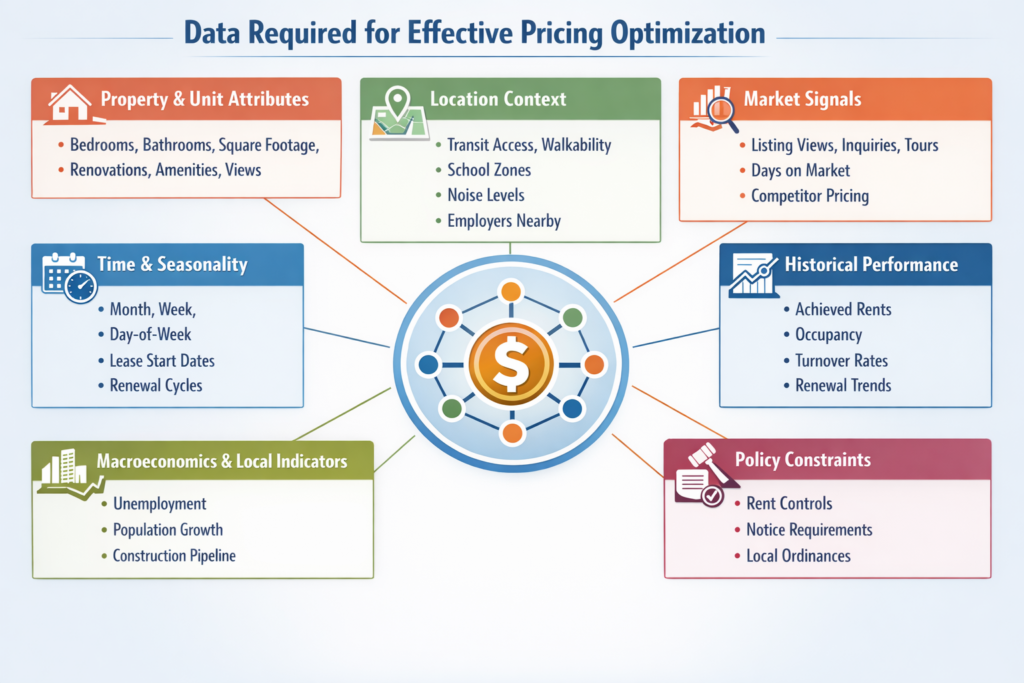
Image source: Generated via ChatGPT
- Property and unit attributes: bedrooms, bathrooms, square footage, renovations, in-unit laundry, parking, floor level, views
- Location context: transit access, walkability, school zones, noise levels, proximity to employers
- Market signals: listing views, inquiries, tours, applications, days on market, comp inventory, and pricing
- Time and seasonality: month, week, day-of-week, lease start dates, renewal cycles
- Lease terms and concessions: lease length, move-in specials, fees, included utilities
- Historical performance: actual achieved rents, occupancy, turnover times, renewal rates, concession burn
- Macroeconomics and local indicators: unemployment rates, population growth, construction pipeline
- Policy constraints: rent control or stabilization caps, notice requirements, and local ordinances
Christopher Skoropada, CEO of Appsvio, emphasizes the importance of structured and reliable data when building any intelligent system.
Skoropada shares, “Machine learning models are only as good as the data behind them. If your data is fragmented or inconsistent across systems, your outputs will be, too. But when your data is unified and well-structured, you can unlock far more accurate and actionable pricing insights.”
Data accuracy matters more than anything else. Inconsistent unit identifiers or missing concessions can throw off even the smartest model. If you fix only one thing this quarter, make sure it’s your data hygiene.
How To Use Machine Learning for Rental Pricing
Rolling out ML sounds intimidating, but the steps are straightforward once you break them down:
- Define your objective. Maximize revenue per available unit? Minimize days vacant? Balance both with guardrails? Clarity here sets up everything else.
- Collect and clean data. Centralize your property, leasing, sales, and marketing data. Also, standardize fields and handle missing values. Lastly, align unit IDs across systems.
- Engineer features. Translate raw inputs into useful signals. Price per square foot, comp distance, lead-to-lease conversion rate, seasonality flags, and renovation recency.
- Choose modeling approaches. Consider the following:
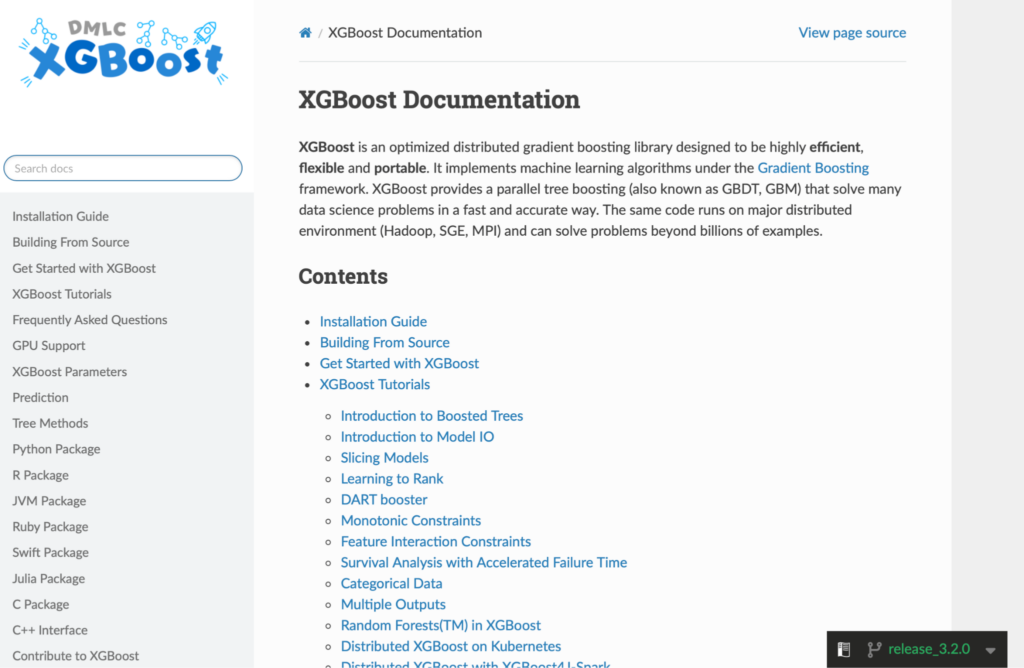
- Predictive models (regression and tree-based methods such as random forests or gradient boosting, e.g., XGBoost) estimate outcomes such as market rent or days-on-market.
- Time-series models forecast demand at the building or submarket level.
- Optimization and bandit methods recommend prices that balance occupancy and revenue under constraints.
- Train and validate. Split data into training/validation sets and use cross-validation. Likewise, track metrics like MAPE for price accuracy or conversion lift for market response.
- Simulate and set guardrails. Backtest strategies against historical periods. Set price floors/ceilings, concession limits, even compliance checks.
- Deploy with humans in the loop. Surface recommendations in an internal dashboard. Allow overrides with reason codes. And log outcomes for continuous learning.
- Test and iterate. A/B test pricing rules on a subset of units. Monitor drift and recalibrate regularly as the market shifts.
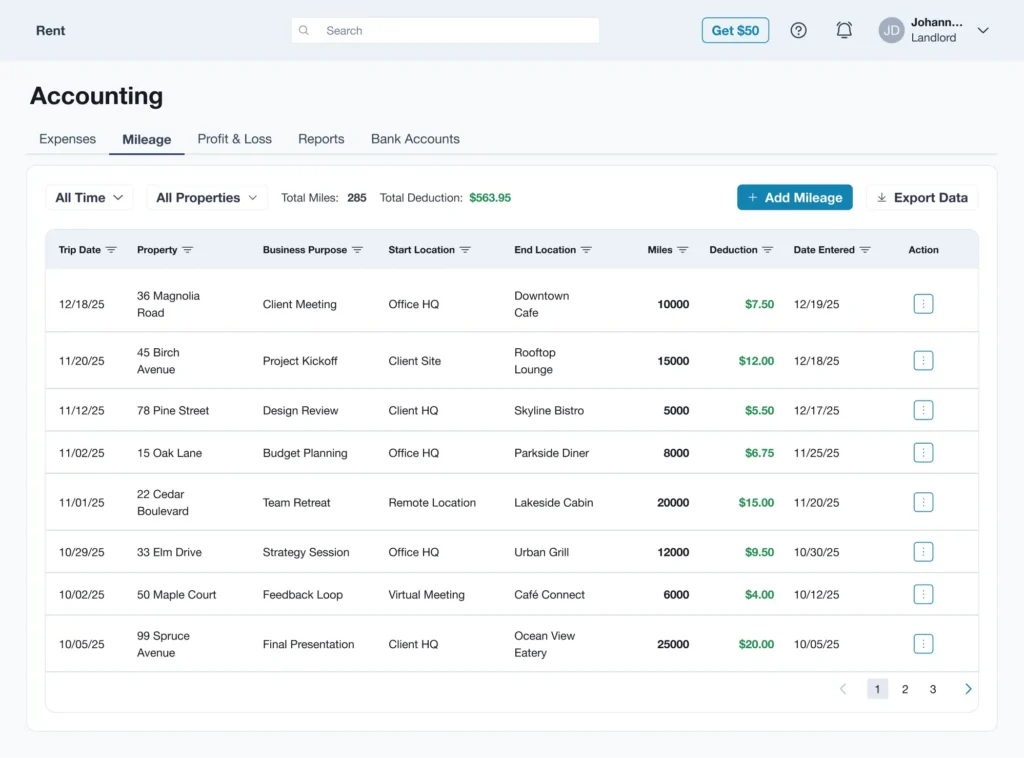
- Leverage tools and technologies. Take RentRedi’s property management platform. Specifically, this AI-powered tool can assist you in pricing your rental units or properties efficiently and strategically. It can also help you stay on top of your rental collections and reports.
Think of this as moving from a recipe to a smart oven. You still pick the ingredients and the target outcome, but the system handles temperature control in a changing kitchen.
AI/ML safety and vetting checklist
Not all tools are created equal. Use this checklist before choosing one:
- Data transparency: Does it explain why it suggested a price?
- Human-in-the-loop: Can you easily override the recommendation?
- Fair housing compliance: Does it avoid discriminatory pricing patterns?
- Data privacy and security: How is your tenant and property data stored?
- Ease of use: Can you actually understand and use it day-to-day?
If a tool feels like a “black box,” that’s a red flag. You should always stay in control.
ML Benefits and Considerations in Pricing Optimization
Potential benefits
- The immediate win is speed. Pricing decisions that once took hours of manual work can be updated daily or weekly with more consistency and less guesswork. Models adapt on their own as renter behavior changes (say, when a new employer moves into town or a transit line opens). You stay ahead rather than react months later.
- You also get clearer trade-offs. Want to shave two days off the average vacancy? The model can show you the expected revenue impact. Not just a hunch. Over time, that adds up. Fewer stale listings and sharper renewal offers. Even a better match between price and demand.
Learn from Wade O’Shea, Founder of BusCharter.com.au. He sees similar advantages in using data to optimize pricing and operations in transportation.
O’Shea notes, “When you’re managing fluctuating demand, timing and pricing decisions can’t rely on instinct alone. Data-driven systems help you respond faster and allocate resources more efficiently.
He concludes, “It’s not about replacing human judgment. It’s about giving it better inputs so you can make smarter calls with more confidence.”
Top considerations
The hardest part isn’t the math. It’s the change. There are real guardrails to respect:
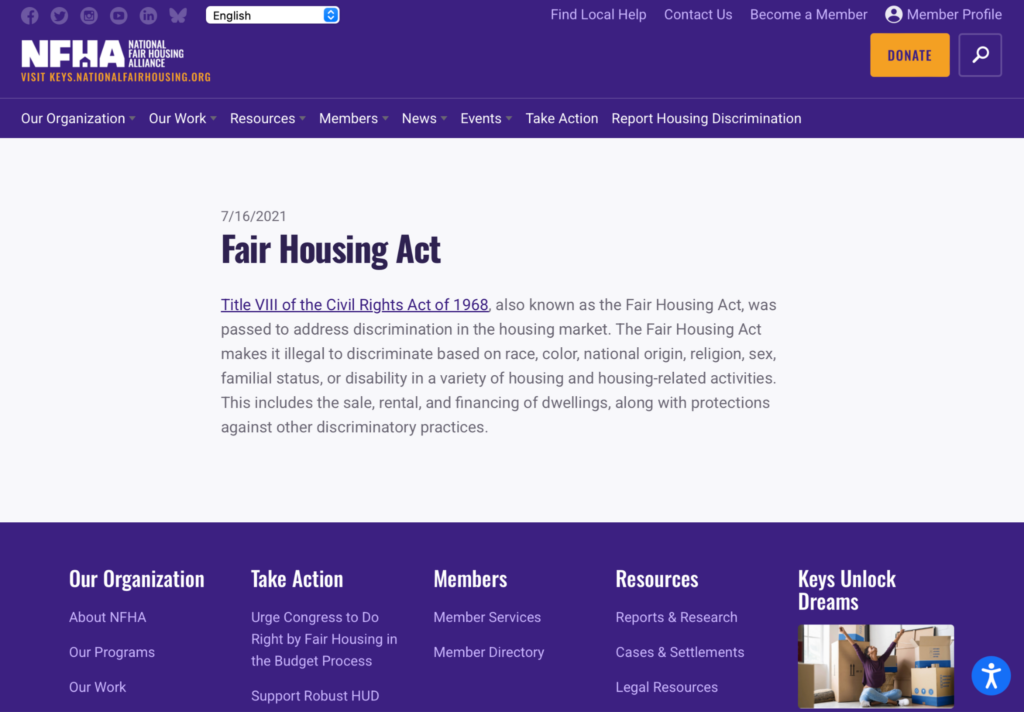
- Compliance and fairness. Follow rent control and stabilization rules where they apply, and uphold the Fair Housing Act. Good pricing doesn’t target people. It responds to market signals.
- Privacy and security. If you use resident or lead data, handle it responsibly and comply with privacy laws, such as the California Consumer Privacy Act (CCPA).
- Data quality and model drift. Markets change. Models degrade if they aren’t monitored and refreshed with new data. Set up routine checks for drift and performance.
- Upfront investment. You’ll invest time and some budget to stand up infrastructure, tools, training, and operations. Start small and prove value before you scale.
Treat these as design constraints rather than blockers. And you’ll build a system you can trust.
Final Words
Data-driven pricing turns a slow, manual process into something that adapts as the market changes.
It helps you keep units filled during slow periods and capture more income when demand rises. All while improving long-term stability.
Start with one property. Test what works. Scale when ready.
Over time, predictive pricing for landlords becomes less about “tech” and more about running a smarter, more profitable rental business.
What better way to optimize your rental pricing and collection than to use RentRedi’s property management platform? It can help you manage various aspects of your rental business, all in one place. Sign up now to get started!
Frequently Asked Questions (FAQ)
1. What is predictive pricing for landlords?
Predictive pricing uses data and software to estimate the best rental price based on demand, location, and timing. Thus, helping landlords stay competitive.
2. Do I need technical skills to use rental pricing tools?
No. Most modern rental property management tech is built for everyday landlords with simple dashboards and easy controls.
3. How does AI help maximize rental ROI?
AI helps you avoid underpricing and long vacancies. This leads to higher occupancy and better tenant retention. Most importantly, more consistent income over time.