
5 Essential Smart Home Technologies for Modern Rental Properties
Learn how smart home technology like smart locks and thermostats can reduce rental overhead, prevent property damage, and attract high-quality tenants.

There’s already a change in what tenants demand, thanks to technological growth.
For instance, three years ago, a large, manual padlock and key, along with some hefty, unbreakable promises, was a selling point. You mention or add it as a placeholder to your rental description, and it’ll snag up check-ins faster than expected.
But now, a tenant in their late twenties reads “no smart lock” the same way they read “no in-unit laundry.” While it might not be a dealbreaker for everyone, it’s a filter that sorts your properties faster than you realize.
According to Grand View Research, the U.S. smart home market was valued at $23.72 billion in 2024 and is projected to grow at a compound annual growth rate of 23.4% through 2030. That shows an increasing demand and a need your tenants expect you to meet.

In this article, we’ll cover which devices are worth adding, how to connect them to your day-to-day workflow, and what to sort out before you spend anything.
Benefits of Smart Home Technology for Rental Property ROI
The wins of smart home tech on your end are just as real, sometimes more immediate, as those on your tenant’s end. Here’s what that means:
It Catches Problems Before They Get Expensive
A leak sensor that pings your phone when water sits under a bathroom sink costs less than $30, whereas a water damage claim due to lack of a sensor can run anywhere from $3,000 to $12,000. That alone justifies the install before you’ve weighed anything else.
It Handles the Small Logistics That Eat Your Time
A contractor needs access to your rentals on a Thursday morning. The cleaner needs it before the next move-in. Your new tenant was locked out at 11 pm. In each of these cases, you’re either driving somewhere or making calls you didn’t plan for. If you’re using a smart lock, you can easily send a one-time code from your phone instead of going over in person.
It Pays for Itself Without Much Effort
Smart thermostats bring down heating and cooling bills so you don’t overuse and end up paying for more than you actually need. At the same time, smart locks cut recurring locksmith and rekeying costs. In most cases, the basics recoup their cost within a lease cycle or two, sometimes faster depending on your portfolio size.
It Adds to Your Rental Value
Eric Yohay, CEO & Founder at Outbound Consulting, a lead generation agency helping small businesses attract and convert better-fit clients, sees this play out across industries.
“The clients willing to pay more aren’t just looking for a service. They’re looking for something that solves their problem better than what they can find anywhere else. Smart home tech does exactly that for rental properties. A keyless entry system, a connected thermostat, and a camera at the front door. These aren’t luxuries anymore. They’re signals that tell a quality tenant this property is worth the asking price, and that you’re worth staying with.”
Top Smart Home Devices for Landlords and Tenants
There is a laundry list of smart home devices in the market, but start with what tenants notice and what gives you day-to-day control.
Smart Locks and Entry Systems
Keyless entry is probably the one device that touches the most recurring landlord problems at once. Access for vendors, turnovers, lockouts, self-guided tours, all of it gets easier when you can manage codes from your phone instead of coordinating keys.
You can set time-limited access for a cleaner or a maintenance tech, reset everything at turnover without scheduling anything, and revoke codes the moment a lease ends. In buildings with shared entries or package areas, smart locks also reduce the door-propping and unauthorized access that tends to creep in over time.
Jeffrey Zhou, CEO and Founder of Fig Loans, works daily with an audience that grew up expecting digital access to just work. “The people we serve don’t think twice about seamless technology. When something creates unnecessary friction, they move on. That expectation follows them into every part of their life, including where they choose to live. A landlord offering keyless entry is already communicating something about how they run things before a tenant even sees the unit.”
Smart Lighting
Motion-activated or scheduled lighting in hallways, laundry rooms, stairwells, and storage areas runs without anyone having to think about it. Lights come on when needed, go off when the space is empty. Tenants rarely need to mention or take an action once it’s running, which is kind of the point.
In furnished units, smart plugs handle lamps and smaller appliances remotely. The good side is that you can save up on electricity bills and conserve energy or have your space as you want it, whether you’re around or not. Besides, you can avoid issues where lights historically stay on all night in your or your tenant’s absence.
Smart Thermostats
Tenants who can control their own temperature from their phone don’t call you about the thermostat. If you’re covering utilities, the greater benefit comes during vacancy. You can set a safe minimum remotely instead of driving out to check a dial, which in winter can be the difference between a manageable bill and a burst pipe.
Nick Wiese, Regional Vice President at Alpha Heating & Air, an HVAC company serving homes and rentals in Bandon, Oregon, regularly installs and services smart thermostats.
“Most landlords don’t think about how much energy is spent during vacancy until the bill comes. That’s why we always advocate for smart, functional thermostats. You can set a safe minimum on your phone, and the unit takes care of itself. In the long run, and if you have multiple properties, each save adds up to something real on the monthly bill.”
ENERGY STAR-certified models are worth specifying when you shop. They hit efficiency standards without adding anything for the tenant to manage.
Security Cameras
Parking areas, lobbies, exterior entries, mailrooms, and package areas. These are the places where safety questions come up, and packages go missing, and that’s where your cameras must be.
If you’re ready to visit the market for one, cloud-connected camera systems are better options since they can alert you if a device goes offline or if something triggers at an unusual hour, so you don’t have to check in manually to confirm everything is working.
Another thing worth being clear on before you install anything is that common-area cameras are standard, and most tenants expect them. Cameras inside occupied units are a different matter entirely and cross legal and ethical lines in most jurisdictions, regardless of intent. So, have a placement policy written down and share it before move-in.
Key Considerations Before Investing in Smart Rental Tech
Three things are worth working through before you install anything:
Cost and Payback
Smart devices have an upfront cost, but most of them replace something you’re already paying for. Rekeying costs, locksmith callouts, energy bills during vacancy, and emergency plumbing from a leak that sat too long. These are recurring expenses that smart devices chip away at quietly over time.
Nick Wiese, Regional Vice President at Priority One Heating & Air Conditioning, a trusted HVAC company in Eugene, Oregon, regularly works with landlords on this calculation.
“The question is always about upfront cost. But the smarter question should be about what the alternative costs over time. A smart thermostat that prevents a burst pipe during a vacancy has already paid for itself several times over on that one event. Thinking about it this way makes your investment valuable both retrospectively and forward.”
If you cover utilities, savings land directly on your bottom line. If tenants cover utilities, lower bills still support retention and reduce the move-out conversations that come from high running costs. While the benefits might not be obvious instantly, you’re sure to notice them over the next few months.
Tenant Privacy and Written Policies
We’re in an era where data privacy is at the top of every tech user’s concerns. That’s why you should expect most tenants to ask what the devices you install will collect and what happens with that data.
Sometimes they’ll ask before signing, sometimes after something feels off. Either way, having a short written policy ready before anyone asks removes a friction point and saves you a ton of legal issues in the future.
Common-area cameras for safety, smart locks that log entry for security, and thermostats that tenants can manage themselves. All of that lands well when it’s explained clearly from day one. But if you’re going to be putting more than just these, ensure your tenants know in advance so they don’t feel monitored.
Maintenance Planning
Every device you install becomes part of the property’s infrastructure, so it needs ongoing attention, just like anything else. A simple process covers most of it:
Battery changes and firmware updates on a regular schedule, not just when something stops working
An asset log per unit with device type, serial number, install date, and admin credentials
A reset checklist at turnover so codes are clear, permissions are updated, and the next tenancy starts clean
You can involve your tenants in minor maintenance if they are okay with it and it does not breach their comfort.
Reviewing the Best Smart Home Devices for Rentals
Now that you know which major smart devices your rentals should have, here are a few options to help you hit the ground running.
Schlage Encode Plus Wi-Fi Smart Deadbolt
The Schlage Encode Plus connects directly to Wi-Fi without a separate hub, removing one potential failure point from your setup. It supports up to 100 unique access codes, each schedulable by day and time, so a cleaner’s code works on Monday mornings and automatically expires before your tenant returns.
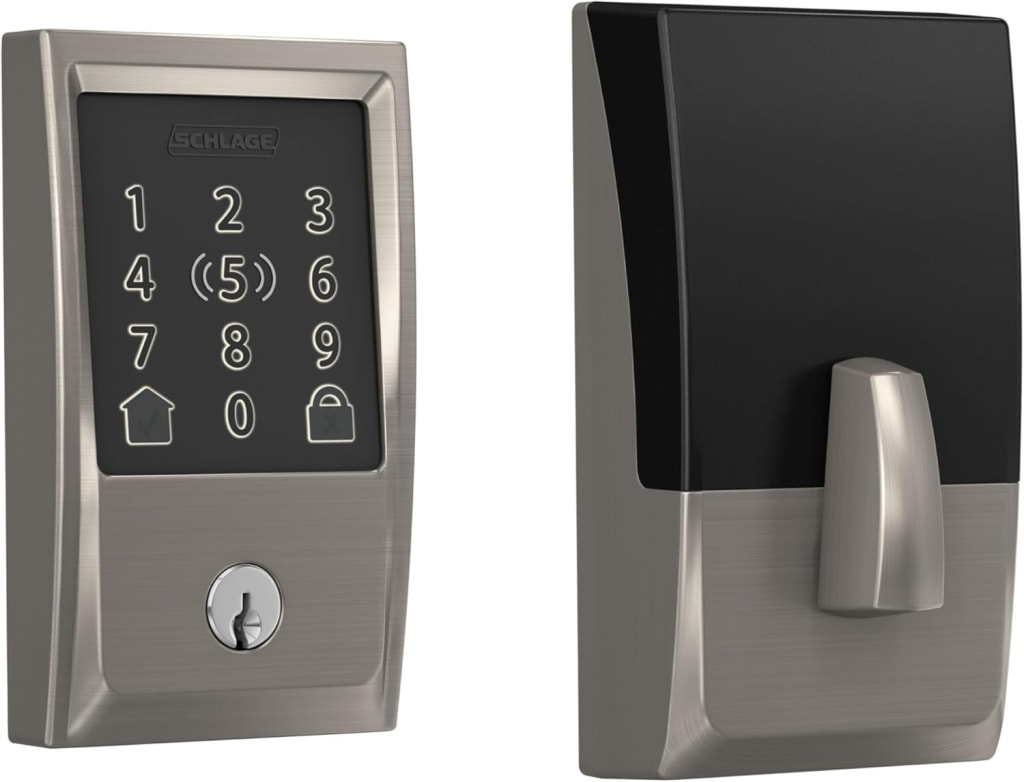
Also, it is BHMA Grade 1-certified for security, durability, and finish, and it carries a built-in tamper alarm that triggers upon forced entry. It works natively with Amazon Alexa, Google Assistant, Ring, and Airbnb’s access management system.
If you’re managing multiple units, the Schlage Home app lets you control and monitor every lock from one dashboard. Lock history logs every entry with a timestamp, so there’s a record if a dispute arises about access.
Ecobee Smart Thermostat Enhanced
The Ecobee Enhanced strikes the right balance for landlords, offering enough features to genuinely reduce energy costs without the learning-mode quirks that make the Nest frustrating in high-turnover units.

Nest rebuilds its schedule every time tenant behavior changes, creating unpredictable temperature swings between occupancies. Ecobee uses occupancy detection and geofencing to adjust automatically without relearning from scratch.
Remote access through the Ecobee app also lets you set a minimum temperature for a vacant unit from anywhere, protecting pipes without running the system at a living temperature. And it’s compatible with Alexa, Google Assistant, Apple HomeKit, and SmartThings, and works with 95% of HVAC systems.
Moen Flo Smart Water Leak Detector
The Moen Flo Smart Water Detector detects water contact through probes on the device body, plus an optional 4-foot extension cable for reaching behind appliances or under sinks. Beyond leak detection, it monitors ambient temperature and humidity, sending alerts when readings fall outside a range you define, making it a freeze warning in winter vacancies.

Notifications arrive by app, text, and email simultaneously.
Pairing it with the Flo Smart Water Monitor and Shutoff valve, sold separately and installed on the main line by a plumber, creates a system that automatically cuts water flow when a leak is detected, before you even see the notification.
For units without the shutoff valve, the standalone sensor still catches the problem early enough to call a vendor before drywall is involved.
Govee Wi-Fi Water Leak Detector H5054
For landlords fitting out multiple units on a tighter budget, the Govee H5054 delivers reliable detection at a fraction of the Moen’s price. A single hub connects up to 10 sensors, so one purchase covers an entire unit across the kitchen, bathroom, and laundry area.

The 100dB onboard alarm is loud enough to alert a tenant even if they’re in a back bedroom, and app push notifications fire within seconds of water contact. The Govee Home app supports both Alexa and Google Assistant.
The main trade-off compared to the Moen is that battery status reporting is inconsistent, so it’s worth setting a reminder on your maintenance calendar to check the batteries every 6 months. It also lacks temperature and humidity monitoring, so it won’t catch a freeze risk the way the Moen will.
Yale Assure Lock 2 Plus
The Yale Assure Lock 2 Plus suits multi-unit buildings and landlords who want more code flexibility than the Schlage. It supports up to 250 access codes, each with its own schedule, which matters when you’re managing vendor rotations, recurring cleaners, and multiple tenants in the same building.
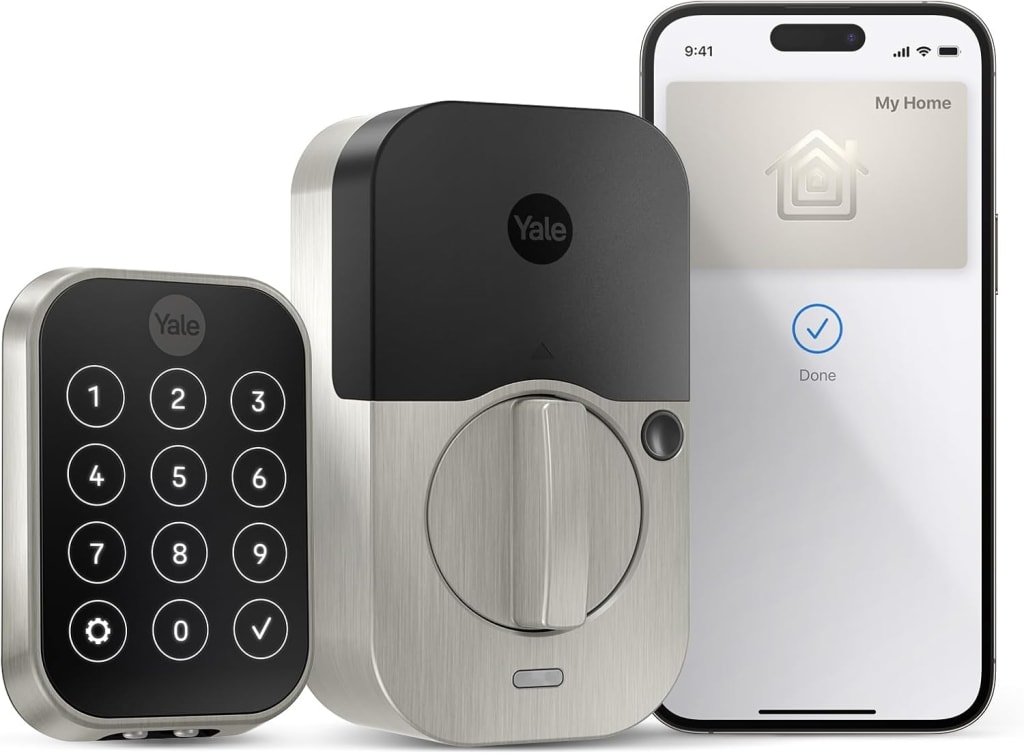
The Apple Home Key option lets tenants tap to unlock with an iPhone or Apple Watch, and the keypad provides backup entry if a phone dies or an app glitches. It connects via Wi-Fi without a hub and integrates with Yale Access, SmartThings, and Apple HomeKit.
For Airbnb-compatible or short-term rental properties, Yale’s native integration with Airbnb’s access management means access codes are generated and expire automatically with each booking, without manual management.
Streamlining Smart Home Management with RentRedi
Smart devices only create value when they feed into how you already manage your properties. And that’s where a maintenance management dashboard like Rentredi comes in.
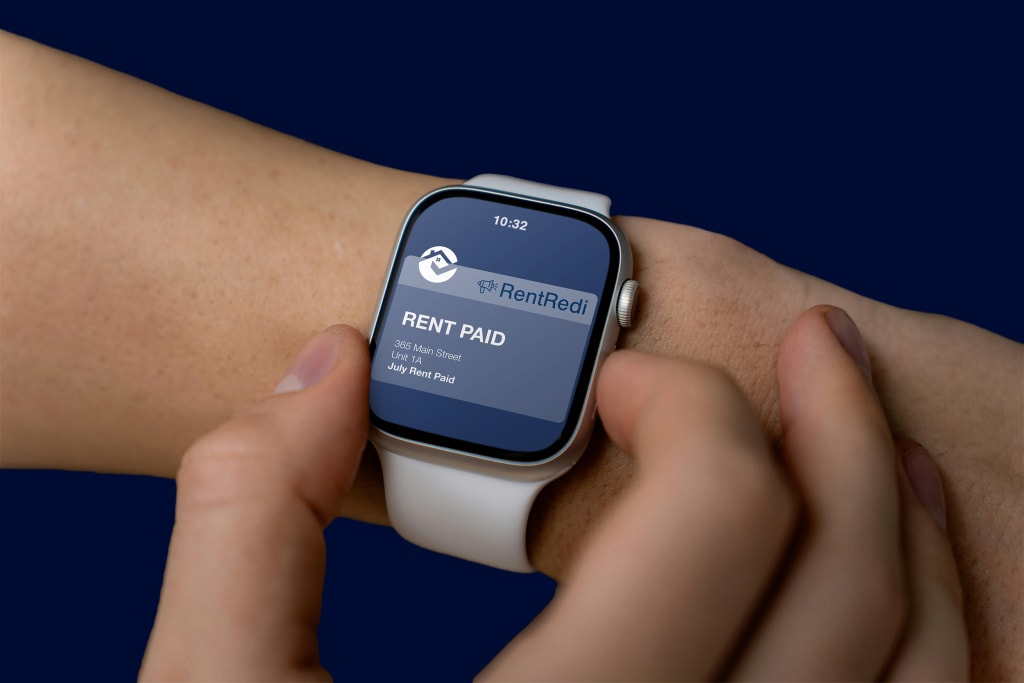
Maintenance requests with photos and videos submitted by tenants directly through the app, so every issue comes with context, not just a text message
Maintenance Chat for real-time two-way conversation between you, the tenant, and your vendor, with a documented thread from first report to resolution
Smart lock coordination that connects your access code workflow with your applicant communication flow, so self-guided tours and move-ins run without juggling separate tools
Rent collection via ACH and card with automatic reminders, so payment and maintenance management sit in the same system
In-app messaging for lease questions, move-in instructions, and update threads, all in one place instead of scattered across texts and emails
Bryan Henry, President at PeterMD, which offers telehealth care and personalized wellness plans, runs a fully remote care model, where behind-the-scenes coordination is essential to success.
He says, “When your systems are integrated, you stop reacting and start managing. You catch problems before they become complaints. You respond faster because the information is already in front of you. That makes everything easy for both you and your tenants while ensuring you save costs on the minor lags that a disjointed system would have cost you.”
Conclusion
Smart home technology reduces operational gaps that cost you time and money. This results in fewer locksmith calls, lower vacancy energy bills, maintenance issues caught before they escalate, and a move-in experience that tells quality tenants this property is well run.
To start, pick one building or a handful of units to start. Install smart locks and a thermostat, write down what you did, and connect what you can to RentRedi so the tech fits into how you already operate rather than sitting alongside it.
You can gradually scale up to more properties, stay lean on the techs you bring in, and ensure it doesn’t breach your tenants’ privacy.
