Quick Answer:
Tenant turnover can cost property owners thousands of dollars per unit when vacancy, marketing, cleaning, repairs, and leasing costs are combined. That’s why improving tenant satisfaction has become one of the most effective property management retention strategies.
Why the Tenant Experience Matters
Tenant experience used to be optional. Now it’s what separates full buildings from empty ones.
Tenant experience refers to every interaction residents have with a property. From move-in and maintenance requests to communication and lease renewals. A positive tenant experience encourages residents to stay longer and recommend your property to others.
Happy residents renew their leases. Higher tenant satisfaction also improves tenant retention and reduces costly turnover. Meanwhile, unhappy ones leave. The financial impact? Turnover costs thousands per unit in vacancy, repairs, cleaning, and marketing.
Tenant satisfaction drives renewals. It shapes online reviews. It determines how many maintenance tickets clog your queue. More importantly, it affects NOI and cash flow stability. Even how much you’ll spend on marketing!
This isn’t about expensive amenities. It’s about removing daily annoyances and getting the basics right. Keep reading to learn how to upgrade your tenant experience to increase renewals and reduce turnover.
Low-Cost Tenant Experience Upgrades vs. Potential Impact
Not every tenant experience upgrade requires a major investment. Many low-cost improvements can significantly increase tenant satisfaction and encourage lease renewals. Take a look at the table to understand the financial cost and impact of certain upgrades:
| Upgrade | Cost | Potential Impact |
|---|---|---|
| Online tenant portal | Low | Faster communication and higher tenant satisfaction |
| LED lighting | Low | Better safety and lower utility costs |
| Resident surveys | Low | Better feedback and improved lease renewals |
| Community events | Low–Medium | Stronger tenant retention and community engagement |
| Smart locks & thermostats | Medium | Better convenience and higher resident satisfaction |
Alex Byder, Founder of BD Homebuyer, emphasizes that improving the tenant experience doesn’t always require a large budget.
In his experience, low-cost upgrades often deliver the best return by keeping residents happy and encouraging them to renew their leases.
Byder says, “You don’t need expensive renovations to make a lasting impression. Small upgrades that improve convenience, comfort, and communication can have a big impact on tenant satisfaction. Over time, those improvements help reduce turnover and protect your rental income.”
The key is to focus on upgrades that deliver the greatest value for both your tenants and your rental business.
How To Improve Tenant Experience with Effective Upgrades
Improving tenant experience doesn’t always require major renovations or luxury amenities. Often, small upgrades make daily life easier and help residents feel valued.
Here are practical ways to create a better living experience that encourages lease renewals and reduces turnover.
1. Understand tenant needs
Want better renewals? Find out what residents actually want. Build simple systems to collect feedback, then use the patterns to fix problems. You need data-driven property management retention strategies that help improve tenant satisfaction over time.
Learn from Jason Ledbetter, Operator at Jason Ledbetter. He believes that understanding what tenants need is the first step to improving their experience. He says that regular feedback helps property owners identify small issues before they become bigger problems that affect lease renewals.
Ledbetter explains, “The best improvements start by listening to your tenants. Simple surveys and regular check-ins can uncover issues you might otherwise miss. When residents see their feedback leads to real changes, they’re more likely to stay for another lease.”
A few practical approaches:
- Survey residents three times a year: after move-in, mid-lease, before renewal. Keep surveys short and mobile-friendly.
- Mix checkboxes with one open-ended question. Numbers show trends, while comments explain them.
- Put QR codes in common areas. That way, residents can give feedback right after an event or improvement.
- Watch for repeating complaints. If “package room too crowded” or “parking lot too dark” keeps coming up, fix it. You don’t need expensive software to spot patterns. Just consistency.
Rank fixes by impact and ease. What helps the most people with the least disruption? Do those first, then tell residents what’s coming next.
2. Enhance living environments with modern amenities
Small upgrades to everyday items shape how residents feel about where they live. Think of smart home technologies, such as thermostats, locks, fixtures, and laundry. They offer the utmost convenience tenants deserve.
Start with visible wins:
- Smart thermostats cut utility bills and feel modern. ENERGY STAR-certified models save about 8% on heating and cooling.
- LED bulbs in units and hallways brighten spaces and lower energy costs.
- WaterSense fixtures reduce water bills. The EPA lists qualifying products.
- In-unit laundry or smart laundry alerts reduce wasted trips to the laundry room.
Also, sustainability features attract eco-conscious renters:
- Water bottle filling stations
- A few EV charging spots
- Bike storage that’s actually secure
- Recycling bins placed where people will use them.
These details make routines easier and show the property is current.
Good community spaces matter as well:
- A clean gym with decent ventilation
- A lounge that works for remote workers
- A dog wash that drains properly
Residents notice when these spaces function well. Properties that maintain them see higher use and better reviews.
3. Leverage technology for better communication
Communication builds or breaks trust. Missed messages create churn. Fast, clear updates do the opposite. Automated tenant communication is key.
Daniel Apke, Founder of Land Portal, understands how efficient communication helps property owners maintain positive tenant relationships and reduce turnover.
Apke says, “Whether you’re managing a single property or a growing portfolio, clear communication makes a noticeable difference in the tenant experience. Digital tools help streamline everything from maintenance updates to lease-related questions, giving residents the transparency and responsiveness they expect.
He adds, “When tenants can easily access information and stay informed, trust grows, and renewals often follow.”
What this looks like:
- One portal for everything: Think rent payment, maintenance requests with photos, status updates…all in one place!
- Automatic notifications: Text residents when you receive and close work orders.
- Office hours, policies, FAQs easy to find online: Fewer basic questions mean more time for complex issues.
Automation handles routine work, so your team can focus on people. Automatic reminders and maintenance SLAs keep operations smooth. That consistency shows up in how residents experience the property. They don’t care about your backend systems. Just that things work!
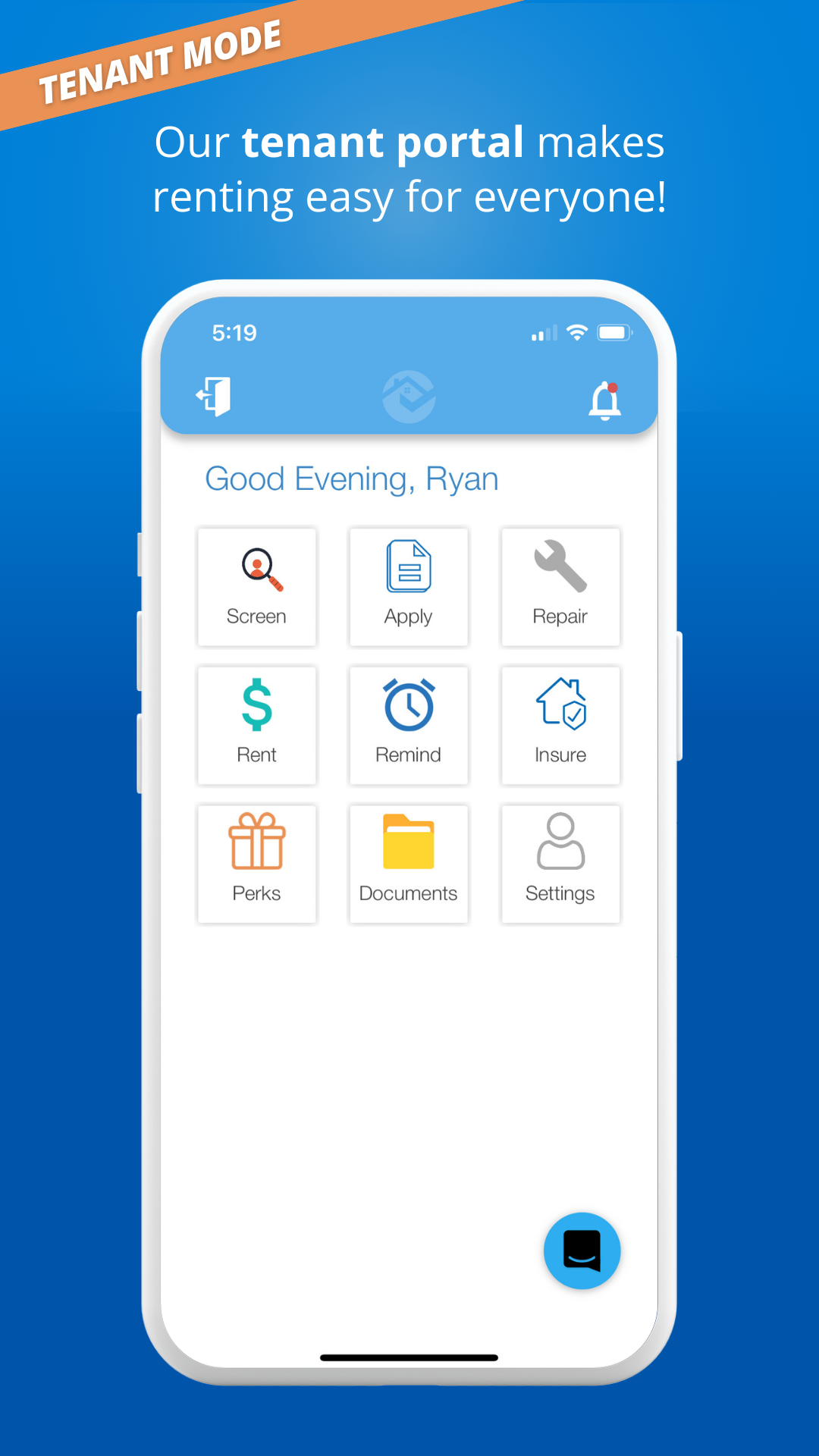
Take RentRedi’s mobile app for tenants, for instance. It allows them to set reminders and autopay, sign their lease and documents online, as well as request and track maintenance.
4. Build a community culture
Amenities attract tenants. The community keeps them. So boost tenant interest in your rental property and the entire community.
Regular events give residents a reason to get to know each other and your staff, which helps smooth over problems when they arise.
Community events do more than fill calendars. They create the social fabric that makes a property feel like home. When residents know their neighbors and feel connected to their community, they invest emotionally in their homes. That emotional investment translates directly into longer tenancies.
Keep it simple and regular:
- Monthly gatherings – coffee and bagels, food trucks, plant swaps, seasonal crafts
- Useful workshops – basic home repairs for renters, bike maintenance, safety talks with local police
- Local volunteer projects – coat drives, school supplies, pet adoption events with nearby shelters.
Support tenant-led groups with minimal red tape. If someone wants to start a book club or running group, give them a room and a sign-up link. When residents run their own activities, the culture becomes theirs. Not just management’s.
5. Ensure safety and security
Residents won’t care about amenities if they don’t feel safe walking from their car to their door. Security is a top priority for rental property upgrades.
Practical steps:
- Bright, even lighting in parking areas, walkways, and entries. The Campbell Collaboration found that improved street lighting reduces crime in multiple studies.
- Access control that’s easy for residents, hard for outsiders. Video intercoms and smart locks reduce tailgating and lost keys.
- Package lockers or a staffed package room with logs. The ultimate goal here is to prevent theft.
- Clear protocols for emergencies. Residents should know who to call and what happens next.
Good ventilation and filtration remain important for healthy buildings. ASHRAE Standard 241 addresses reducing infection risk through air quality.
By following CDC guidance for routine cleaning and effective disinfection, common areas stay hygienic. Touchless fixtures, hand sanitizer in busy areas, and regular deep cleaning show residents you’re paying attention.
Quick Wins to Improve Tenant Experience
If you’re looking for simple ways to improve tenant satisfaction this month, start with:
- Sending a resident satisfaction survey
- Enabling online rent payments and maintenance requests
- Improving lighting in common areas
- Hosting one small community event.
- Reviewing tenant feedback and fixing one recurring issue
Even small improvements can strengthen tenant retention and encourage more lease renewals over time.
Take it from David Lamulle, Owner of Lamulle Construction. He recommends focusing on practical upgrades that improve residents’ daily experience.
In his experience, small improvements are often more noticeable to tenants than costly renovations and can help build long-term satisfaction.
Lamulle shares, “You don’t have to renovate an entire property to make a difference. Simple upgrades like better lighting and quick repairs show tenants that you care about where they live. Those small improvements can go a long way toward encouraging residents to stay.”
Small upgrades like these can improve tenant satisfaction, thus strengthening lease renewals and reducing turnover over time.
Final Note: Strategic Investment in Tenant Experience
The upgrades that work aren’t flashy. They’re the ones that simplify daily life and reduce stress:
- Smarter thermostats and fixtures lower bills.
- Digital portals reduce friction.
- Community events strengthen tenant retention by helping residents feel connected to where they live.
- Security measures protect people and reputation.
These choices cut turnover and boost renewals, as you’ll see in occupancy rates and financials.
Every dollar spent on tenant experience should be viewed through the lens of lifetime value. Reducing turnover by even one month per unit annually can significantly affect your bottom line when you factor in vacancy costs, marketing expenses, unit preparation, and more.
Ultimately, smart upgrades that resonate with your tenants are among the highest ROI investments you can make. For smart property management, RentRedi can help. Sign up with your email to get started!
Frequently Asked Questions
1. How do you reduce tenant turnover?
Focus on the basics. Respond to maintenance requests quickly, communicate clearly, keep the property safe and well maintained, as well as make everyday tasks easier for tenants. A better experience encourages residents to stay longer.
2. What increases lease renewals?
Tenants are more likely to renew when they feel valued. Fast maintenance, clear communication, convenient technology, and small property upgrades all help improve lease renewals.
3. What tenant experience upgrades have the biggest impact?
Online rent payments, maintenance request portals, smart home features, better lighting and security, and clean shared spaces are some of the upgrades that make the biggest difference.
4. How does technology improve tenant satisfaction?
Technology makes renting easier. Tenants can pay rent online, submit maintenance requests, track updates, and access important documents…all from one place.
5. What are the best property management retention strategies?
Listen to tenant feedback, communicate regularly, respond to maintenance requests quickly, invest in practical upgrades, and use technology to simplify everyday tasks.
6. How often should landlords collect tenant feedback?
At least three times a year: after move-in, during the lease, before renewal. Regular feedback helps you spot issues early and make improvements.
7. Are community events worth the investment?
Yes. Even small events help residents feel more connected to the property and their neighbors. This can improve tenant satisfaction and encourage lease renewals.