How To Communicate Effectively With Spanish-Speaking Tenants As a Landlord
Effective communication is the cornerstone of any good landlord-tenant relationship. This is especially true in the United States, where millions of renters speak Spanish as their primary language. Approximately 45 million U.S. residents speak Spanish at home. Bridging language gaps isn’t just a nice-to-have skill. It’s an essential part of providing good service and maintaining […]
Effective communication is the cornerstone of any good landlord-tenant relationship. This is especially true in the United States, where millions of renters speak Spanish as their primary language. Approximately 45 million U.S. residents speak Spanish at home. Bridging language gaps isn’t just a nice-to-have skill. It’s an essential part of providing good service and maintaining positive rental dynamics. Communicating clearly and respectfully across languages can prevent misunderstandings, strengthen trust, and ensure all parties understand their rights and responsibilities. When communicating with Spanish tenants, a proactive approach will set the stage for smooth interactions and mutual respect. In this article, we’ll explore rental communication strategies and techniques to help landlords connect with Spanish-speaking tenants effectively.

Understanding Language and Cultural Sensitivity in Landlord-Tenant Communications
It’s important to recognize how isolating a language barrier can be for a tenant. A renter with limited English proficiency might feel anxiety about reporting a repair issue or asking a question, simply because they’re unsure they’ll be understood. This uncertainty can erode trust over time. As a landlord, acknowledging language differences and taking steps to mitigate them can immediately put the tenant at ease. Make it clear that you are willing to communicate in whatever way is most clear: whether that means speaking slowly in English, writing things down, or finding a translator when needed. When tenants see you making an honest effort, they are more likely to be forthcoming about issues on the property and more receptive to your requests as well. This mutual understanding feeds directly into a healthier rental environment. Treating language accommodation as part of your service can enhance transparency and strengthen the overall landlord and tenant relationship, benefiting both parties.
Miscommunication can have real consequences. A minor misunderstanding regarding a lease clause or notice could escalate into disputes or even legal issues if not resolved. By prioritizing clarity from the start, landlords can prevent many common issues. The goal is to ensure both you and the tenant walk away from any conversation with a mutual understanding.
Leveraging Technology and Tools for Bilingual Communication
Modern technology can be a landlord’s best ally in breaking the language barrier. Today, there are many online rent payment apps and management platforms that streamline communication, some with built-in multilingual support. Embracing one that offers bilingual functionality can dramatically simplify interactions with Spanish-speaking tenants. For example, a comprehensive residential property management software for landlords may allow you to send out announcements or reminders in both English and Spanish with a click of a button. It can also provide tenants with a portal or app interface that displays in Spanish on their phone.

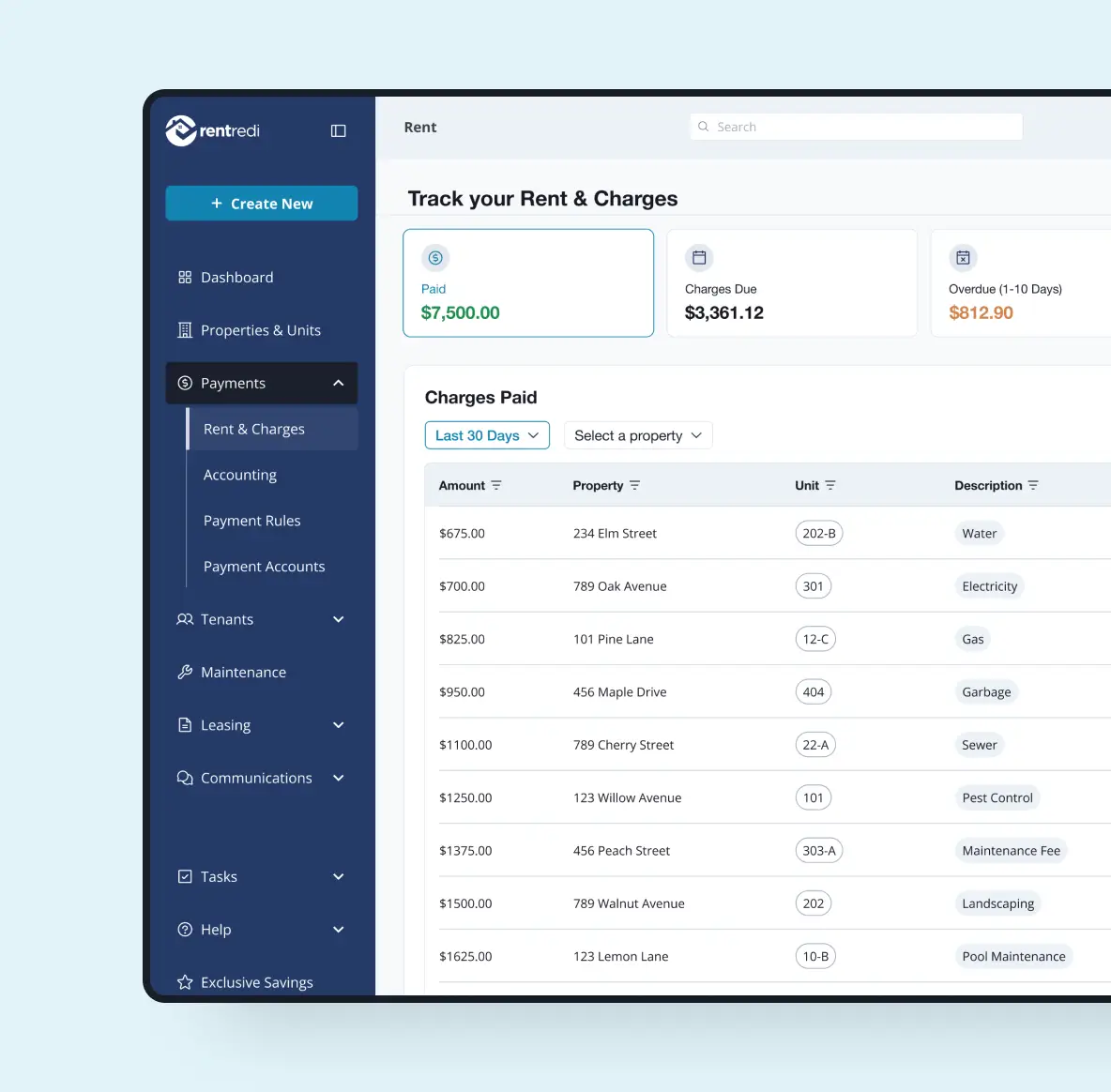
Adopting a multilingual property management app for landlords can transform how you handle everything from rent collection to maintenance requests. Many of these platforms now recognize the need for language accessibility. For instance, RentRedi is a leading Spanish landlord app solution that provides an all-in-one platform for landlords and offers a fully translated tenant-side app experience. With RentRedi’s system, when tenants set their phone language to Spanish, the entire interface appears in Spanish automatically. This means tenants can read announcements, see payment due dates, submit maintenance tickets, and correspond with you through in-app chat, all in their native language, without extra steps or confusion.
Meanwhile, you, as the landlord, can continue using the platform in English. The messages and requests you receive are translated back to English on your dashboard, creating a seamless two-way communication channel. By using a Spanish rent collection app or management platform with these capabilities, you effectively eliminate the language barrier in the day-to-day operations. Tenants don’t have to struggle with English-only software or paperwork. They can confidently navigate their rental tasks, which leads to fewer mistakes and fewer unanswered questions. Leveraging a landlord property management app or software that is designed with multilingual support creates a win-win: tenants get a user-friendly experience in Spanish, and landlords get a more efficient, error-free workflow.
You don’t need a large real estate empire to take advantage of these tools. Even independent owners and small portfolio landlords can benefit from property management software for small landlords that offer multilingual features. These solutions are typically user-friendly and cost-effective, often delivered as mobile apps or cloud services that don’t require extensive technical expertise. As a small landlord, using technology can make you appear just as professional and responsive as bigger operators. Tenants will appreciate conveniences such as the ability to view their payment history or maintenance requests in Spanish online at any time. Embracing a dual language property management approach means treating your tenants as valued clients and using a system to manage relationships thoughtfully.

Building Trust and Long-Term Relationships Through Communication
Prioritizing effective landlord communication tips with Spanish-speaking tenants yields benefits far beyond day-to-day convenience. It helps cultivate a positive reputation and tenant loyalty for your rental business. Let’s highlight some of the broader outcomes that come from implementing the tenant communication best practices we’ve covered:
- Higher Tenant Satisfaction and Retention: When renters feel their needs and concerns can be heard at any time, they develop a sense of trust in you as a landlord. They know they can call about a leaky faucet or send a message about a rent question and get a response that makes sense to them. This reliability and responsiveness make tenants more comfortable and happy in their homes. Satisfied tenants are far more inclined to stay when their lease is up for renewal. Proactive communication by landlords can increase tenant retention by up to 20%. That is a significant boost. It means fewer turnovers, less downtime, and reduced costs associated with marketing and refurbishing units.
- Fewer Conflicts and Easier Conflict Resolution: Good communication habits act as a preventative medicine against conflicts. Many landlord-tenant disputes start with a simple miscommunication that snowballs. By ensuring everything is clearly explained and checking in regularly, you catch issues early or avoid them entirely. When disagreements arise, an established line of communication makes resolution easier. If you’ve built rapport with your Spanish-speaking tenants, they’re more likely to come to you with a problem before it becomes a crisis. You can then address it collaboratively.
- Enhanced Property Care and Cooperation: When tenants fully understand how to care for the property and why it matters, they are more likely to follow through. Language shouldn’t be the reason a tenant fails to, say, clean the lint filter in the dryer or report a small leak under the sink. By communicating these expectations in Spanish using RentRedi’s Spanish app for tenants, you ensure the message is received. Moreover, a tenant who feels respected often reciprocates that respect by treating your property with care. They see themselves as partners in maintaining a good home.
- Professional Growth and Reputation: Mastering communication with Spanish-speaking tenants contributes to your growth as a landlord and bolsters your reputation in the community. If you are known as a landlord who is managing Spanish tenants with respect and efficiency, you’ll find it easier to fill vacancies. Spanish-speaking communities, like any others, often share referrals. Your current tenants might recommend your rentals to friends or family precisely because they know you’ll treat them well and communicate clearly. In an age of online reviews and social media, being recognized as a considerate, culturally competent landlord is a competitive advantage.
These skills prepare you for an increasingly diverse market. By developing strategies for Spanish-speaking tenants, your adaptability and people-first approach can align closely with what today’s renters expect from property owners and managers.