A Complete Guide to Property Management Maintenance
Managing maintenance is one of the biggest challenges for independent landlords. Many find that tasks like advertising units or collecting rent are straightforward compared to the complexities of rental property maintenance. From leaky faucets and faulty appliances to routine inspections and emergency repairs, maintenance demands time, organization, and know-how. However, keeping up with maintenance isn’t […]
Managing maintenance is one of the biggest challenges for independent landlords. Many find that tasks like advertising units or collecting rent are straightforward compared to the complexities of rental property maintenance. From leaky faucets and faulty appliances to routine inspections and emergency repairs, maintenance demands time, organization, and know-how. However, keeping up with maintenance isn’t just about fixing things. It’s about protecting your investment, keeping tenants satisfied, and preventing minor issues from escalating into costly problems. This comprehensive guide will help independent landlords master the maintenance and property management side of landlording. Along the way, we’ll also share property management tips and actionable insights so you can confidently preserve your property’s value and keep your rentals running smoothly.
Why Maintenance Matters in Property Management
Effective maintenance is the backbone of successful property management. At a basic level, well-maintained rentals attract quality tenants and retain them longer, while neglected properties drive renters away. Unresolved real estate maintenance issues and slow repairs are a top reason tenants decide not to renew leases. A dripping pipe or broken heater that goes unfixed not only frustrates your tenants but also risks serious damage over time. Staying on top of upkeep gives tenants fewer reasons to complain or leave, and it safeguards your rental income.
Maintenance also directly impacts your property’s long-term value. Regular care, like painting, landscaping, and servicing HVAC systems, keeps the property in good condition and increases property value over time. You avoid the steep costs of deferred maintenance, such as replacing an entire roof due to minor leaks ignored. Plus, real property management software experts note that excellent maintenance makes other aspects of management easier: high-quality upkeep leads to fewer vacancies, fewer emergency calls, and a better reputation that attracts reliable tenants. Proactive maintenance helps you dodge legal troubles. Landlords are legally required to keep rentals habitable and safe, which means maintaining essential systems and complying with health and safety codes. Failing to meet these obligations can result in fines or tenants withholding rent.

Landlord vs. Tenant Maintenance Responsibilities
Understanding who is responsible for what maintenance task is key to avoiding conflicts and ensuring nothing falls through the cracks. Landlords are responsible for the big-picture maintenance that keeps the property safe and livable. This includes structural repairs, keeping building maintenance checklist items up to code, and fixing or replacing any provided appliances or major systems that break. Landlords can lay out maintenance responsibilities in the lease to clarify these duties for tenants. Under the implied “warranty of habitability” in most jurisdictions, you, as the landlord, must promptly address issues that affect health or safety. Tenants, on the other hand, are typically responsible for minor upkeep and for reporting problems. Common tenant duties include things like changing light bulbs or HVAC filters, keeping the property clean to prevent pest infestations, and notifying the landlord quickly about any repair needs.
It’s wise to outline maintenance responsibilities clearly in your rental agreement. For example, you might state that tenants must promptly report plumbing leaks and refrain from attempting major repairs themselves. Meanwhile, you commit to addressing reported issues within a reasonable timeframe. By setting these expectations up front, both parties know how to work together to keep the property in good shape. Good communication is essential. If an issue arises due to tenant neglect or misuse, leases often stipulate that tenants bear the cost. But for most wear-and-tear or system failures, the landlord should take action. Maintenance and property management duties are shared, but the landlord bears the primary responsibility for ensuring the rental is safe and habitable.
Preventative vs. Reactive Maintenance
When it comes to property upkeep, an ounce of prevention is worth a pound of cure. There are two main approaches to maintenance: reactive and preventative. Reactive maintenance is unavoidable for sudden issues. Preventative maintenance, by contrast, is a strategic approach that landlords should prioritize. A preventative maintenance plan involves regular inspections and scheduled servicing of your property’s systems and components so you can catch small problems before they escalate.
Preventative vs. Reactive Maintenance at a Glance
| Maintenance Approach | Description | Examples | Impact on Costs & Tenants |
| Preventative Maintenance | Proactive, scheduled upkeep to prevent issues before they occur. Often done at regular intervals (monthly, seasonal, annual). | Cleaning gutters; Changing HVAC filters; Regularly inspecting for leaks or wear; Servicing appliances. | Lower long-term costs: avoids major repairs by catching issues early. Improves safety and reliability. Tenants: experience fewer disruptions and feel cared for, boosting satisfaction. |
| Reactive Maintenance | Fixes and repairs are done after something breaks or malfunctions. Addressed as issues arise, often urgently. | Repairing a burst pipe; Replacing a broken water heater, and fixing a roof leak after a storm. | Higher immediate costs: emergencies can be expensive (rush fees, extensive damage). Tenants may be inconvenienced or upset by sudden outages or delays during repairs. |
As the table above illustrates, prioritizing preventative tasks can greatly reduce the need for reactive fixes. Of course, you’ll never eliminate reactive maintenance entirely, but you can minimize it. A successful preventative maintenance schedule includes both routine property management tips and less frequent tasks. Many landlords find it helpful to create seasonal checklists to organize these duties. Here’s a quick maintenance checklist by season:
- Spring: Inspect roof and gutters after winter, service the air conditioning, test sump pumps, touch up exterior paint, trim overgrown landscaping.
- Summer: Test and service irrigation systems, check for pest infestations, clean or replace window screens, and ensure the lawn and outdoor areas are well-maintained.
- Fall: Clean gutters and downspouts. Service the heating system or furnace. Check weatherstripping on doors and windows. Winterize exterior spigots and sprinkler systems.
- Winter: Inspect for ice dams or snow buildup on the roof; check indoor areas for signs of moisture or leaks. Test smoke/CO detectors (again). Plan any large upcoming spring projects.
A checklist helps ensure no critical task is overlooked. It’s also a good idea to document each completed task. Note the date, what was done, and any findings. This record-keeping provides proof of diligent maintenance and helps you track when something was last serviced. If you’re managing multiple properties, consider using a digital tool to keep track of all these recurring tasks and set reminders.
Streamlining Maintenance with Technology and Software
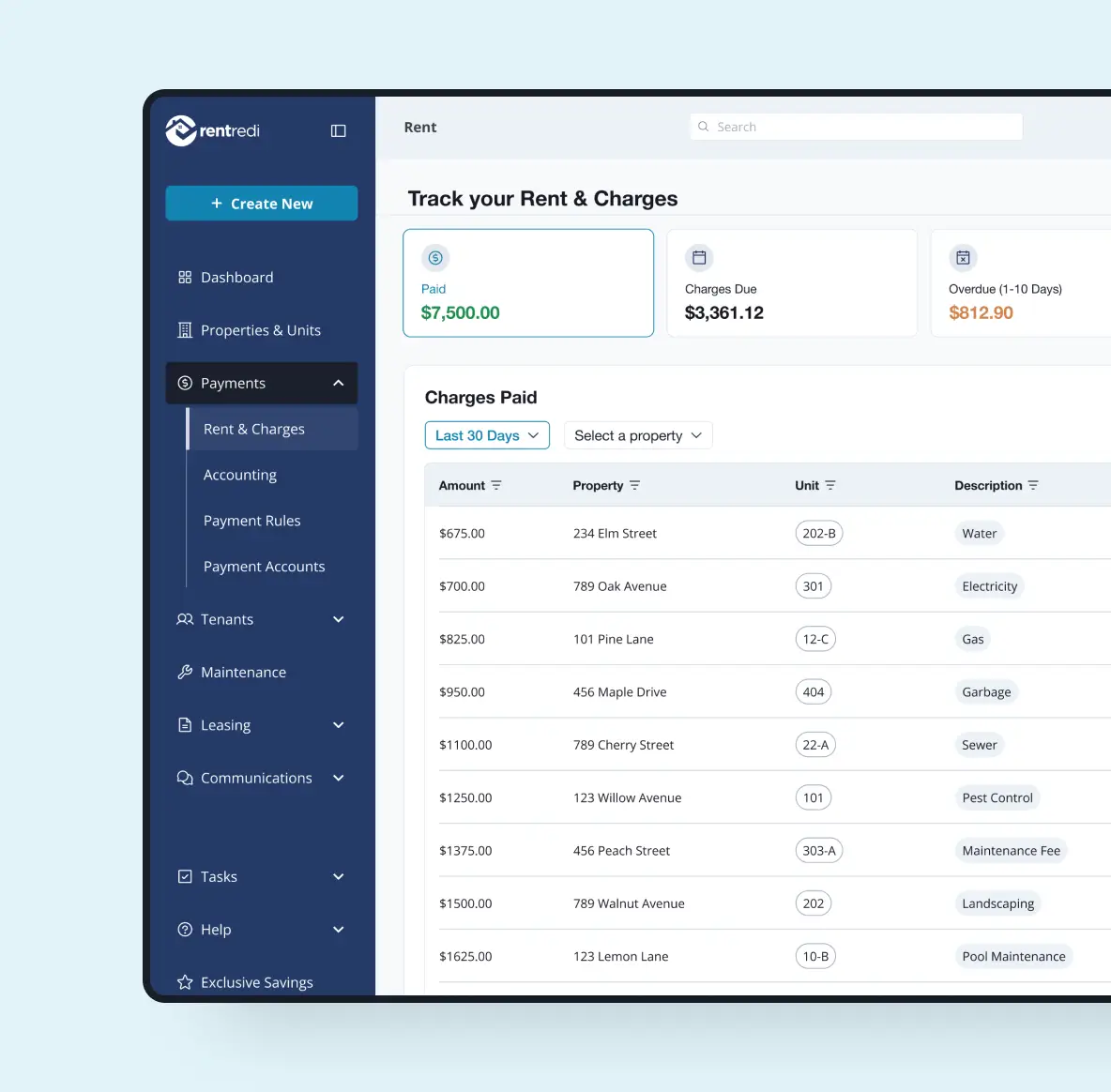
Modern technology offers independent landlords powerful tools to simplify maintenance. Rather than juggling phone calls, paper checklists, and memory, you can turn to property management applications designed to centralize maintenance tasks. A good system lets you handle work orders, tenant communications, contractor scheduling, and even expense tracking all in one place. It serves as a digital hub for your maintenance operations. Many of the best options on the market include built-in maintenance modules. With a property management app on your phone or computer, you can receive maintenance requests instantly, assign them to your handyman or a vendor, monitor the status, and keep a log of all actions taken.

One major benefit of using software is improved responsiveness and record-keeping. Tenants today expect convenience, and with an online property management system software, they can report issues 24/7 through a tenant portal or app. A renter can log into your portal at midnight to submit a repair request. The system will timestamp and organize the request, ensuring you see it and nothing gets lost in a text or email. Online property management software allows tenants to submit maintenance requests at any time, enabling faster reporting and addressing of issues. As soon as a request comes in, you get a notification. You can then create a work order, assign it to a contractor, and even notify the tenant of the scheduled repair date through the app. Keeping all parties informed greatly enhances tenant satisfaction. No more phone tag or misplaced sticky notes. Everything is tracked in the software.
Using a dedicated real estate property management software solution like RentRedi can greatly streamline this process. In RentRedi’s app, tenants can even upload a quick 5-second video of the issue, giving you a clear idea of the problem before you or a contractor arrives. The property management app manages all work orders internally, and you can add your maintenance team or preferred vendors to the system for free. They’ll get notified of assignments and can update the job status via their portal, so you always know what’s happening.
Such a system drastically reduces the administrative burden of maintenance. Instead of fielding calls and trying to remember if you called the plumber, you have a dashboard showing every open request, in-progress job, and completed repair. Maintenance requests and updates are logged digitally, so you have a complete history at your fingertips. This not only saves you time but also creates a paper trail for each repair.
Another advantage is automation. Good real estate software property management platforms send reminders for preventive tasks and can even auto-schedule recurring services. Many systems also integrate with communication tools, so tenants automatically receive a message such as “Maintenance has been scheduled for your unit on Tuesday at 10 am.” Some of the best property management software for maintenance will allow you to track inventory of supplies, manage vendor contacts, and generate reports on maintenance costs over time. This level of organization is hard to achieve with manual methods.
Integrating Maintenance and Bookkeeping
An often overlooked aspect of maintenance management is the financial side: tracking what you spend on repairs and upkeep. Each time you make a repair, you should log the expense. Modern landlord apps often include expense tracking or full bookkeeping modules that let you categorize repair costs, attach receipts, and link them to a specific property/unit. By using one of these maintenance property management applications, you gain real-time insight into how much maintenance is eating into your rental income.
Using software as your maintenance management assistant also helps you identify patterns. You might notice one property has far higher repair costs, signaling an underlying issue or that the major system’s end-of-life is near. Or you might find that investing in preventive maintenance is saving you money by reducing emergency breakdowns. Technology and property maintenance software can be a landlord’s best friend.
Budgeting for Maintenance and Keeping Records
Property maintenance isn’t only about responding to repairs. It’s also about financial planning. Seasoned landlords know that you must set aside funds for ongoing maintenance and unexpected fixes. A common question is, “How much should I budget for maintenance on my rental property?” While the exact number depends on your property’s age, condition, and features, there are a few tried-and-true guidelines to help you plan a maintenance budget.
One popular rule of thumb is the “1% rule”: allocate at least 1% of your property’s value per year for maintenance. If your rental home is worth $250,000, plan for around $2,500 annually in upkeep costs. Some experts also express this as budgeting about $1 per square foot of your rental each year. Another approach is to save a percentage of your rental income. Many landlords set aside roughly 5% to 10% of the monthly rent towards a maintenance reserve fund. More conservatively, some use 15% or even higher if the property is older or has aging systems. Reserving roughly 1%–4% of the property’s value for annual maintenance, reflecting that older homes may need towards the higher end. If your property rents for $1,500 per month, 10% would mean saving $150 per month for future repairs. There’s also the “50% rule” in real estate investing, which isn’t strictly about maintenance but says that about half of your rental income will go to operating expenses. However you estimate it, the key is to consistently put money aside so that when a big expense comes, you have the funds on hand.
Record-keeping goes hand in hand with budgeting. As emphasized previously, keep a log of every maintenance activity and expense. This can be as simple as a spreadsheet or as advanced as using property management bookkeeping software that’s part of your management system. Note the date of each repair, what was done, who did it, and the cost. There are several benefits to tracking this diligently:
- Financial control: You can see how much you’re spending on maintenance relative to income. If costs seem too high, you might re-evaluate whether some fixes can be done more cost-effectively or if a particular unit is unusually expensive.
- Tax preparation: Come tax season, you’ll want to deduct allowable repair and maintenance expenses. Having them all documented will make filing much easier and substantiate your deductions in case of an audit.
- Property history: Detailed maintenance records increase your property’s value to a future buyer. They demonstrate that the property has been well cared for. If selling, you can show a buyer a log of all improvements and upkeep. Even for yourself, if you have a handyman or property manager take over, those records let them know what’s been done and when.
- Warranty and insurance claims: Documentation is useful for any warranty claims or insurance claims if damage occurs. You’ll have proof of maintenance, which can support your case.
- Decision-making: Over time, your records might reveal it’s more economical to replace an aging appliance that’s been fixed multiple times, or to upgrade to more durable materials. It takes the guesswork out of “didn’t we just fix this?” because you’ll know exactly how often something has broken.
Budgeting and tracking can be made easier with the help of tools or apps. If you’re using a property management system like RentRedi, take advantage of any expense-tracking or analytics features. Some systems allow you to run reports on maintenance expenses by property or by time period. A landlord who budgets wisely for maintenance will be able to handle surprise repairs without it hurting their overall profitability.
Best Practices and Tips for Maintenance Success
Maintenance doesn’t have to be chaotic or overwhelming. By following some tried-and-true best practices, you can keep your rental property in top shape and your tenants satisfied. Here are essential property management tips for mastering maintenance:
- Plan Ahead with a Schedule: Proactively schedule routine inspections and upkeep. Mark your calendar for seasonal tasks. Having a maintenance calendar ensures you perform each task at the optimal time and prevents you from forgetting important checks. Stick to a schedule, and you’ll reduce emergency calls and extend the life of your property’s components.
- Use Checklists to Stay Organized: As mentioned, checklists help make your maintenance approach systematic. Afterward, address the noted items or plan repairs as needed. You can use digital forms or apps to log checklist results, which can be stored in your system. RentRedi’s document storage lets you save inspection reports and have tenants sign off if they were present during an inspection.
- Respond Quickly to Maintenance Requests: Time is of the essence when a tenant reports a problem. Make it a habit to address repair requests promptly. Quick response not only prevents further damage but also shows tenants you care, which boosts their satisfaction. Even if you can’t fix something the same day, communicate a timeline to the tenant.
- Know When to DIY and When to Hire Pros: It’s great to be handy and save money on simple fixes. However, be honest about your skill limits. Don’t DIY beyond your expertise, especially for tasks involving electrical wiring, major plumbing, roofing, or anything that could create a safety hazard or further damage. Hiring a licensed professional for complex jobs is worth the cost. It ensures the repair is done correctly and safely the first time. Moreover, certain repairs may legally require licensed contractors. Knowing when to call a professional will save you headaches and liability in the long run.
- Plan for Emergencies: No matter how well you plan, emergencies will happen. Have a 24/7 emergency plan in place. If you manage properties yourself, decide how tenants can reach you after hours for true emergencies. If you cannot be on call, consider arranging emergency maintenance service or a contractor who can respond on your behalf. Services like RentRedi’s 24/7 Maintenance offer the ability to handle those midnight calls. They’ll troubleshoot with tenants and dispatch contractors as needed. Even if you don’t use a service, identify local emergency plumbers, HVAC techs, and restoration companies, and keep their contacts handy.
By following these best practices, you’ll create a maintenance system that runs like a well-oiled machine. The goal is to be proactive, organized, and responsive. Not only will this save you money and protect your property value, but it will also lead to happier tenants. will this save you money and protect your property value, but it will also lead to happier tenants.

A well-maintained property is the cornerstone of successful property management. It’s about creating a home environment where tenants feel comfortable and cared for, and where your asset is steadily growing in value. With the guidance and preventive maintenance schedule outlined in this guide, independent landlords can confidently tackle maintenance challenges head-on. By doing so, you’ll ensure your rental business remains primed for long-term success.
Sources
- The Balance – “10 Common Reasons Renters Move.” Erin Eberlin, The Balance, June 13, 2024. (Noting that unresolved maintenance issues can push tenants to leave if not addressed promptly).
Capterra – “Property Management Software Benefits and Challenges.” Capterra Blog, July 22, 2024. (Advantages of property management software for maintenance, e.g., 24/7 online maintenance requests and streamlined work orders).