RentRedi vs. TenantCloud: Which Is Better for Landlords?

TenantCloud prices by active lease count and gates key tools behind higher tiers. See how RentRedi's flat, unlimited plan compares on price and features.

14 min read
Comparison

RentRedi vs. TenantCloud: A Complete Guide For You To Decide

TenantCloud is an affordable platform for small landlords, but its plans are capped by the number of active leases and several core tools sit behind higher tiers. RentRedi is the flat-rate, all-in-one app for independent landlords who self-manage 1 to 30 units, with unlimited units on every paid plan. Here is an honest, side-by-side look at pricing, features, and fit.

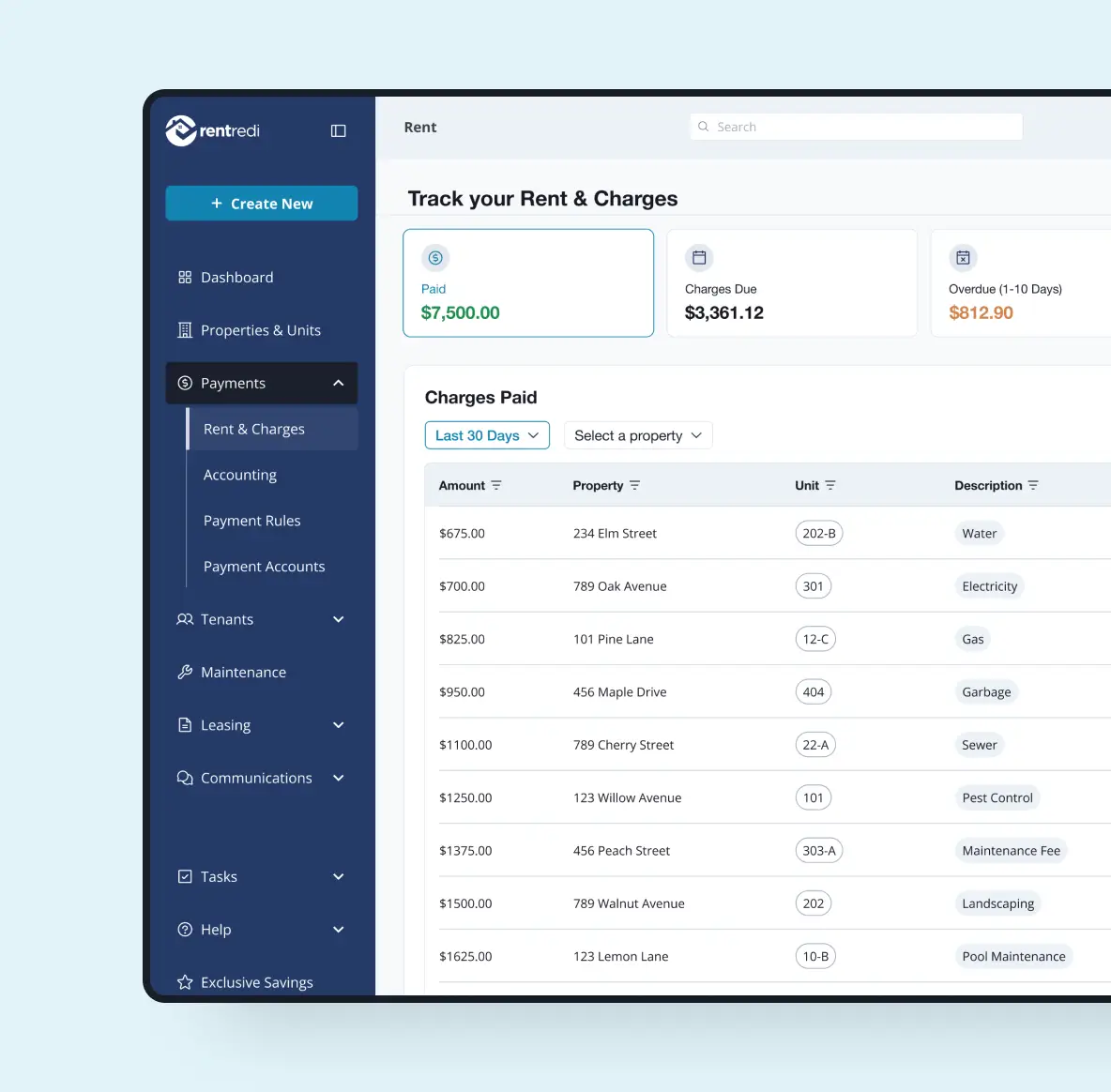
RentRedi landlord dashboard showing rent and charges paid by tenants

Which one should you choose?

For most independent landlords, RentRedi is the better fit. It bundles rent collection, tenant screening, leasing, maintenance, and AI-powered accounting into one flat-rate plan with unlimited units and no lease cap, so the platform grows with you. TenantCloud is a reasonable, budget-friendly option for a landlord with a handful of leases and simple needs, as long as you are comfortable with its tier caps and slower payouts. If you are new to renting, our guide for first-time landlords is a good place to start.

RentRediOur pick
4.7/5

Best for landlords who want the whole workflow in one app, with no lease cap.

TenantCloudAlternative
4.0/5

Best for small landlords with simple needs and a tight budget.

Bottom line: If you want one flat price, unlimited units, faster setup, and accounting built in, RentRedi is the stronger pick. If you have only a few leases and want the lowest possible entry price, TenantCloud is worth a look, with the caveat that its caps and payout speed can slow you down as you grow.

How much does each one cost?

RentRedi keeps pricing simple. The Start plan is $5 a month, the Grow plan is $12 a month on the annual option or $29.95 month to month, and a custom Pro plan covers larger portfolios. Every paid plan includes unlimited units, tenants, and team members. TenantCloud prices by the number of active leases, not by features alone. Its published rates are $15 a month for Starter on the annual option, which covers up to 10 leases, $29 for Growth up to 30 leases, and $50 for Pro up to 60 leases, with a custom Business plan above that. As your lease count crosses each cap, you move up a tier and your price rises.

RentRediPricing
4.8/5

Flat rate, unlimited units, no lease caps.

TenantCloudPricing
4.0/5

Low entry price, but capped by active lease count.

  • RentRedi charges a flat monthly fee with unlimited units, tenants, and listings on every paid plan.
  • TenantCloud Starter covers up to 10 active leases, Growth up to 30, and Pro up to 60, so your price climbs as your lease count grows.
  • TenantCloud gates bank reconciliation, the full lease builder, state-specific legal forms, and the owner portal behind its Pro tier.
  • TenantCloud tenant ACH payments cost $1.50 to $1.95 depending on plan, and rent reporting to credit bureaus is a $4.95 monthly add-on.
  • RentRedi tenant payments cost $1 per ACH payment, and rent reporting to all three bureaus is built in for tenants who opt in.

You can see the current tiers on the RentRedi pricing page.

Who is each platform built for?

The short version: RentRedi fits the landlord who wants room to grow without hitting a cap. TenantCloud fits the small landlord with a few leases and basic needs.

RentRedi is designed for landlords who handle 1 to 30 units on their own and want the full workflow in one mobile-first app, with no limit on units or leases. TenantCloud serves small residential landlords and small managers, and its reviewer base skews heavily toward small companies. It can be a solid budget option at a handful of leases, but its tiers are capped by active lease count, several useful tools require the Pro plan, and reviewers report slower payment funding and occasional app glitches, which matter more as your portfolio grows.

Which one does more of the job for you?

RentRediFeatures
4.7/5

Full lifecycle, native tenant app, AI accounting, and rent reporting.

TenantCloudFeatures
4.2/5

Solid core tools, but key features sit behind higher tiers.

Both platforms cover listing, screening, leasing, rent collection, and maintenance, so the difference is in depth and what comes standard. RentRedi handles listing syndication to Zillow, Trulia, and Realtor.com, TransUnion-certified screening, Plaid income verification, in-app leasing with unlimited e-signatures, maintenance intake, and an AI-powered accounting suite with receipt categorization, profit-and-loss, Schedule E, and QuickBooks export. Tenants get their own app to pay rent, apply, sign, report repairs, and build credit by reporting to the major credit bureaus. TenantCloud covers the same basics and offers broad free listing syndication, which is a real strength, but it puts bank reconciliation, the full lease builder, and state-specific legal forms on its Pro tier, and its rent funding is commonly slower than RentRedi.

Which is easier to set up and run?

RentRediEase of use
4.9/5

Mobile-first, set up in minutes, fast payouts.

TenantCloudEase of use
3.9/5

Capable, but reviewers cite glitches and slow funding.

RentRedi is built for landlords who do not have a back office. Getting started takes three steps:

  1. Create your account and add a property from your phone.
  2. Invite your tenant, who downloads the RentRedi app to pay rent and submit requests.
  3. Turn on auto-pay, screening, and rent reminders, and you are collecting rent.

The apps are native iOS and Android, and support is available when you need it. TenantCloud also offers landlord and tenant apps, but reviewers report navigation and loading issues and payment funding that often takes five to seven business days, which can leave you waiting on rent that RentRedi would have already deposited.

What does it cost to get started and get help?

With RentRedi, there is no onboarding fee on any plan, setup is self-serve and AI-guided, and the product is backed by a 30-day money-back guarantee with no long-term contract. TenantCloud is inexpensive to start, but you may grow into its lease caps and need to upgrade to reach tools like bank reconciliation and the full lease builder. For a landlord who wants one predictable price and the full toolset from day one, RentRedi is usually the simpler path. Once you are set up, keeping units in good shape comes next, and our property maintenance guide walks through the essentials.

Frequently asked questions

Is RentRedi cheaper than TenantCloud?

It depends on how you grow. TenantCloud has a lower entry price, starting at $15 a month on the annual option for up to 10 leases, while RentRedi starts at $5 a month for Start and $12 a month for Grow. The difference is that RentRedi includes unlimited units with no lease cap, so its price does not rise as you add doors, while TenantCloud moves you to a higher tier when your lease count crosses 10, 30, or 60.

Does TenantCloud have a free plan?

No longer. TenantCloud once offered a free plan, but it now starts at its paid Starter tier. RentRedi does not have a free plan either, and it backs every plan with a 30-day money-back guarantee.

Why is rent slower to arrive with TenantCloud?

TenantCloud tenant payments commonly take five to seven business days to fund, and some landlords report longer delays. RentRedi is built for faster, predictable payouts, so you wait less for rent to land in your account.

Does RentRedi include accounting like TenantCloud?

Yes, and more comes standard. RentRedi includes an AI-powered accounting suite with receipt categorization, profit-and-loss, Schedule E, and QuickBooks export on its paid plans. TenantCloud offers accounting too, but it gates bank reconciliation and several reports behind its Pro tier.

Which is better for a first-time landlord?

RentRedi. The app is simple to learn, setup takes minutes, and the flat price with unlimited units means you will not hit a lease cap or face a tier jump when you add your next rental.