
Autopay Helps Tenants Pay On-Time 99% of the Time
Autopay is a tool on RentRedi that allows tenants to set up automatic payments for rent charges and have a 99% on-time rent payment rate.

Autopay is a tool on RentRedi that allows tenants to set up automatic payments for rent charges and have a 99% on-time rent payment rate.
Highlights for RentRedi Autopay Data
Autopay is a widely used tool on RentRedi that allows tenants to set up automatic payments for rent charges.
Autopay allows multiple tenants to make automatic payments toward a single unit’s rent charge.
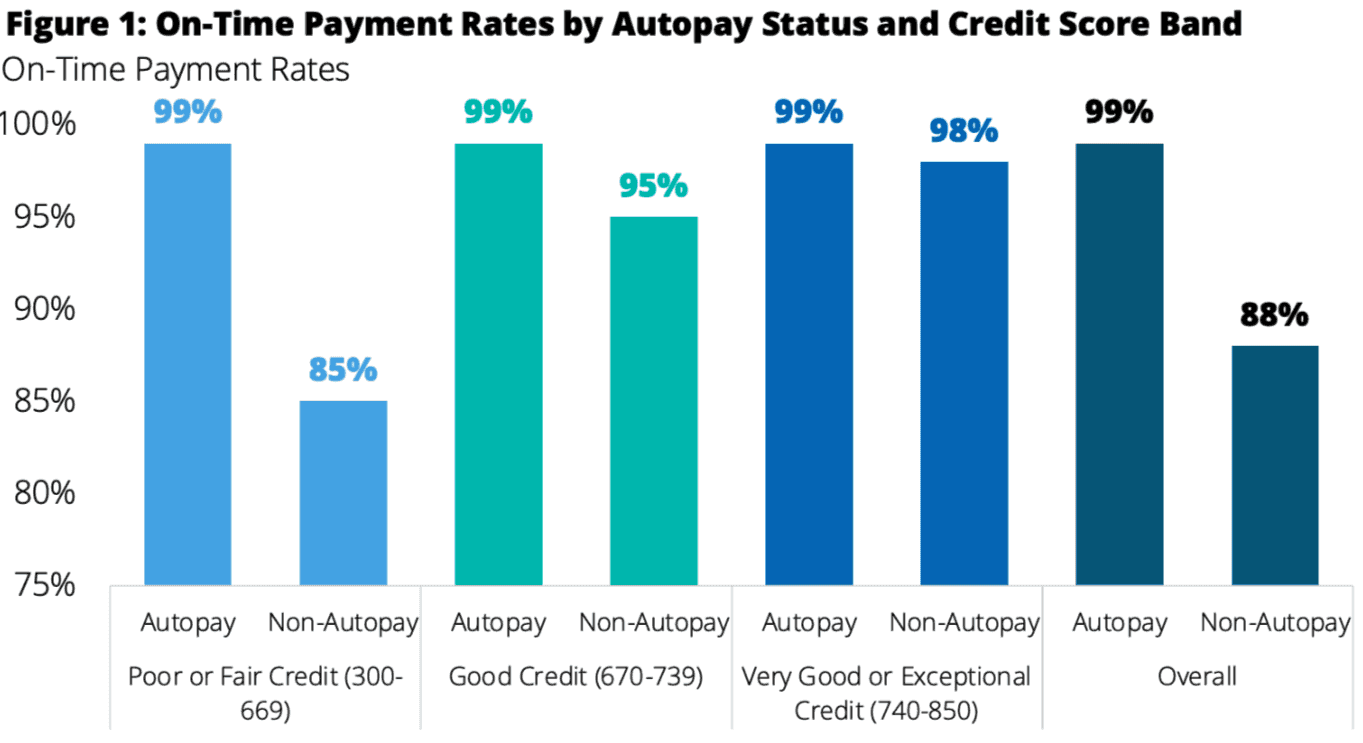
Units rented by tenants using autopay have had a 99% on-time payment rate since January 2020, compared to 88% for other rent-paying tenants.
Tenants can set up automatic payments (autopay) on RentRedi, ensuring their rent is paid at the same time and in the same amount every month.
Understanding and Addressing Late Payments
Late rent payments are a frequent challenge for landlords and property managers, often disrupting cash flow and creating administrative burdens. Understanding the underlying reasons why tenants pay late is the first step toward effective resolution. Common causes include temporary financial hardship, such as job loss, unexpected medical expenses, or other emergencies, that can destabilize a tenant’s budget. In other cases, tenants may struggle with ongoing money management issues, leading to chronic lateness, or simply forget the due date amid busy schedules. Sometimes, a lack of clear communication about rent expectations, grace periods, and penalties can sow confusion, resulting in unintentional late payments. Also, if tenants perceive no real consequences for paying late, they may deprioritize rent in favor of other obligations.
To address these issues, landlords should begin by ensuring that expectations are crystal clear from the outset. A well-structured lease agreement should explicitly state the rent due date, any allowable grace period, the amount and timing of late fees, and the potential consequences of repeated late payments. Reviewing these terms with tenants before move-in helps prevent misunderstandings and provides a solid foundation for future discussions. Regular, friendly reminders can significantly reduce late payments caused by forgetfulness. These reminders can be delivered via email, text, or even paper notices, and should include the amount due, the due date, and accepted payment methods. Automated reminder systems can streamline this process and help tenants develop positive payment habits.
When late payments occur, a structured and consistently enforced late-fee policy is essential. The lease should detail the late fee amount, when it is applied, and any additional penalties for ongoing non-payment. Landlords must ensure their policies comply with local regulations, as some jurisdictions cap allowable fees. Consistent enforcement of late fees signals to tenants that timely payment is a serious expectation, helping to deter habitual lateness. However, it’s also important for landlords to remain approachable. If a tenant is experiencing a genuine hardship, discussing temporary solutions can help them get back on track while maintaining a positive relationship.
Strengthening On-Time Payments Through Positive Landlord-Tenant Relationships
Establishing and maintaining a positive landlord-tenant relationship is a cornerstone of consistent, on-time rent payments and effective resolution of payment issues. Open, respectful communication builds trust, making tenants more likely to prioritize rent and feel comfortable discussing challenges before they escalate. When landlords respond promptly to maintenance requests and treat tenants with consideration, it fosters goodwill and a sense of security. This supportive environment encourages tenants to be proactive about their financial obligations and to notify landlords early if payment difficulties arise, allowing for collaborative solutions such as temporary payment plans or adjusted schedules. Regular check-ins and approachable interactions also help landlords spot potential issues before they become chronic problems.
Offering Multiple Payment Methods: Encouraging Timely Rent Payments
Providing tenants with a variety of payment options is a crucial strategy for ensuring rent is paid on time. By accommodating different preferences and lifestyles, landlords and property managers can reduce barriers to payment, making the process easier and more reliable for everyone involved. Below are key reasons why offering multiple payment methods can significantly improve on-time rent collection:
Enhanced Convenience for Tenants: Giving tenants the flexibility to choose from several payment methods, such as credit card, debit card, ACH transfer, or autopay, makes it easier for them to pay rent on time, regardless of their banking preferences or daily routines.
Reduced Excuses and Missed Payments: When tenants have access to digital and automated payment methods, common reasons for late payments are minimized, leading to a smoother rent collection process.
Faster Processing and Improved Record-Keeping: Digital payment platforms process transactions quickly and provide automatic receipts for both landlords and tenants. This not only accelerates the availability of funds but also ensures accurate, real-time records, simplifying tracking and reconciliation.
Appeal to Tech-Savvy and Younger Renters: Many younger tenants prefer digital solutions over traditional payment methods. By offering online and automated options, landlords can attract and retain residents who value convenience and technology, further supporting timely rent payments.
Providing tenants with various payment options, including digital and automated methods, encourages timely rent payments. By leveraging digital and automated solutions, landlords can create a more convenient, tenant-friendly payment experience for both parties.
Evaluating the Effectiveness of Automated Rent Collection: Key Metrics and Tracking Strategies
To truly measure the success of automated rent collection systems, property managers and landlords must go beyond simply noting the presence of autopay features: they need to track, analyze, and interpret a variety of performance metrics that reflect both payment reliability and operational efficiency. One of the most critical metrics is the on-time payment rate, which clearly indicates how effectively the system encourages tenants to pay rent by the due date. This metric can be calculated by dividing the number of rent payments received on or before the due date by the total number of rent payments expected within a given period. Data from RentRedi show that units with tenants using autopay consistently achieve a 99% on-time payment rate, a marked improvement over the 88% rate among tenants who do not use autopay. Monitoring this rate over time helps property owners identify trends, evaluate the impact of system updates, and benchmark their performance against industry standards or similar properties.
Another valuable metric is the payment failure rate, which measures the percentage of scheduled automated payments that fail due to insufficient funds, expired cards, or other technical issues. A low failure rate indicates a robust, reliable system and effective tenant onboarding, while a higher rate may signal the need for improved communication, better payment method options, or technical enhancements. Collection velocity, or the average number of days it takes to collect all rent payments after the due date, is also essential for understanding cash flow predictability. A shorter collection window demonstrates that the automated system streamlines the process and reduces the time spent waiting for funds to be received and processed.
Administrative savings are another core measure of the effectiveness of automated rent collection. Property managers should track the number of hours previously spent on manual tasks such as processing checks, reconciling payments, sending reminders, and following up on late payments, then compare this to the time required with an automated system in place. A significant reduction in administrative labor translates directly into cost savings and allows staff to focus on higher-value activities, such as tenant engagement and property improvements. Tracking the autopay adoption rate (the percentage of tenants enrolled in automated payments) helps managers assess how well the system is being embraced and whether further education or incentives are needed to increase participation.
By regularly monitoring these metrics, property owners and managers can make informed decisions about system enhancements and process improvements. A data-driven approach ensures that automated rent collection systems not only improve payment reliability but also deliver measurable operational benefits, supporting both financial stability and a positive rental experience for all parties involved.
Drawbacks of Manual Rent Collection
Collecting rent manually may seem straightforward, but it often introduces significant challenges for both landlords and property managers. Manual processes can create unnecessary inefficiencies, administrative hurdles, and increase the risk of payment issues. Below are key drawbacks to consider when relying on manual rent collection methods:
Time-Consuming Administrative Tasks: Manual rent collection requires property managers to process checks and make frequent bank deposits.
Higher Likelihood of Late Payments: Without automated reminders or recurring payments, tenants are more likely to forget due dates or delay payments. The absence of a streamlined system leads to more instances of late or missed rent payments, disrupting cash flow and causing frustration.
Increased Risk of Errors and Disputes: Manual data entry and cash handling increase the likelihood of errors, such as misapplied payments or lost checks. These errors can result in disputes between landlords and tenants, undermining trust and complicating resolution efforts.
Slower Cash Flow: Paper checks and cash payments take longer to process and clear, often delaying the availability of funds to cover property expenses. This lag can impact a landlord’s ability to pay mortgages, vendors, or staff on time.
Greater Exposure to Fraud and Security Issues: Handling cash or sensitive banking information manually increases the risk of theft, fraud, or identity breaches. A lack of digital records also makes it harder to track payments and resolve discrepancies quickly.
Manual rent collection methods come with a host of drawbacks that can hinder operational efficiency and financial reliability. Transitioning to digital or automated systems can help address these issues, resulting in smoother rent collection and a better experience for both landlords and tenants.
Automatic payments are widely used on the RentRedi platform. While units associated with classic residential property categories (single-family residential, duplex, etc.) dominate the top of the autopay user list, other property types that use automatic payments include sorority and fraternity housing, parking garages, and storage/warehousing facilities. Tenants can easily take advantage of RentRedi’s features, which allow multiple tenants to pay rent with automatic payments.
Units rented by tenants using autopay have maintained a 99% on-time payment rate since January 2020. Conversely, rent-paying tenants who did not use automatic payments had an 88% on-time payment rate. Prior research has found that using autopay features has reduced the likelihood that credit card users miss payments. For example, Wang (2024) found that autopay enrollment leads credit card users to make double the minimum payments. Guttman-Kenny et al. (2023) found that credit card users were more likely to miss their payments when not enrolled in autopay.
Autopay’s benefits remain consistent across tenants with different economic situations. For example, tenants with lower credit scores still pay 98.8% of their monthly payments on time when using autopay, compared with 85.4% for those who do not use the feature.
Frequently Asked Questions
Setting up autopay effectively is key to achieving high on-time payment rates and reducing administrative hassle. Below are answers to common questions about recommended strategies for implementing and optimizing autopay for rent collection.
Why require tenants to keep a card or bank account on file?
Keeping a payment method on file ensures quick, seamless transactions and allows for immediate recovery if a primary payment fails, reducing late or missed payments.
How can flexible payment schedules help tenants?
Allowing tenants to align autopay dates with their paydays minimizes the risk of insufficient funds and makes rent payments less stressful and more predictable.
What incentives work best for encouraging certain payment methods?
Offering lower fees or small discounts for ACH payments encourages tenants to use methods less prone to failure, improving on-time rates and reducing administrative issues.
How do automated reminders support autopay success?
Automated email or text reminders prompt tenants to ensure funds are available and to keep their payment details up to date, reducing payment failures and ensuring smoother collections.
Why do tenants often pay rent late?
Tenants may pay late due to financial hardship, poor money management, forgetfulness, unclear lease terms, or a lack of perceived consequences for missing payments.
How can clear communication help prevent late payments?
Clearly outlining rent due dates, grace periods, late fees, and consequences in the lease ensures tenants understand expectations and reduces confusion about their payment responsibilities.
What role do reminders play in on-time rent collection?
Regular reminders, via email, text, or paper notices, help tenants remember due dates and encourage timely payments, especially for those prone to forgetfulness or busy schedules.
How do structured late fee policies address chronic lateness?
A consistent late fee policy, detailed in the lease and enforced fairly, discourages habitual late payments by signaling that timely rent is a serious expectation.
What should landlords do if a tenant faces genuine hardship?
If a tenant communicates financial difficulty, landlords should discuss temporary solutions, such as payment plans, to help tenants catch up while maintaining a positive relationship.
Can reviewing lease terms with tenants reduce late payments?
Yes. Reviewing lease terms before move-in prevents misunderstandings and sets clear expectations, making it easier to address issues if late payments occur.
How do automated systems support on-time payments?
Automated reminder systems streamline communication, reduce manual follow-up, and help tenants develop positive payment habits, decreasing the likelihood of late payments.
Implementing these best practices creates a smooth, reliable rent payment process for both landlords and tenants, making on-time payments the standard rather than the exception.
References
Wang, Jialan, To Pay or Autopay? Fintech Innovation and Credit Card Payments (April 2024). NBER Working Paper No. w32332, Available at SSRN: https://www.nber.org/papers/w32332
Guttman-Kenney, Benedict, Adams, Paul, Hunt, Stefan, Laibson, David I., Stewart, Neil, and Leary, Jesse, The Semblance of Success in Nudging Consumers to Pay Down Credit Card Debt (December 2023). NBER Working Paper No. w31926, Available at SSRN: https://ssrn.com/abstract=4660251
