
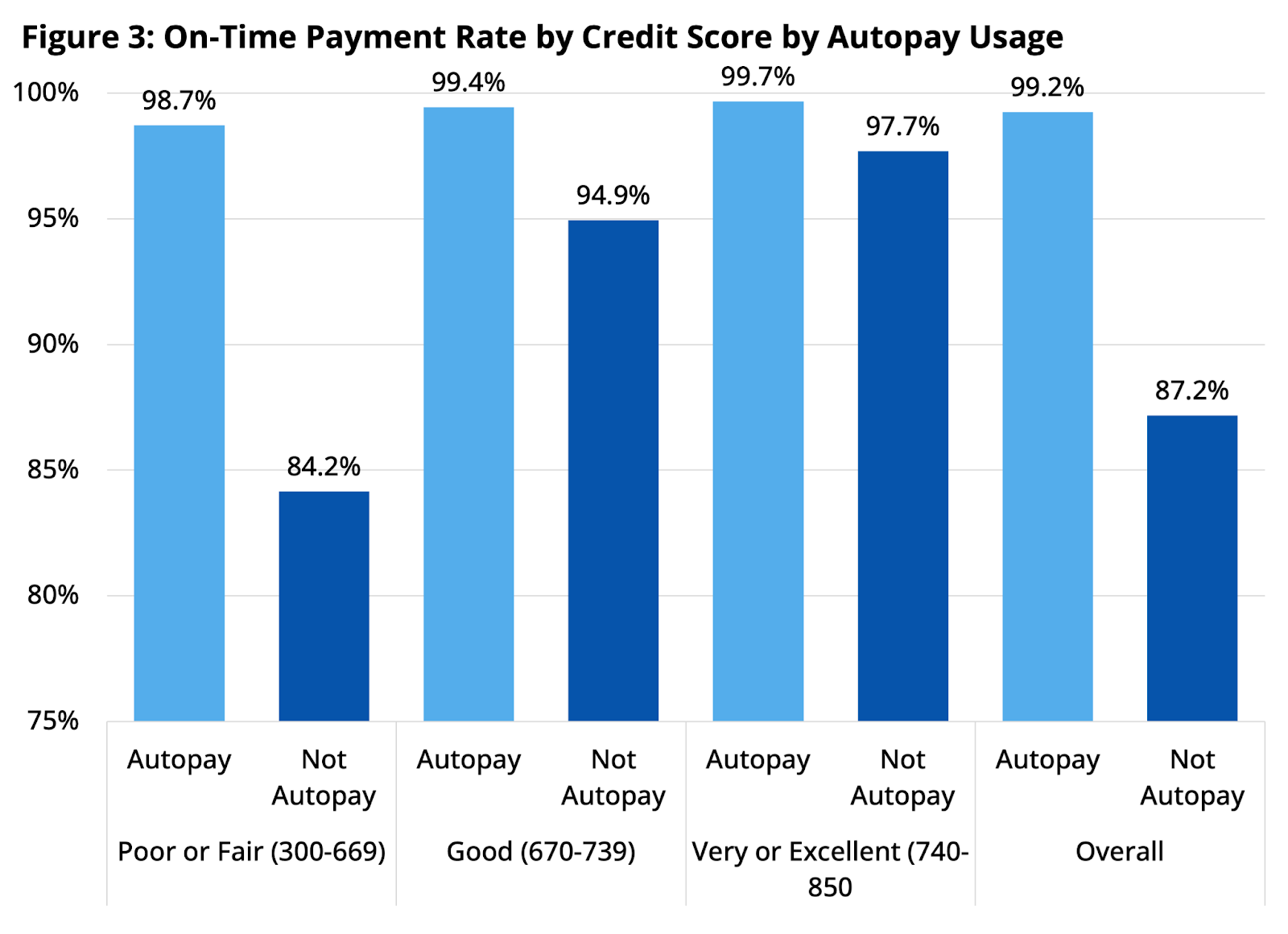
New data confirms that automating rent payments, reminders, and late fees benefits both landlords and tenants. RentRedi, the fastest-growing property management software, released new data demonstrating the effectiveness of its automatic payments (“autopay”) feature in helping landlords collect rent on time. According to data collected between January 2020 and August 2024, units with at least one tenant using RentRedi’s autopay feature reported on-time rent payments 99% of the time. Conversely, units without tenants using autopay had an 88% on-time payment rate.
Behavioral Incentives and Payment Methods
Landlords seeking to boost on-time rent payments can achieve strong results by understanding how different payment methods and incentives influence tenant behavior. Matching payment options to tenant preferences helps create a frictionless experience that benefits both parties. Below are key strategies that illustrate how payment methods and behavioral incentives can drive timely rent payments and improve outcomes for landlords and tenants alike:
- Offering Multiple Digital Payment Methods: Providing tenants with a range of digital payment options, such as ACH transfers, credit/debit cards, and mobile payments, caters to diverse financial routines and preferences. When tenants can choose their preferred method, they are more likely to pay rent on time, as the process aligns with their existing habits. Digital payments also reduce processing delays compared to checks or cash, making it easier for tenants to fit rent payments into their monthly budget cycles and for landlords to receive funds promptly.
- Encouraging Autopay Enrollment: Enabling and promoting automatic rent payments (autopay) is a powerful motivator for on-time payments. Autopay turns rent into a recurring transaction, removing the risk of forgetfulness or competing priorities. Data show that units with tenants enrolled in autopay consistently achieve significantly higher on-time payment rates, sometimes reaching 99%.
- Implementing Rent Payment Incentives: Incentives such as credit reporting, discounts, or rewards for consistent on-time payments can strongly motivate tenants. For example, reporting rent payments to credit bureaus gives tenants the opportunity to build or improve their credit scores, transforming timely rent into a long-term financial benefit. Such incentives not only encourage prompt payment but also foster a sense of accomplishment and partnership between tenants and landlords, leading to more positive rental experiences.
- Matching Payment Options to Tenant Preferences: Surveying tenants about their preferred payment methods and then tailoring available options accordingly can lead to higher satisfaction and better payment outcomes. If the majority of tenants favor ACH transfers but some prefer cards or digital wallets, offering all these options reduces friction and makes paying rent less of a chore.
- Combining Automation with Incentives for Maximum Effect: The most effective rent collection systems integrate both automation (like autopay and reminders) and meaningful incentives (such as credit reporting). This dual approach ensures that tenants have both the convenience of automated transactions and the added motivation of tangible rewards. By making on-time payment the default and linking it to real benefits, landlords can create a supportive environment that drives consistent, timely rent payments across their portfolios.
Leveraging a thoughtful mix of payment methods and behavioral incentives can dramatically improve the timeliness of rent payments. By aligning payment processes with tenant preferences and introducing motivating factors, landlords not only reduce the risk of late payments but also foster stronger, more positive relationships with their tenants.
Landlord Concerns About Late Payments
For landlords, late rent payments are a persistent source of anxiety and operational difficulty, threatening both financial stability and peace of mind. When tenants pay rent late, landlords face immediate cash flow disruptions that can jeopardize their ability to cover mortgage payments, property taxes, maintenance expenses, and other obligations tied to their rental properties. This uncertainty can be especially acute for small-scale landlords who rely on timely rent as a primary source of income. The stress of not knowing whether or when rent will arrive often forces landlords into uncomfortable roles: chasing tenants for payment, issuing late notices, and potentially initiating costly, time-consuming eviction proceedings. These actions not only strain landlord-tenant relationships but also create administrative burdens, as landlords must track payment statuses, assess late fees, and manage additional paperwork. The emotional toll is compounded by concerns about the risk of repeat late payments, rising vacancy rates, or even property damage if tenants feel financial pressure.
Landlords’ apprehension is further heightened by broader economic uncertainties and affordability pressures, which can make late payments more common and unpredictable. 41% of rental property investors reported feeling more concerned about tenants not paying rent than in the previous year, even if they had not yet experienced a significant increase in late or unpaid rent. Heightened vigilance reflects the precarious balance landlords must maintain between empathy for tenants facing genuine hardship and the need to protect their own financial interests.
To address these challenges, landlords are increasingly adopting strategies to prevent late payments and alleviate the associated stress. One common approach is to implement structured rent collection systems, such as clear payment schedules, automated reminders, and defined grace periods before late fees are applied. These systems clarify expectations and provide tenants with gentle prompts, reducing the likelihood of accidental delays. Communication is another critical tool. Proactive outreach and a willingness to discuss payment difficulties can help resolve issues before they escalate, preserving positive relationships and often leading to quicker resolutions. Some landlords also offer payment plans or temporary accommodations for tenants facing short-term hardships, balancing compassion with the need to maintain cash flow. Also, leveraging technology can streamline rent collection, minimize manual intervention, and provide landlords with greater visibility into payment trends.
The autopay feature is widely used on the RentRedi platform across a variety of rental property types. While units associated with classic residential property categories (single-family residential, duplexes, etc.) dominate the top of RentRedi’s autopay user list, other property types using automatic payments include sorority and fraternity housing, parking garages, and storage/warehousing facilities.
Tenants can set up autopay to ensure their rent payments are made consistently in the same amount every month. If tenants have not already set up autopay, their landlords can invite them to do so using the rent collection features in the RentRedi app. Tenants who share a unit can also take advantage of RentRedi’s ability to set up autopay for multiple tenants to split rent charges.
“We are fundamentally focused on making renting easier for both landlords and tenants, and our autopay feature is proven to benefit both parties,” said RentRedi Co-founder and CEO Ryan Barone. “There is a great incentive for tenants to use the autopay feature, because it removes the risk of missing payments and incurring late fees. This saves tenants time and money, and also provides a more reliable cash flow to landlords.”
Autopay’s benefits remain consistent for tenants with different economic situations, resulting in similar on-time payment patterns. For example, data collected between January 2020 and August 2024 show that units with tenants who have weaker credit scores still pay 98.8% of their monthly payments on time when using autopay, compared with 85.4% for those who do not enable the feature.
Additionally, RentRedi recently expanded its on-time rent reporting to all three major credit bureaus: Equifax, Experian, and TransUnion. The ability to report on-time rent payments helps tenants build and boost their credit scores. RentRedi data shows landlords are likely to see a 13% increase in on-time rent payments when a tenant benefits from the RentRedi Credit Boost feature.
When Credit Boost is combined with autopay, there is an added incentive and convenience to paying rent on time. More information on this and related data can be found in RentRedi’s white paper, “The Secret Success of Self-Managing Your Rentals.”
Methodology
For this analysis, if any tenant occupying a unit was using autopay at the time of payment, the entire unit is considered to benefit from that feature. The use of surveys to gather data on rent payment patterns contains the methodologies for collecting and interpreting this information. Payment status categories (on-time, late, and unpaid) are from the same methodology used in the Chandan Economics Independent Landlord Rental Performance Report. Critical features of Chandan Economics’ methodology are:
- It only includes rent income charges.
- It only contains charges between $500 and $10,000.
- It removes units that are inactive for more than two months from the sample.
Frequently Asked Questions
Open communication and proactive systems are essential for landlords and tenants to work together in reducing late rent payments. The following addresses common questions about fostering collaboration and implementing systems that support on-time rent, and questions about the use of surveys and the methodologies behind gathering reliable rent payment statistics.
How can clear communication help prevent late rent payments?
Regular, open communication establishes expectations, allows early identification of payment issues, and makes it easier for tenants to discuss challenges before they escalate.
What role do payment plans play in tenant-landlord cooperation?
Flexible payment plans allow tenants facing temporary hardship to stay current, while landlords maintain cash flow and avoid costly eviction processes.
How do shared digital platforms support on-time rent?
Digital platforms streamline rent collection, provide reminders, and allow both parties to track payment status, reducing misunderstandings and missed due dates.
Why is it important to set clear payment expectations in leases?
Well-defined lease terms regarding payment deadlines, grace periods, and late fees ensure tenants understand their obligations and help prevent confusion that can lead to late payments.
Can regular check-ins improve rent payment consistency?
Yes, periodic check-ins allow landlords and tenants to address concerns, discuss upcoming challenges, and reinforce a cooperative relationship that supports timely payments.
How do tenant associations or unions foster collaboration?
Tenant groups provide a collective voice to negotiate solutions, share resources, and encourage responsible payment habits within the community.
What is the benefit of offering educational resources to tenants?
Providing budgeting tips and information about available assistance programs empowers tenants to manage finances and prioritize rent payments.
How can landlords and tenants handle payment difficulties together?
By discussing issues early and exploring solutions such as payment plans or temporary relief, both parties can avoid conflict and maintain a positive relationship.
How are surveys used to gather data on rent payment patterns?
Surveys collect responses from landlords and tenants about their payment behaviors, preferences, and experiences. This data helps identify trends, challenges, and effective strategies for improving on-time rent payments.
How is the accuracy of survey data ensured?
Accuracy is maintained by using clear definitions for payment status, excluding outlier data (such as inactive units), and rounding percentages to the nearest whole number for clarity and consistency.
What methodologies are used to interpret survey results?
Methodologies include categorizing payment status (on-time, late, unpaid), filtering for relevant rent amounts, and excluding inactive units. These practices help ensure that reported trends reflect active, real-world rental scenarios.
How do surveys account for different types of rental properties?
Surveys often classify respondents by property type or portfolio size, such as small, medium, or large landlords. This allows for a nuanced analysis of payment patterns across various segments of the rental market.
Why are inactive units excluded from survey analysis?
Inactive units, those without rent activity for extended periods, are removed to prevent skewing results. This ensures that the data accurately reflects current, active rental situations.
What is the benefit of using both landlord and tenant surveys?
Combining insights from both groups provides a more complete picture of rent payment dynamics, highlighting areas of agreement and identifying potential gaps in understanding or experience.
About RentRedi
RentRedi offers an award-winning, comprehensive property management platform that simplifies the renting process for landlords and renters by automating and streamlining processes. For landlords, RentRedi provides all-in-one web and mobile apps to collect rent, list and market vacancies, find and screen tenants, sign leases, and manage maintenance and accounting. For tenants, RentRedi’s easy-to-use mobile app allows them to pay rent, set up auto-pay, build credit by reporting rent payments to major credit agencies, prequalify and sign leases, and submit maintenance requests.
Founded in 2016, RentRedi is a VC-backed, proven leader in the PropTech market. The company ranks No. 180 on the 2024 Inc. 5000 list and No. 12 on the Inc. 5000 Regionals list and was named an Inc. Power Partner, a GetApp Category Leader, a Capterra Established Player, and a G2 High Performer and Momentum Leader based on the software’s user ratings and popularity. To date, RentRedi has more than $28 billion in assets under management with nearly 200,000 landlords and tenants using the platform. The company partners with technology leaders such as Zillow, TransUnion, Experian, Equifax, Realtor.com, Plaid, and Stripe to deliver the best possible customer experience. For more information visit RentRedi.com.