Quick Answer:
Landlords lower rental property utility costs by finding utility waste before buying equipment. Review 12 months of bills, inspect leaks and air gaps, service HVAC, and install efficient fixtures, then compare usage quarterly. Start with fast-payback repairs, saving major upgrades for properties where rates, climate, incentives, and equipment life support them.
Why Rental Property Utilities Matter
Utility use once sat low on the priority list. Now, tenants and investors consider what a rental costs to operate as closely as how it looks. Electricity, water, heating, and cooling affect monthly affordability, daily comfort, maintenance demands, and overall market appeal.
Because of this, energy-efficient rentals offer a clear advantage. A well-insulated home with efficient equipment and predictable utility bills can be more appealing than a renovated property that stays expensive or uncomfortable to run. Lower usage can protect cash flow, reduce avoidable repairs, and support lasting property value.
This guide clearly explains how to uncover utility waste, improve energy and water systems, involve tenants, and confirm whether each change creates measurable savings.
Understanding Utility Costs In Rental Properties
Utility spending includes electricity, water, gas, HVAC, waste pickup, and recycling. These landlord expenses vary by market, so one figure can hide the first problem to solve.
Through Lamulle Construction’s work across different states, owner David Lamulle has seen how location can shape utility costs.
“Electricity, water, gas, and waste don’t carry the same weight in every market,” he explains. “Treating them as a single lump sum hides where your money actually goes. Break the costs down by category and by region, and you’ll quickly see which utilities deserve the first round of investment.”
Electricity rates differ by state and provider, affecting upgrade payback. Compare state prices through Energy Information Administration data, then verify assumptions against actual recent property bills.
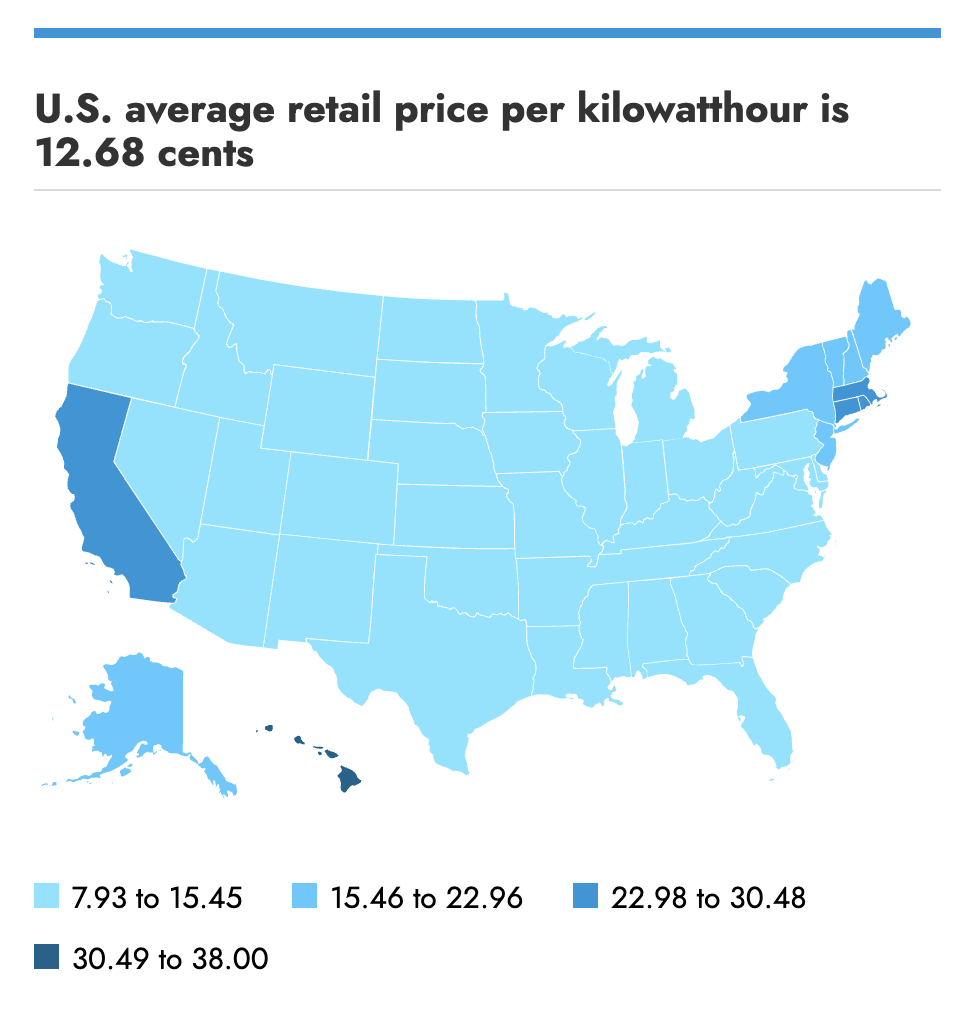
Water and gas rates also shift with infrastructure and climate. To reduce rental property utility costs, compare each property’s usage with prior months and similar units, not national averages alone.
The Bureau of Labor Statistics’ Consumer Expenditure Survey shows utilities, fuels, and public services as a stable part of household spending, though the share varies. For tenants paying separately, inefficient systems can make affordable rent difficult overall.
Cost Versus Savings Comparison
Upgrade costs vary by property size, labor rates, climate, and existing equipment. Use this comparison to see what drives the investment and where savings are most likely to come from.
| Upgrade | Main cost factors | Potential savings driver |
|---|---|---|
| LED lighting | Number of fixtures, bulb type, and installation | Lower electricity use and longer bulb life |
| Air sealing and insulation | Property size, existing insulation, and access | Reduced heating and cooling demand |
| Smart thermostat | Device cost and installation | Better temperature scheduling and less wasted runtime |
| WaterSense fixtures | Fixture type, plumbing condition, and labor | Lower water and water-heating use |
| Leak sensors | Number of risk points and monitoring setup | Earlier leak detection and avoided water damage |
| Heat pump | Climate, system size, electrical work, and ductwork | More efficient heating and cooling |
| Solar panels | Roof condition, system size, rates, incentives, and financing | Reduced purchased electricity |
The best upgrade is not always the most advanced one. Base investment decisions on usage, maintenance needs, and rental property operating costs across the property portfolio.
Strategies For Reducing Electricity Consumption
Electricity savings start with the building, then move to equipment and controls. Below are the upgrades to evaluate first when enhancing energy efficiency in rental properties:
Seal the building envelope
Focus first on doors, windows, attic penetrations, plumbing openings, and ducts. Sealing and insulation lower HVAC demand while improving comfort. Recheck problem rooms in extreme conditions.
Upgrade lighting and appliances
Upgrade failed bulbs with LEDs. For appliance replacements, compare ENERGY STAR-rated refrigerators, washers, dishwashers, and heat pump water heaters using annual operating costs. Choose sizes that match demand because oversized units cost more and underperform.
Control schedules and standby loads
Smart thermostats can limit extreme settings and reduce conditioning during empty hours. Smart plugs cut idle use, although tenant-owned devices require consent. Clean refrigerator coils, dryer vents, and exhaust fans so motors work normally.
Evaluate renewable energy carefully
Assess roof condition, shade, electrical capacity, rates, demand, and ownership horizon before installing solar or storage. Review incentives through the Database of State Incentives for Renewables and Efficiency and the Department of Energy’s Home Energy Rebate Programs. Community solar may work where rooftops do not.
Heating and cooling often represent nearly half of home energy use, according to the University of Michigan Center for Sustainable Systems.
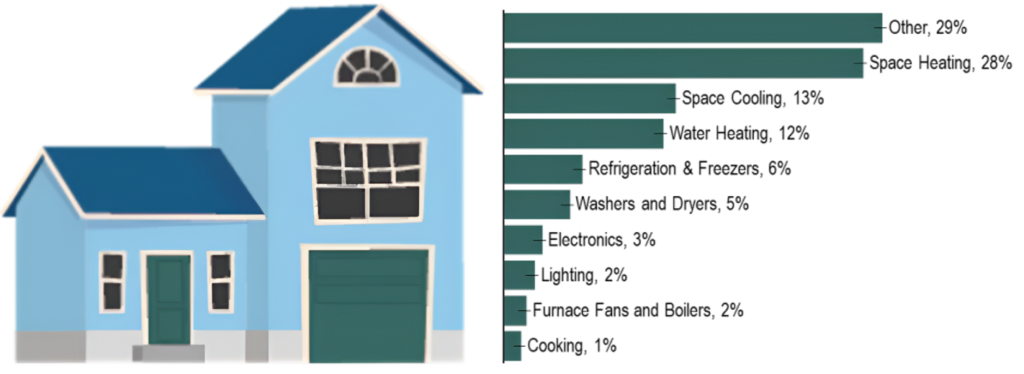
That makes envelope and HVAC work central to lower operating expenses for rental properties.
Water Conservation Methods
Water loss stays invisible until a high bill appears. Here are measures that help owners catch waste early and reduce consumption:
Find and repair leaks
Inspect toilets, faucets, supply lines, water heaters, irrigation, and visible pipes regularly. The Environmental Protection Agency estimates common household leaks can waste nearly 10,000 gallons per home yearly. Record meter readings before and after repairs to confirm results.
Install efficient fixtures
Efficient WaterSense-labeled showerheads, faucets, and dual-flush toilets cut water use while maintaining performance. Address fixtures first, then adopt models across units to simplify parts and keep upgrades need-based.
Manage outdoor water use
Weather-based irrigation controllers and drip systems reduce unnecessary watering. The Environmental Protection Agency’s WaterSense guidance covers controllers, while the Alliance for Water Efficiency’s greywater guidance explains reuse. Check local ordinances before adding greywater systems, rain barrels, or cisterns.
Heating And Cooling Efficiency Improvements
HVAC decisions shape comfort, complaints, and major utility swings. These improvements keep systems stable before peak demand arrives:
Maintain equipment consistently
Complete filter changes, coil cleaning, drain inspections, and servicing before peak seasons. Well-maintained systems run reliably and reveal faults sooner. Record findings and upcoming service.
Consider heat pumps and zoning
Consider ENERGY STAR-listed cold-climate air-source heat pumps for replacing or supporting furnaces across wider areas. Multi-zone mini-splits and ducted zoning serve occupied rooms. Review climate performance, electrical upgrades, backup heat, and contractor capability carefully.
Reduce heat transfer
Better air sealing, insulation, weatherstripping, efficient windows, storm windows, and films reduce HVAC workload. ENERGY STAR guidance identifies windows and cool roofs that limit drafts and summer heat gain. Reflective roofing and airflow moderate upper-floor temperatures.
Handling Waste And Recycling Efficiently
Waste may be smaller, but poor organization creates fees, pests, and complaints.
Below are steps that make disposal easier:
Design the waste area around behavior
Place labeled bins where tenants naturally dispose of materials. Post a one-page guide based on the hauler’s accepted items, supported by the Environmental Protection Agency’s recycling guidance. Good lighting, cleaning, and reliable pickups improve sorting.
Add composting where practical
Use a compost bin or service to divert food scraps where local conditions allow. Follow Environmental Protection Agency composting guidance and avoid overfilling. Assign cleaning and pickup duties to keep operations manageable.
Educating Tenants On Utility Savings
Systems underperform when tenants misunderstand controls.
Jason Ledbetter, an operator focused on scalable systems and execution, sees clear tenant guidance as part of efficient property management.
“You can install every efficient system available, but the people living in the home decide how it’s used day to day,” Ledbetter says. “Give tenants a simple guide, show them how the controls work, and invite their feedback; engaged tenants become partners in keeping utility costs down.”
Use QR codes for equipment videos, explain time-of-use pricing, and send one seasonal reminder. A clear channel helps tenants fix utility issues earlier by making the contact and needed details obvious.
Fast reporting protects safety. Unusual heat, exposed wiring, standing water, or poor ventilation can create damage and personal injury risk, so document responses.
Tracking Results And Protecting Cash Flow
Changes in utility bills may reflect rate increases, vacancies, or seasonal demand rather than efficiency. Without reliable records, those factors blur together and hide which improvements actually produced results. Quarterly reviews create enough distance to reveal patterns without turning utility management into a constant task.
To track rental property expenses, keep one view with the following:
- Usage and cost
- Occupancy and weather notes
- Repairs, rebates, and upgrade dates
This is more reliable than comparing bills from memory. Investigate meaningful changes before blaming tenant behavior.
Landlords can use RentRedi’s Accounting Suite to capture receipts, categorize expenses, and review profit and loss reports by property or portfolio, showing more clearly how utility and repair costs influence cash flow.
Technological Advancements And Innovations In 2026
Thermostats, leak sensors, connected meters, and shutoff valves are practical tools. They reveal unusual use before damage spreads.
Advanced metering and dashboards described by the Department of Energy track consumption and flag anomalies. Among practical rental property cash flow tips, early detection matters because an extended leak or failing HVAC cycle can damage income and trust.
Time-based rates can reward shifting water heating, vehicle charging, laundry, or pre-cooling away from peaks. The Department of Energy’s demand response guidance explains variable pricing before owners change schedules.
The Solar Energy Industries Association reports 262 gigawatts of installed U.S. solar capacity, enough to power 45 million homes, after average annual growth of 28% over the past decade; storage reached 175 gigawatt-hours, up 177% since late 2023.
Technology needs sound basics. A thermostat cannot overcome missing insulation, so strong landlord utility savings pair monitoring with maintenance.
Where This Goes Next
Utility savings make a rental easier to operate. Review bills, inspect the property, and rank three fixes.
Check performance quarterly, ask tenants about discomfort, and update the plan as rates and equipment change. Improvements compound when the system finds waste early.
Take three actions:
- Find where the property is losing money or wasting resources.
- Solve that problem fully before moving to the next upgrade.
- Measure the result and make it the new standard across the portfolio.
Use RentRedi’s property management software to keep repairs, payments, and property finances connected, so utility savings become an operating habit rather than a one-time project.
Frequently Asked Questions
How can landlords reduce utility costs?
Start with 12 months of bills and an inspection. Fix leaks, air gaps, dirty equipment, controls, and billing errors before replacements. Prioritize by cost, savings, equipment life, and tenant impact.
What upgrades save the most money?
Large savings often come from HVAC, insulation, air sealing, water heating, and solar, but climate and rates decide. LEDs, weatherstripping, controls, and leak repairs may pay back faster. Measure the largest avoidable load first.
Which improvements have the best ROI?
Repairs that stop continuous waste usually deliver the best returns, including fixes for leaks, stuck toilet flappers, missing weatherstripping, incorrect schedules, and neglected maintenance. Larger projects can also pay off when replacing failed equipment or using available incentives. Calculate the expected payback, then test the numbers again using savings estimates that are 20% lower.
Are utility upgrades tax deductible?
Treatment depends on whether work is a repair or capital improvement. The IRS generally allows ordinary repairs as rental expenses, while improvements are usually recovered through depreciation; energy credits commonly require primary-residence use, so landlords may not qualify. Review IRS Publication 527 and current rules with a tax professional.