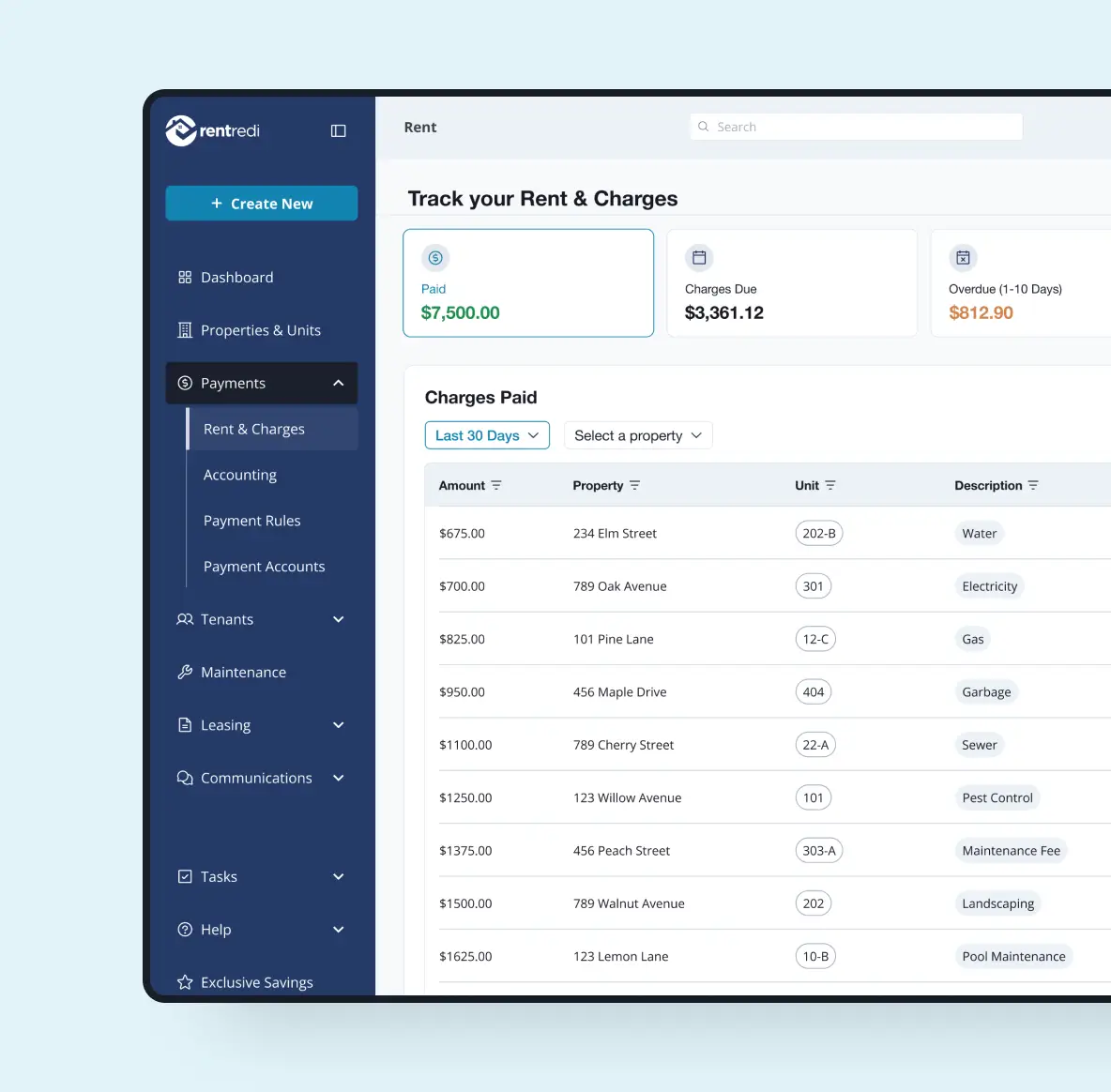
As a landlord, there are many ways you can add value to your rental property. If you use landlord software, you can easily verify who is renting which properties at any given time, and for how much.
Keeping track of the value added to each rental property will help you incrementally raise rents at turnover or for existing properties. But what are the best ways to add value to your rental property?
They all come down to things you can do to make your rental property not look like one. When people drive down a street, they know exactly which houses are rentals because of the cheap aluminum garage doors, peeling paint, poorly maintained landscaping, and an otherwise cheap look about them. But you can turn all that around.
Assessing the Suitability of Inherited Tenants: Why Screening and Rental History Matter
When you acquire a rental property with existing tenants, it’s crucial not to overlook the importance of evaluating whether those tenants are a good fit for your long-term goals as a landlord. Unlike selecting new tenants, where you have the opportunity to conduct a full screening process from the start, inheriting tenants means you’re stepping into an existing relationship, often with little knowledge about their background, payment habits, or how they care for the property. That’s why taking the time to assess their suitability through reviewing their rental history and, when possible, conducting your own screening is a key step in protecting your investment and ensuring a positive landlord-tenant relationship moving forward.
Start by requesting and carefully examining all available documentation from the previous landlord or property manager. This should include signed lease agreements, payment histories, records of any late or missed payments, maintenance requests, and any notes on tenant behavior or complaints. Pay particular attention to whether rent has been paid consistently and on time, as reliable payment is one of the strongest indicators of a responsible tenant. Additionally, review any communication logs to see how responsive and cooperative the tenants have been regarding property maintenance or rule compliance. If the tenant has a history of frequent complaints, unresolved disputes, or repeated late payments, these may be red flags that warrant further scrutiny.
If the previous landlord conducted background or credit checks, request copies of these reports. However, if such records are unavailable or outdated, you may be able to request updated information, provided you comply with applicable laws and the terms of the existing lease. It’s important to approach this process respectfully and transparently, explaining to tenants that your goal is to ensure a safe and stable living environment for everyone involved. In some cases, you might conduct informal interviews or meetings with tenants to measure their expectations, communication style, and willingness to cooperate with your management practices.
Assessing inherited tenants is about identifying potential issues early and determining whether you can work together effectively. Responsible tenants who pay rent on time, respect the property, and communicate openly are assets worth retaining. On the other hand, if you uncover serious concerns you’ll be better prepared to address these issues within the bounds of the existing lease and local laws.
The Importance of Open Communication and Building Trust
Establishing open and professional communication from the very beginning is crucial. Inherited tenants may feel uncertain or anxious about the change in ownership, so a thoughtful introduction and transparent approach can set a positive tone for your new relationship. Promptly introduce yourself as the new landlord through a friendly letter, email, or in-person meeting, and provide your contact information and outline how you plan to handle maintenance requests, payments, and general inquiries. This initial outreach demonstrates respect for the tenants’ routines and reassures them that their needs will continue to be met. Equally important is your willingness to listen actively to any concerns or questions tenants may have about the transition. By showing empathy and a genuine interest in their experience, you begin to build trust, which is the foundation of a strong landlord-tenant relationship. Regular communication, such as periodic check-ins or updates about property improvements, further reinforces your reliability and professionalism. Tenants who feel heard and respected are more likely to communicate openly with you, take better care of the property, and remain long-term residents, making clear communication and trust-building essential for a smooth and successful transition as a new landlord.
Adjusting Lease Terms and Policies
When you inherit tenants, updating or enforcing lease terms and property policies requires a thoughtful, lawful approach. Start by honoring the existing lease until it expires, as you are legally bound to its terms. Once the lease ends, you can introduce your preferred lease structure, such as transitioning to a month-to-month agreement or updating clauses to reflect your management style. Clearly communicate any changes, including rent increases or late fee enforcement, and provide proper notice as required by law. Setting clear expectations and consistently applying policies helps establish a professional relationship and ensures smoother property management moving forward.
6 Tips for Handling Inherited Tenants
Replace Flooring
The first thing you should do is replace the flooring regularly. If there are carpets in your rental property, replacing them regularly is a much better way to add value to your property than simply telling upcoming or potential tenants about the six massive stains scattered throughout the house as pre-existing problems and ignoring them.

When potential tenants see new flooring, or at the very least clean flooring, they are much more likely to stay in your property and stay long-term.
Paint
Studies indicate that fresh exterior paint can increase the property value by an average of 5%. To add value to your rental property, it should look good both inside and out. Painting is a simple way to cover up any holes, smudges, or marks that will draw the eye in an otherwise pristine room. Many landlords or property owners make the mistake of visiting their property only once or twice every decade, usually at turnover, just to make sure that they can sign off on any damages when an old renter leaves. But to really improve the value of your rental property, you need to capitalize on these moments in between renters.
You should care for a rental property with some of the same concerns as your own home, so if you notice that the corners of every hallway or doorway are worn down so much that there’s no longer any paint, cover that up. The little things you do will have the biggest impact on the value and your ability to increase the rent regularly.
If you see that the outside of the home is starting to flake, maybe the hot weather has caused the paint to peel on the railing of the balcony or the porch, handle that immediately. Talk with your tenants, if you currently have them, about scheduling a time to paint this. Your tenants will appreciate the effort you put in, and you will be able to more easily justify increased value and subsequently increase rent at the next appropriate interval.
Hardware
While you are replacing the flooring and the paint, swap out the hardware in the bathrooms and kitchens. Replacing cabinet knobs or handles from the 1980s with something more modern can make all the difference in the appearance of a room, especially when combined with a fresh coat of paint and new floors. These are simple things you can install yourself at a very low cost. Check out Amazon, Wal-Mart, and Home Depot for easy hardware sets that can brighten up and add a little sparkle to your rental property’s kitchen or bathroom.
Social Spaces
Focus on improving the exterior with small modifications. Retractable awnings, for example, can turn a concrete slab in a backyard into an entertainment space for potential renters. When you have features that create social areas or shade, potential renters with children are more likely to consider your property and pay more for it because they can picture themselves relaxing in the yard.

What’s more, retractable awnings can help offset higher energy costs by providing shade over large sliding glass doors, for example, where the sun would otherwise penetrate during the hottest part of the day. This can serve as a great selling point for potential renters or current renters, especially a few months down the line, or a year later, when they see the average savings.
Garage Doors
A new garage door can give you an average return on your property investment of upwards of 75%. Not many people think about this, but most houses have antiqued garage doors, especially the outdated, cheap aluminum doors on rental properties. No one ever bothers to replace these, so they stay sun-bleached and old, without any insulation.
If you are able to replace the garage door, you can pick something new, something beautiful, and, in particular, something with more windows and better insulation. If you do that, you can market the improved insulation value and reduced energy costs as justification for increasing rent on existing properties or between occupants. Garage doors go a long way, in conjunction with a new coat of paint, towards improving the curb appeal of a rental property.
Landscape
Do something about the landscape. Rental properties are usually an eyesore because landlords do nothing for the landscape, leaving it to the renters to do container gardening or nothing at all. Some landlords are hesitant to invest a few hundred dollars in landscaping, such as shrubs or plants, especially if the tenants won’t take care of them.
That said, your alternative is to hire a landscaper so tenants know their property will be well-maintained at all times, which can improve the property’s value and, in turn, increase the rent you charge. You can also focus on simple things like planting latticework with ivy, or a hedge to cultivate a sense of privacy, lining a few potted bushes along the walkway. It doesn’t have to break the bank, but it will improve a property’s first impression and overall value.
Legal Rights and Responsibilities
When you inherit tenants along with a rental property, you also assume a range of legal rights and responsibilities that require careful attention from day one. First and foremost, you are legally obligated to honor the terms of any existing lease agreements until they expire. This means respecting agreed-upon rent amounts, lease durations, and any specific clauses, regardless of your preferences as the new owner. Additionally, compliance with local and state landlord-tenant laws is essential. These regulations can vary widely by location and typically govern areas such as eviction procedures, security deposit handling, notice requirements for entry or changes, and the maintenance of safe and habitable living conditions. Failing to adhere to these laws can result in costly disputes or legal action. Beyond compliance with lease and landlord-tenant laws, new landlords should also consider the tax implications of inherited rental income. Rental income must be reported on your tax return, and you may be eligible for certain deductions related to property expenses, maintenance, and depreciation. Furthermore, it’s crucial to review and update insurance policies to ensure you have adequate landlord insurance coverage, which protects against property damage, liability claims, and potential loss of rental income. Consulting with legal, tax, and insurance professionals can help you navigate these responsibilities and avoid common pitfalls, ensuring a smooth transition and ongoing compliance.
Setting Realistic Financial Expectations and Planning for Contingencies
When managing a property with inherited tenants, it’s essential to set realistic financial expectations from the outset. Start by developing a detailed budget that includes all anticipated expenses, such as mortgage payments, property taxes, insurance, and routine maintenance. Don’t overlook the importance of establishing a contingency fund. Setting aside three to six months’ worth of expenses can help you handle unexpected repairs or vacancies without financial strain. By planning for both predictable and unforeseen costs, you’ll ensure greater stability and avoid unpleasant surprises. A proactive approach allows you to manage your inherited property with confidence and long-term success.
Frequently Asked Questions
Below are answers to common questions about the condition of the inherited property, reviewing documentation, and deciding between self-management and hiring professional property management services.
How should I evaluate the condition of an inherited rental property?
Conduct a thorough inspection of both the interior and exterior, including structural elements, plumbing, electrical systems, and overall maintenance. Consider hiring a professional inspector for an objective assessment.
What documentation should I review after inheriting a rental property?
Gather deeds, lease agreements, maintenance records, payment histories, insurance policies, and any correspondence related to the property. Reviewing these documents helps you understand existing obligations and the property’s management history.
Why is reviewing maintenance records important?
Maintenance records reveal recurring issues and the promptness with which repairs were addressed. This helps you anticipate future needs, budget for repairs, and ensure the property remains safe and habitable for tenants.
What are the pros and cons of self-managing an inherited property?
Self-management allows for direct control and cost savings but requires time, knowledge of landlord-tenant laws, and hands-on involvement with maintenance and tenant issues.
When should I consider hiring a professional property management company?
Hire a property manager if you lack experience, live far from the property, or prefer a hands-off approach. Professionals handle tenant relations, maintenance, rent collection, and legal compliance.
How do I choose between self-management and professional management?
Consider your availability, expertise, proximity to the property, and willingness to handle emergencies. Weigh the costs of professional management against the time and effort required for self-management.
Why is it important to review existing lease agreements before making changes?
Reviewing lease agreements helps you honor current terms, avoid contract breaches, and ensure you understand tenants’ rights and obligations before implementing any changes.
What key information should I look for in inherited lease agreements?
Pay close attention to rent amounts, payment schedules, lease duration, renewal clauses, maintenance responsibilities, and any special terms or addenda attached to the agreement.
Can I change the lease terms right after acquiring the property?
No, you must honor all terms of the existing lease until it expires. Changes can only be made when the lease is up for renewal, and with proper notice.
How do lease agreements protect both landlords and tenants?
Lease agreements establish clear expectations, outline responsibilities, and provide legal protection for both parties in case of disputes or misunderstandings during the tenancy.
What legal obligations do I assume with inherited leases?
You are bound by the original lease terms, including rent, duration, and conditions, as well as all applicable landlord-tenant laws in your area.
Should I consult a legal professional before making decisions?
Yes, consulting a legal expert helps you fully understand your obligations and rights, ensuring compliance and reducing the risk of costly mistakes.
How to Add Value To Your Rental Property
These simple tips are easy ways to upgrade and add value to your property. It’s amazing what a fresh coat of paint, new flooring, shiny hardware, and some landscaping will do for a property that needs a little love and elbow grease. Best of all, these tips are great for DIY landlords and don’t require you to be an expert maintenance technician!