Let’s face it, one of the most difficult aspects of being a landlord or a tenant is the communication breakdown between the two parties, or playing email or phone “tag” to try to resolve an issue. This is why good property management software will not only help you collect rent online, but also provide a channel of tenant communication.
Tag is a fun game when you’re 10 years old, but when you’re trying to send updates or reminders to tenants, it can be difficult to know how to send communications effectively. And each channel of tenant communication has its pros and cons.
Email is quick and easy to use, but it’s difficult to coordinate times or have a fruitful conversation. Also, emails are easily lost in inboxes. Texting is a little faster than email, but presents the same problems. Tenants can take a while to respond or not respond at all. Also, do you really want tenants to have access to your personal number? Same with a phone call. Although you might have a business line, people often have an aversion to talking on the phone.
Establishing a Robust Tenant Communication System
Building an effective communication system with tenants begins with understanding the unique needs of your rental community and setting a strong foundation for ongoing interaction. The first step is to identify the most appropriate communication channels based on tenant preferences and the nature of the information being shared. Common channels include email for formal correspondence and document sharing, text messaging for urgent updates, and in-app notifications for streamlined, centralized messaging. In-app notifications, in particular, offer a direct and reliable way to reach tenants within the platform they already use for rent payments, maintenance requests, and other essential tasks, reducing the likelihood of missed messages.
Once the preferred channels are established, the next step is to select suitable communication tools that align with both the property manager’s operational needs and tenant expectations. Modern property management software often integrates multiple channels, such as email, SMS, and in-app messaging, into a single dashboard, enabling efficient message distribution and easy tracking. When evaluating tools, consider features such as message scheduling, tenant segmentation (to target specific groups or units), integration with maintenance and accounting systems, and the ability to preview notifications before sending. Such capabilities help ensure that messaging is timely and professional.
Setting clear communication guidelines is equally critical in fostering a transparent and respectful environment. Establish expectations for response times and clearly define which channels to use for different types of communication. For example, using in-app notifications for rent reminders and urgent alerts, while reserving email for lease agreements or policy updates. It’s also important to specify your availability so tenants know when to expect a response and when you’re off duty. Sharing these guidelines with tenants at move-in and reinforcing them periodically helps reduce misunderstandings and ensures everyone is on the same page. Additionally, encourage open communication by inviting tenant feedback through surveys or suggestion forms, and regularly update tenants on community news, maintenance schedules, or policy changes. Proactive communication demonstrates professionalism and builds trust, while also helping to prevent issues from escalating due to misunderstandings.
Tenant Communication: In-App Notifications to Tenants
That’s why we developed in-app notifications for tenants. This is an efficient, one-way channel for tenant communication that lets you quickly and easily send messages to tenants in their RentRedi app about important announcements, rent reminders, or updates.
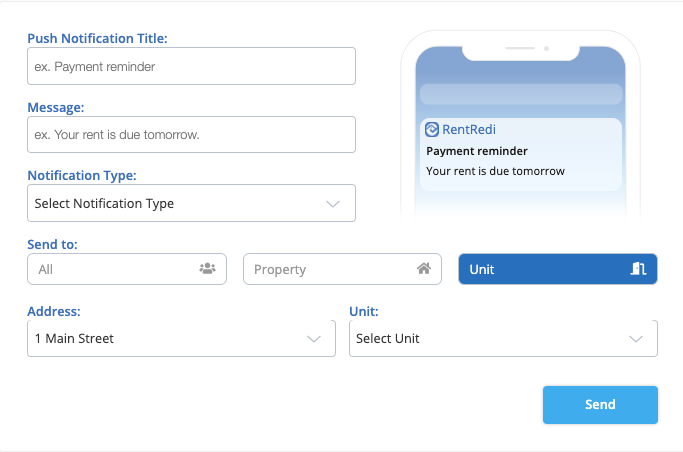
We recently updated our notifications dashboard, so you can see a preview of how your notifications will look. You can also send these in-app notifications by unit, by property, or to all tenants.
Importantly, RentRedi’s tenant app is easy for tenants to use. They can prequalify, apply, pay rent, and send maintenance requests. They can also set up auto-pay and schedule recurring rent reminders.
Advantages of Automated Tenant Communication Systems
Automated systems for tenant communication have revolutionized the way property managers and landlords interact with residents, offering a host of tangible benefits that manual methods simply can’t match. One of the most significant advantages is time savings. With automation, routine tasks such as sending rent reminders, maintenance notifications, or community updates can be scheduled in advance and delivered to the right tenants at the right time, without any manual intervention. This not only frees up valuable hours for property managers but also ensures that important messages never fall through the cracks, even when managing a large portfolio of properties.
Increased operational efficiency is another major benefit. Automated communication platforms centralize all messaging in a single dashboard, eliminating the need to juggle multiple channels such as email, phone calls, and texts. Integration with other property management tools, such as accounting or maintenance request systems, further streamlines workflows by synchronizing information and reducing repetitive data entry. For example, when a maintenance request is submitted, automated notifications can keep tenants updated on its status while also alerting maintenance staff, all within the same ecosystem. This seamless coordination minimizes delays and reduces the administrative burden on property management teams.
Improved tenant experience is a direct outcome of reliable and timely communication. Automated systems deliver consistent updates, ensuring tenants are always informed about important matters such as rent due dates, scheduled repairs, or community events. Features like in-app notifications make it easy for tenants to receive and review messages at their convenience, without the risk of missing emails or phone calls. Some platforms even offer self-service options, allowing tenants to access account information, submit requests, or set up recurring reminders on their own. This level of transparency and accessibility fosters trust and satisfaction, as tenants feel valued and well-informed.
Perhaps most importantly, automation helps reduce human error, a common pitfall in manual communication processes. By relying on predefined templates and scheduled messages, property managers can avoid mistakes like sending the wrong information to the wrong tenant or forgetting to communicate critical updates. Automated systems also provide audit trails and delivery reports, offering peace of mind and accountability for both managers and residents.
Implementation Strategies for Communication Solutions
In systematically evaluating current practices and rolling out improvements, property managers and landlords can ensure seamless, efficient, and reliable tenant communication. Below are practical steps to guide your implementation process:
- Audit Existing Communication Processes: Begin by thoroughly reviewing your current communication workflows. Identify which channels are used, how messages are tracked, and where breakdowns or delays most frequently occur. This assessment provides a clear baseline and highlights pain points that need immediate attention.
- Identify Repetitive Messaging Tasks: List all recurring communication tasks such as rent reminders, maintenance updates, and community announcements. Pinpointing these repetitive activities helps you understand where automation or streamlined processes can save the most time and reduce manual effort.
- Engage Stakeholders and Gather Feedback: Consult with team members and tenants to gather their perspectives on communication challenges and preferences. Their feedback will inform your solution design, ensuring it addresses real needs and increases buy-in during later rollout stages.
- Research and Select Appropriate Software: Evaluate available communication platforms based on features such as in-app notifications, tenant segmentation, and integration with property management systems. Choose software that aligns with your operational requirements and supports scalable, multi-channel messaging.
- Plan a Gradual Rollout: Implement the new communication solution in phases, starting with pilot groups or select properties. This allows you to test features, gather feedback, and make adjustments before rolling them out across your entire portfolio, minimizing disruption and resistance.
- Monitor Performance and Continuously Improve: Regularly track key metrics like message delivery rates, response times, and tenant engagement. Use this data to refine your processes, address new challenges, and ensure your communication system evolves alongside your organization’s needs.
Here are the practical steps for implementing communication solutions at scale, including auditing current processes, identifying repetitive tasks, choosing software, and gradual rollout and evaluation. This approach streamlines workflows while also laying the foundation for long-term communication success.
Frequently Asked Questions
Clear and effective communication is key to successful landlord-tenant relationships. Below are answers to common questions about the best ways to communicate, how often to reach out, and how to foster tenant satisfaction through better practices.
What are the most effective methods for communicating with tenants?
The most effective methods include in-app notifications, email, and text messaging. Each offers different advantages, but in-app notifications ensure important messages are delivered directly and promptly within the tenant’s preferred platform.
How often should landlords communicate with tenants?
Regular monthly updates, combined with timely notifications for urgent or important matters, strike a healthy balance. Consistency helps tenants feel informed without overwhelming them with too many messages.
Can better communication improve tenant satisfaction?
Yes. Prompt, transparent, and clear communication helps tenants feel valued and informed, leading to higher satisfaction, greater trust, and a higher likelihood of lease renewals.
What should be included in tenant communications?
Essential information includes rent reminders, maintenance schedules, community updates, and urgent alerts. Keeping messages relevant and concise ensures tenants pay attention and stay engaged.
How can I ensure tenants receive important updates?
Use a combination of in-app notifications and email, and encourage tenants to enable push notifications in their app. This ensures all critical information is seen in a timely manner.
Staying connected and communicating with each other is especially important during this time. RentRedi’s features, like in-app notifications, can make it easier to ensure your tenants are aware of announcements, updates, and rent reminders.